
Summary
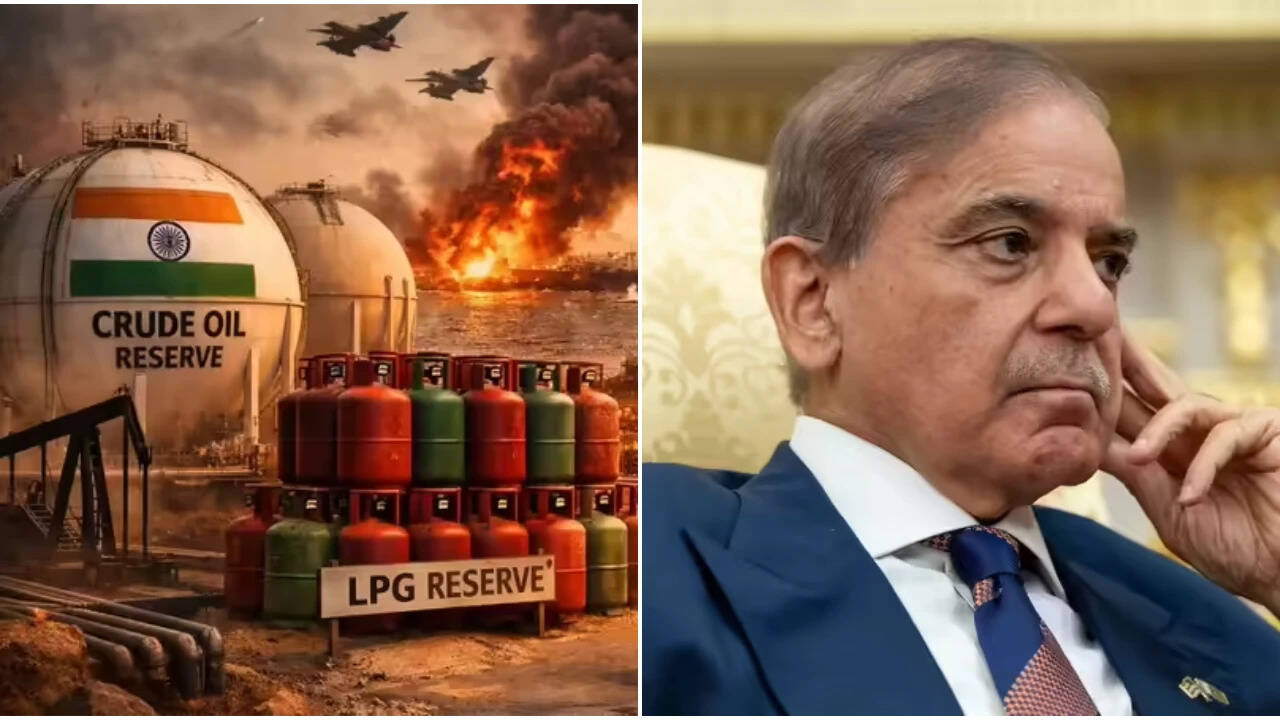
The growing conflict between the United States and Iran has started to cause serious problems for countries in South Asia. India is facing rising energy costs and concerns over the safety of its citizens working in the Middle East. At the same time, Pakistan has been forced to announce emergency measures to handle the economic pressure caused by the tension. These developments show how quickly a distant war can affect the daily lives and finances of people in other regions.
Main Impact
The biggest impact of the US-Iran tension is being felt in the global oil market. Since India imports a large majority of its crude oil, any increase in prices leads to higher costs for petrol and diesel at home. This usually causes the price of food and other goods to rise as transport becomes more expensive. For Pakistan, the impact is even more severe because the country is already dealing with a fragile economy. The threat of war makes it harder for these nations to maintain steady growth and keep prices low for their citizens.
Key Details
What Happened
Recent military actions and threats between the United States and Iran have created a sense of fear in the Middle East. This region is vital because it sits on major trade routes and holds a large portion of the world's oil supply. When fighting breaks out or ships are threatened, the global supply chain slows down. India and Pakistan, which both rely on this region for energy and trade, are now seeing the direct results of this instability. Governments are now working quickly to find ways to protect their markets from these sudden changes.
Important Numbers and Facts
Oil prices have seen a sharp increase, often jumping by several dollars per barrel in a single day when news of the conflict breaks. India has over 8 million citizens living and working in the Middle East. These workers send billions of dollars back home every year, which is a huge part of India's economy. If a full-scale war happens, these workers might have to return home, which would hurt the economy and create a massive job crisis. In Pakistan, the government is looking at cutting energy use by 20% to save money on expensive fuel imports.
Background and Context
The relationship between the United States and Iran has been difficult for many years. However, recent events have pushed both sides closer to a larger fight. The Middle East is home to the Strait of Hormuz, a narrow waterway where a huge amount of the world's oil passes through every day. If this path is blocked or becomes too dangerous for ships, the entire world feels the pain. For India and Pakistan, the Middle East is not just a source of oil; it is also a major partner for trade and a place where many of their people find work. This is why any trouble there becomes a local problem for South Asia very quickly.
Public or Industry Reaction
Business leaders in India have expressed worry about the rising cost of shipping. Insurance companies are charging more to cover ships traveling through the Gulf, which adds to the final price of products. In Pakistan, the public is concerned about further inflation. The government in Islamabad has asked people to save energy and has limited the hours that markets can stay open to reduce electricity use. Meanwhile, the Indian government is keeping a close watch on the situation and has told its citizens in the region to stay alert and follow safety rules.
What This Means Going Forward
Moving forward, India will likely try to buy oil from other parts of the world to reduce its dependence on the Middle East. There will also be a bigger push for green energy, like solar and wind power, to avoid being hurt by oil price spikes. Pakistan will need to focus on stabilizing its currency and finding ways to pay for its imports without going deeper into debt. Both countries will also need to improve their plans for bringing citizens home safely if the fighting gets worse. Diplomacy will be the main tool used to try and calm the situation before it causes more economic damage.
Final Take
The tension between the US and Iran is a reminder of how connected the world is today. A conflict in one region can lead to higher grocery bills and fuel prices thousands of miles away. For India and Pakistan, the focus remains on protecting their economies and their people from a situation they cannot control. Staying prepared and finding new ways to get energy will be the best way for these nations to survive this period of global uncertainty.
Frequently Asked Questions
Why does the US-Iran war affect oil prices in India?
India buys most of its oil from the Middle East. When there is a war or tension in that area, it becomes harder and more expensive to get oil out, which makes the price go up for everyone.
What are the "crisis measures" Pakistan is taking?
Pakistan is trying to save money and fuel by asking businesses to close earlier, encouraging people to use less electricity, and limiting the amount of expensive fuel the country buys from abroad.
Are Indian workers in the Middle East in danger?
While most workers are currently safe, the government is worried that a larger war could put them at risk. There are plans in place to help them if they need to leave the region quickly.



