Summary
Tensions between the United States and Iran have reached a dangerous new level following a series of military actions at sea. Iran is now threatening to strike back after the U.S. military attacked a ship flying the Iranian flag. This conflict has also disrupted global trade, with a French cargo ship coming under fire in the Strait of Hormuz. Because of these events, planned peace talks in Pakistan have been canceled, making the hope for a quick resolution very slim.
Main Impact
The biggest impact of these events is the total breakdown of the recent ceasefire. Iran has officially accused the United States of violating the agreement, which was supposed to stop the fighting. By attacking an Iranian ship and maintaining a naval blockade, the U.S. has signaled a much tougher stance. This has led Iran to pull out of diplomatic talks, meaning the risk of a larger, more direct war is now much higher. Shipping routes that carry a large portion of the world's oil are now unsafe, which could cause energy prices to rise globally.
Key Details
What Happened
The situation escalated quickly over the weekend. First, the United States military targeted and attacked a vessel carrying the Iranian flag. Following this, President Donald Trump confirmed that American forces stopped another Iranian ship that was trying to get past a naval blockade. In a separate but related incident, a French cargo ship owned by the company CMA CGM was shot at while traveling through the Strait of Hormuz. While no one was hurt in the attack on the French ship, the vessel was forced to turn around and leave the area for safety.
Important Numbers and Facts
The conflict is centered around the Strait of Hormuz, a narrow waterway that is vital for global trade. Iran has stated it will not participate in any negotiations as long as the U.S. naval blockade remains in place. A high-level meeting was supposed to start on Monday in Islamabad, Pakistan. A U.S. team, which may have included Jared Kushner and Steve Witkoff, was expected to attend. However, Iran has now refused to send its representatives, effectively ending this round of diplomacy before it could even begin.
Background and Context
To understand why this is happening, it is important to know about the naval blockade. The United States has been using its navy to stop certain ships from entering or leaving Iranian waters. The U.S. says this is necessary to stop the flow of weapons and illegal goods. Iran, however, sees this as an act of war and a move that destroys its economy. The Strait of Hormuz is the only way for many countries to move oil from the Middle East to the rest of the world. When there is fighting in this small area, the entire world feels the effects through higher gas prices and shipping delays.
Public or Industry Reaction
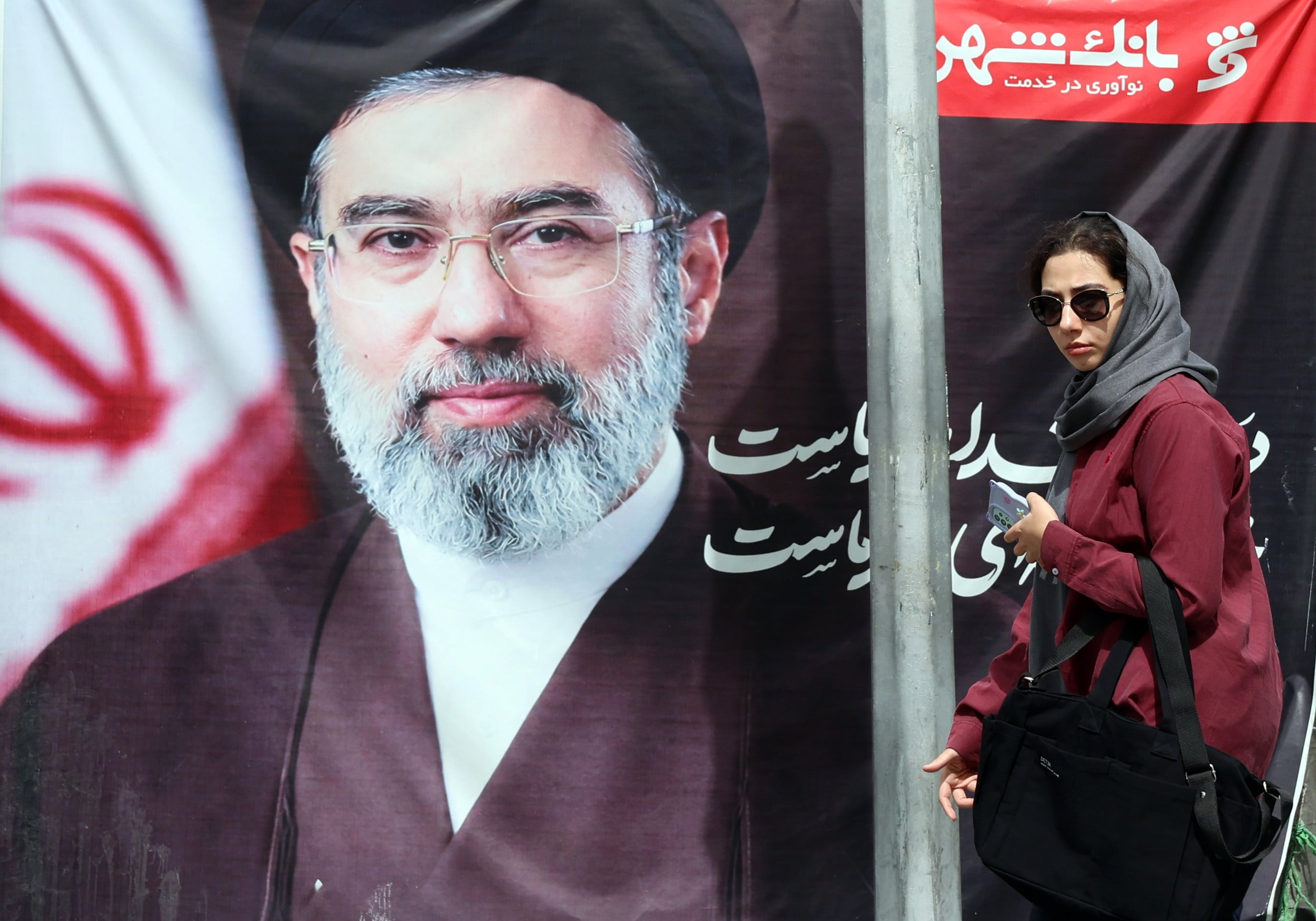
The shipping industry is deeply worried about these developments. CMA CGM, the company that owns the French ship that was attacked, confirmed that their vessel had to retreat after being fired upon. This has caused other shipping companies to reconsider using the route. Meanwhile, the Iranian government has been very vocal, using state media to promise "consequences" for the U.S. actions. In the United States, the government remains firm, with President Trump highlighting the success of the military in enforcing the blockade.
What This Means Going Forward
The immediate future looks uncertain and dangerous. With the peace talks in Islamabad canceled, there is no clear path to a peaceful solution. We can expect to see more military presence in the waters near Iran. If Iran follows through on its threats of revenge, we could see attacks on U.S. bases or more commercial ships. The main thing to watch will be whether other countries try to step in to fix the ceasefire or if the fighting spreads to other parts of the region. For now, the "wait and see" approach to diplomacy has failed.
Final Take
The move from words to direct military action at sea marks a dark turn in this conflict. When cargo ships from neutral countries like France are caught in the crossfire, it shows that the situation is no longer just between two nations. Without a way for both sides to talk, the chance of a peaceful outcome is fading fast.
Frequently Asked Questions
Why did Iran cancel the peace talks?
Iran refused to attend the talks in Pakistan because of the ongoing U.S. naval blockade. They stated they would not negotiate as long as their ships were being stopped and attacked at sea.
Was anyone hurt in the attack on the French ship?
No, the shipping company CMA CGM reported that there were no victims in the shooting incident. However, the ship had to turn back and cancel its journey through the Strait of Hormuz.
What is a naval blockade?
A naval blockade is when a country uses its warships to stop ships from entering or leaving a specific area or port. In this case, the U.S. is using its navy to control the waters around Iran.