Summary
A new two-week ceasefire has been reached between the United States and Iran, but the terms of the deal are already causing confusion. U.S. President Donald Trump announced that Iran must stop all uranium enrichment and remove its nuclear materials from the country. However, Iranian officials claim the agreement actually allows them to continue some of their nuclear work. While this diplomatic effort is moving forward, Israel has launched a massive military strike against Lebanon, stating that the ceasefire does not apply to that region.
Main Impact
The most immediate impact of these events is the deep uncertainty surrounding the peace process. While a ceasefire usually means a pause in fighting, the reality on the ground is different. The heavy bombing in Lebanon shows that the conflict is still spreading in some areas. At the same time, the disagreement over nuclear rules suggests that the U.S. and Iran are not yet on the same page. If these two nations cannot agree on what the ceasefire actually means, the peace may not last very long.
Key Details
What Happened
President Trump spoke about the new agreement following a period of intense conflict. He stated that the U.S. would work to remove nuclear materials from Iranian facilities that were previously hit by air strikes in June. Trump is pushing a 15-point plan as the only way to move forward. On the other side, Iran is telling its people that the U.S. has given in and will let them keep their nuclear program. This creates a major contradiction that could lead to more fighting if it is not cleared up quickly.
Important Numbers and Facts
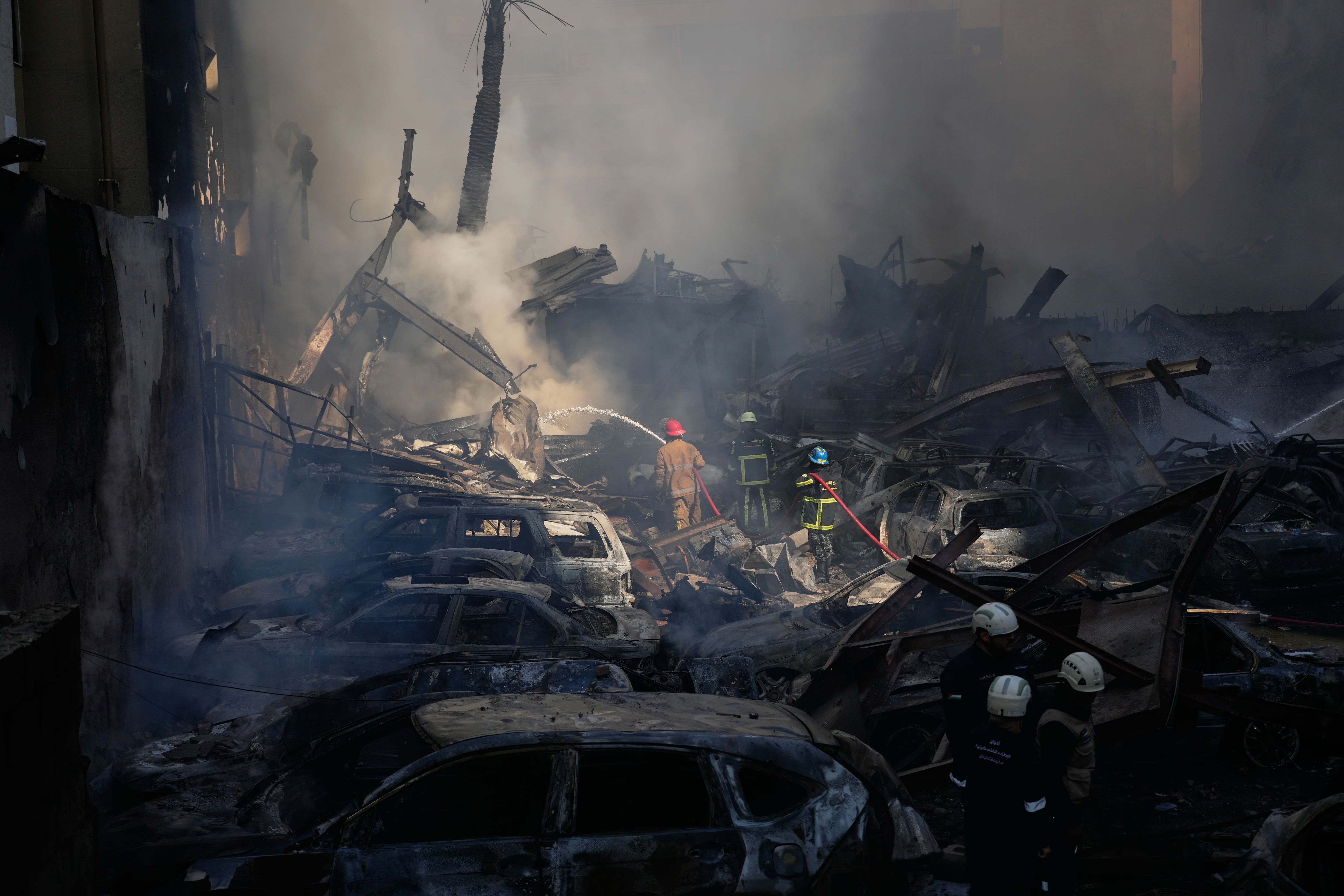
The military action in Lebanon was one of the largest seen in recent years. Israel dropped 160 bombs in just 10 minutes. This rapid attack caused a high number of casualties, with Lebanese officials reporting dozens of deaths and hundreds of injuries. In the Persian Gulf, the Strait of Hormuz is starting to see ships move again. This is a vital water path for the world’s oil supply. To keep these ships safe, the European Union, Canada, and the United Kingdom have promised to send help and monitor the waters.
Background and Context
To understand why this matters, it is important to know about uranium enrichment. Uranium is a metal that can be used to make electricity, but if it is processed a certain way, it can also be used to make nuclear bombs. The U.S. and Israel want to make sure Iran never gets a nuclear weapon. Iran says its program is only for peaceful reasons, like power and medicine. This argument has been going on for many years and has led to several wars and economic punishments called sanctions.
The Strait of Hormuz is another key part of this story. It is a very narrow passage of water that connects oil-producing countries to the rest of the world. When there is a war in this area, oil prices usually go up, which makes gas and goods more expensive for everyone. Opening this path back up is a major goal for the global economy.
Public or Industry Reaction
The reaction to the ceasefire has been mixed. In Tehran, the government is celebrating. They are calling the truce a "victory" and saying their enemies are weak. They want their citizens to believe that they won the conflict. Meanwhile, other countries in the region, like Kuwait and the United Arab Emirates, are worried. They have reported seeing new drone and missile attacks even after the ceasefire was supposed to start. This makes many people doubt if the "truce" is actually being followed by all groups involved.
What This Means Going Forward
The next two weeks will be a critical test for the Middle East. If the 15-point plan proposed by the U.S. is accepted, it could lead to a more permanent peace. However, the ongoing violence in Lebanon and the reported attacks in Kuwait show that many groups are still fighting. The international community will be watching the Strait of Hormuz closely. If ships can pass through without being attacked, it will be a sign that things are getting better. If the attacks continue, the U.S. and its allies may feel forced to start military operations again.
Final Take
The world is seeing a strange mix of diplomacy and violence. While leaders talk about peace and nuclear rules, bombs are still falling in Lebanon. The success of this ceasefire depends on whether the U.S. and Iran can agree on a single set of facts. Without a clear and shared understanding of the rules, this two-week pause might just be a short break before a much larger conflict begins.
Frequently Asked Questions
What is uranium enrichment?
It is a process that makes uranium more powerful. It can be used to create fuel for nuclear power plants or, at very high levels, to build nuclear weapons.
Why is the Strait of Hormuz important?
It is one of the most important shipping lanes in the world. A large portion of the world's oil passes through this narrow area, so keeping it open is vital for global energy prices.
Is the war over?
No. While there is a two-week ceasefire between the U.S. and Iran, fighting is still happening in Lebanon, and there are reports of drone attacks in other nearby countries.