Summary
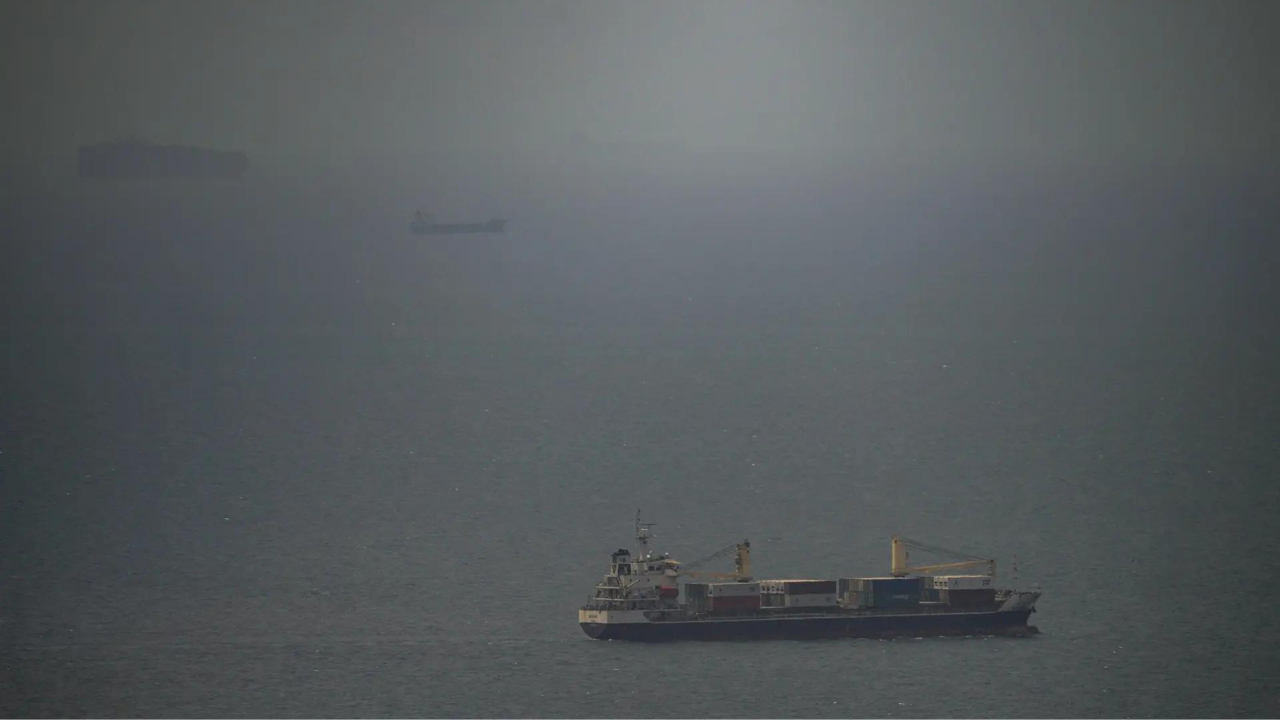
United States military forces recently stopped three Iranian oil tankers in the waters of Asia. These ships were traveling through busy shipping paths near India, Malaysia, and Sri Lanka. The US military redirected the tankers away from their planned routes as part of a larger effort to stop Iran from selling oil. This move is a major step in a maritime blockade that aims to cut off Iran's main source of money. It shows that the US is taking a much stronger stand to control trade in the region.
Main Impact
The most direct impact of this action is the disruption of the global energy trade. By stopping these tankers, the US is preventing millions of barrels of oil from reaching buyers. This can cause oil prices to change quickly because the supply of energy is suddenly lower. For the countries involved, this creates a lot of tension. India and Malaysia are key areas for global shipping, and having military actions take place so close to their shores makes the waters feel less safe for other commercial ships.
Furthermore, this blockade puts a heavy financial strain on Iran. Since oil is the biggest part of Iran's economy, losing these shipments means the country loses a lot of money. This action also sends a message to other nations that the US is willing to use its navy to enforce trade rules, even far away from American territory. It makes the job of shipping companies much harder as they now have to worry about their routes being blocked or changed by military forces.
Key Details
What Happened
The US Central Command, which is the part of the US military that looks after the Middle East and parts of Asia, spotted the Iranian tankers. The tankers were using well-known paths that many cargo ships use every day. US forces moved in and told the ships they could not continue. Instead of letting them go to their destination, the US forces made the tankers turn around and leave the area. This happened in several locations, including the Indian Ocean and the waters near the Malacca Strait, which is one of the most important shipping lanes in the world.
Important Numbers and Facts
At least three large oil tankers were involved in this specific event. These ships are designed to carry huge amounts of crude oil across the ocean. The operation took place around late April 2026. This is not the first time the US has tried to stop Iranian oil, but stopping three ships at once in Asian waters is a significant increase in activity. The areas near Sri Lanka and Malaysia are thousands of miles away from Iran, showing that the US is watching a very large part of the ocean.
Background and Context
To understand why this is happening, we have to look at the long history of disagreement between the US and Iran. For many years, the US has placed sanctions on Iran. Sanctions are special rules that stop a country from trading with others. The US uses these rules because it disagrees with Iran's nuclear program and its actions in the Middle East. The US wants to make it very difficult for Iran to make money so that it will agree to new diplomatic deals.
In the past, these disagreements were mostly handled through talks and meetings. However, those talks have stopped moving forward. Because the diplomatic path is not working, the US is now using its military power to enforce the sanctions. This is called a maritime blockade. It means using ships and planes to stop trade from moving across the sea. The waters near India and Malaysia are vital because they connect the oil-rich Middle East with big buyers in East Asia.
Public or Industry Reaction
The global shipping industry is watching these events with concern. Companies that own cargo ships prefer the oceans to be calm and predictable. When military forces start stopping ships, it creates uncertainty. Some shipping experts worry that this could lead to higher insurance costs for ships traveling through Asian waters. If it becomes more expensive to move goods, the price of everything from fuel to food could go up for regular people.
Other countries in the region have not yet taken a strong side, but they are keeping a close eye on the situation. India and Malaysia rely heavily on peaceful seas for their own trade. If the blockade continues, these countries may have to find ways to protect their own interests while the US and Iran continue their dispute. Some energy analysts believe that if Iran cannot sell its oil, it might try to stop other ships from moving through the Persian Gulf in return.
What This Means Going Forward
Looking ahead, we can expect more tension at sea. The US has shown that it has the tools and the will to stop ships far from home. This means more Iranian tankers might be intercepted in the coming months. If the US continues this blockade, Iran might look for new, secret ways to move its oil, or it might try to push back against the US military. This creates a risk of small accidents turning into bigger fights.
For the average person, the main thing to watch is the price of gas and energy. If a large amount of oil is kept off the market, prices usually go up. Also, the relationship between the US and countries in Asia might change. If the US continues to use Asian waters for these military actions, it will need to keep working closely with local governments to make sure trade for everyone else stays smooth.
Final Take
The interception of these three tankers is a clear sign that the US is moving from words to action. By blocking oil shipments near India and Malaysia, the US is putting maximum pressure on Iran's economy. While this helps the US reach its political goals, it also makes the global shipping world more complicated and risky. The world is now waiting to see how Iran will respond and if this blockade will lead to a new agreement or more trouble on the high seas.
Frequently Asked Questions
Why did the US stop the Iranian oil tankers?
The US stopped the tankers to enforce trade sanctions against Iran. The goal is to stop Iran from making money by selling oil, which the US hopes will force Iran to change its policies.
Where exactly did this happen?
The ships were stopped in Asian waters, specifically in areas near India, Malaysia, and Sri Lanka. These are busy paths that connect the Middle East to the rest of Asia.
Will this make oil prices go up?
It is possible. When oil shipments are blocked, there is less oil available for the world to buy. This lower supply often leads to higher prices at the gas pump.