
Summary
Americans are currently feeling more negative about the economy than they have in over 70 years. While regular families struggle with high costs, Wall Street banks are reporting some of their highest profits ever. This massive gap is being driven by the war in Iran, rising gas prices, and constant changes in the stock market. While the average person feels the weight of the energy crisis, big investors are finding ways to make money from the chaos.
Main Impact
The current situation shows a deep split in how the economy works for different groups of people. This is often called a "K-shaped" economy. In this scenario, the wealthy and large financial companies see their fortunes rise, while lower-income families see their financial health decline. The main impact is a record-breaking stock market that does not reflect the daily struggles of most citizens. High gas prices are acting like a tax on the poor, while the rich benefit from stock prices hitting new all-time highs.
Key Details
What Happened
In the same week that consumer confidence hit a 74-year low, the S&P 500 index rose above 7,000 for the first time. Major banks like Goldman Sachs and Morgan Stanley reported record-breaking revenue from their trading desks. Other giants, including JPMorgan, Bank of America, and Citigroup, also saw massive success in stock trading. This happened despite a major war in Iran that has disrupted global oil supplies and created a significant energy crisis.
Important Numbers and Facts
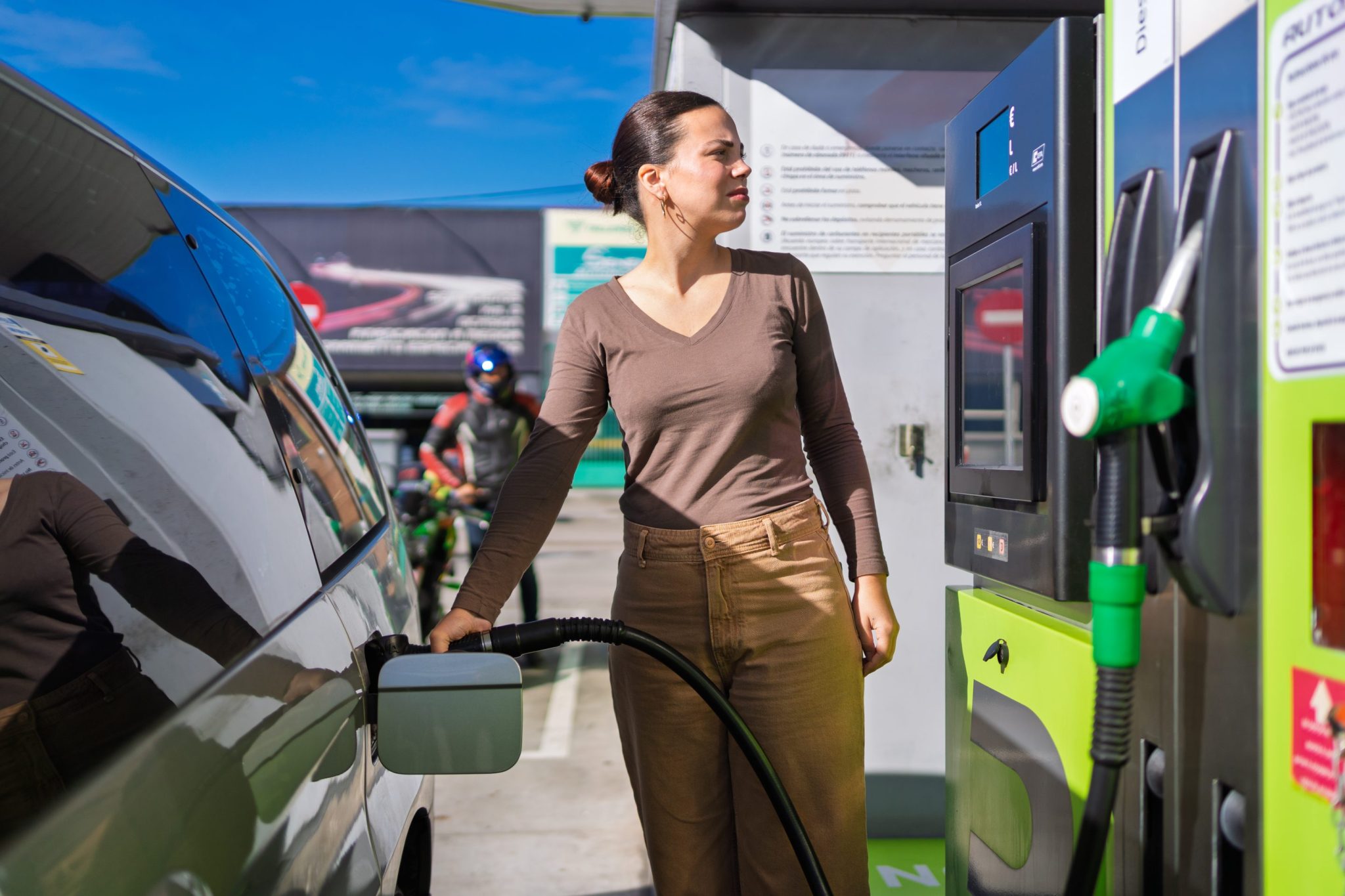
The numbers tell a story of two different worlds. The five largest banks in the country are on track to make over $40 billion in trading revenue for the first quarter alone. This is about 13% higher than last year. On the other side, the national average for gas has reached $4.16 per gallon. Consumer sentiment, which measures how people feel about their money, dropped to 47.6. This is the lowest number ever recorded by the University of Michigan index. Additionally, the wealthiest 10% of households now own about 93% of all stocks, meaning the stock market's success mostly helps a very small group of people.
Background and Context
The primary reason for this economic split is the ongoing conflict in Iran. This war has blocked the Strait of Hormuz, which is one of the most important paths for oil in the world. Because of this, energy prices have spiked, making it more expensive for people to drive to work or heat their homes. In the past, high levels of uncertainty usually made the stock market go down. However, Wall Street banks make money whenever there is "volatility." Volatility is a word used to describe when prices move up and down very quickly. When prices are moving, investors trade more often, and banks collect fees on every one of those trades.
Public or Industry Reaction
Many people on social media are frustrated and believe the markets are being manipulated. They point to President Trump’s habit of making big announcements that cause the market to swing wildly. Some believe that people close to the administration might be using this information to make profitable trades. Government regulators are already looking into suspicious activity involving oil prices that happened just before major policy announcements. Economists, however, say the reason for the gap is simpler. They explain that the stock market looks at what might happen in the future, while regular people have to deal with the reality of their bills today.
What This Means Going Forward
There are signs that the good times for the stock market might not last forever. Many experts are worried that the American consumer is running out of money. In the past, people had extra savings from the pandemic, but those funds are mostly gone. Goldman Sachs recently lowered its forecast for how much people will spend this year. If regular people stop buying goods and services because they are spending all their money on gas, the companies in the stock market will eventually see their profits drop. This could lead to a sudden correction where the stock market finally catches up to the negative feelings of the public.
Final Take
The stock market is currently disconnected from the lives of everyday Americans. While banks are celebrating record profits, most families are worried about the cost of basic needs. This gap cannot grow forever. Eventually, the reality of high prices and lower spending will impact the big companies on Wall Street. For now, the economy remains a tale of two very different experiences: one of record wealth for investors and one of record struggle for everyone else.
Frequently Asked Questions
Why is the stock market going up if the economy feels bad?
The stock market often goes up when there is a lot of trading activity. Big banks make money from fees when investors buy and sell stocks during times of uncertainty. Also, the stock market is mostly owned by the wealthiest people, who are currently less affected by high gas prices than lower-income families.
How does the war in Iran affect my wallet?
The war has closed off major oil shipping routes. This makes oil more scarce and expensive, which leads to higher gas prices at the pump. When gas prices go up, it also makes it more expensive to transport food and other goods, which can lead to higher prices for almost everything you buy.
What is market volatility?
Volatility refers to how much and how quickly the price of a stock or commodity changes. When there is a lot of news or uncertainty, prices jump up and down frequently. While this is stressful for long-term savers, it creates many opportunities for professional traders and banks to make money.



