
Summary
The United States is currently facing a major challenge to its global power due to an ongoing conflict with Iran. With Iran holding control over the Strait of Hormuz, some experts worry that the U.S. dollar might lose its top spot in the world economy. However, leading financial strategists argue that these fears are mostly talk and that the "petrodollar" is not going away anytime soon. While the situation is serious, the U.S. remains in a much stronger position than previous empires that lost their global influence.
Main Impact
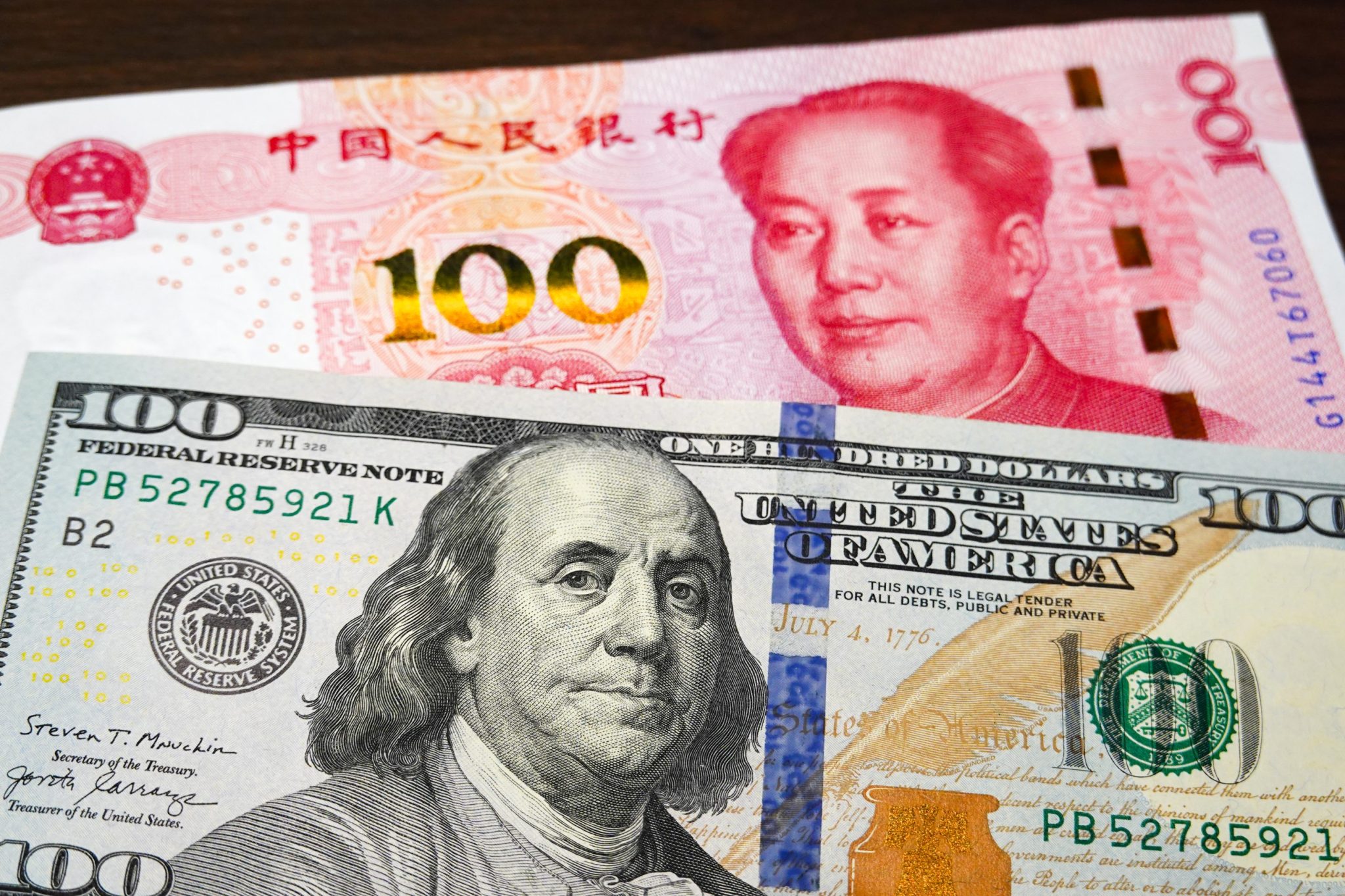
The most immediate effect of this conflict is the pressure on the U.S. dollar's role in the oil trade. For decades, oil has been bought and sold mainly using American dollars, a system often called the petrodollar. Iran is now trying to change this by forcing ships to pay tolls in Chinese yuan or digital currencies. If this trend continues, it could weaken the dollar's influence. However, most experts believe that the U.S. financial system is too big and too well-connected for another currency to take over easily.
Key Details
What Happened
The U.S. and Iran are in a tense standoff that has affected one of the world's most important shipping routes. Iran currently controls the Strait of Hormuz and is only letting a small number of ships pass through. To move their cargo, these ships are being asked to pay in yuan or cryptocurrency instead of U.S. dollars. In response, the U.S. Navy is preparing to clear mines from the water to restore free movement. This struggle has led to a debate about whether the U.S. is still the world's only superpower.
Important Numbers and Facts
Despite the current trouble, the U.S. dollar still dominates global finance. It makes up more than 50% of all foreign currency reserves held by the world's central banks. It is also used for the majority of international bank loans, bond sales, and trade invoices. Strategists point out that even though Iran is asking for cryptocurrency, many of those digital coins are actually tied to the value of the U.S. dollar. This means the dollar is still working behind the scenes even when it is not used directly.
Background and Context
To understand why this matters, you have to look at how global trade works. Most countries keep a lot of U.S. dollars because they need them to buy oil and other goods. This gives the U.S. a lot of political and economic power. Some people compare the current situation to the 1956 Suez Crisis, which marked the end of Britain's time as a top world power. However, experts say the U.S. is different because it is not bankrupt like Britain was after World War II. The U.S. has faced similar doubts before, such as after the Vietnam War, but the American economy proved to be resilient while its rivals struggled.
Public or Industry Reaction
Financial experts are divided on how much danger the dollar is in. Dan Alamariu, a top strategist at Alpine Macro, says people should not believe the "hype" about the U.S. losing its status. He believes that neighboring countries in the Gulf will stay close to Washington because they do not trust China's close relationship with Iran. On the other hand, some Wall Street analysts warn that if U.S. military protection fails to keep shipping lanes safe, other countries might start looking for a new currency to use for trade. For now, the general feeling is that the dollar is still the safest and easiest currency to use.
What This Means Going Forward
The next steps will depend on whether the U.S. can regain control of the shipping routes. If Iran continues to hold the Strait of Hormuz, other oil-producing countries may build more pipelines on land to bypass the water entirely. This would reduce Iran's power over the oil trade. Additionally, the U.S. financial market remains the most open in the world. People can move money in and out of the U.S. very easily, which is something they cannot do as easily with the Chinese yuan. As long as the U.S. keeps its markets free and deep, the dollar will likely remain the leader.
Final Take
While the conflict with Iran is a significant test for American leadership, the U.S. dollar is protected by a massive global network. Everyone uses the dollar because everyone else uses it, and that is a very hard cycle to break. Even if Iran tries to push for a "petroyuan," the world is not yet ready to move away from the stability and freedom that the American financial system provides. The U.S. may be facing a strategic challenge, but its role as the world's financial anchor is still firm.
Frequently Asked Questions
What is the petrodollar?
The petrodollar refers to the global system where crude oil is traded and sold using U.S. dollars. This system helps keep the dollar strong because every country needs dollars to buy energy.
Could the Chinese yuan replace the dollar?
Most experts say this is unlikely right now. While China is a major trade partner, its currency is not as easy to trade or move across borders as the U.S. dollar, and many countries do not yet trust it as a primary reserve.
Why is the Strait of Hormuz so important?
The Strait of Hormuz is a narrow waterway that connects oil producers in the Middle East to the rest of the world. About a fifth of the world's oil passes through this area, making it vital for the global economy.



