
Summary
Anirudh Devgan, the head of the major chip software company Cadence, warns that the United States is making a dangerous financial mistake. He believes the $39 trillion national debt is a sign of poor planning that often leads to the downfall of great companies. While the world is focused on the growth of artificial intelligence, Devgan argues that the real threat is a lack of investment in future technology and research.
Main Impact
Devgan’s warning is significant because his company, Cadence, is worth over $90 billion and provides the software used to design the world’s most advanced chips. He sees the AI boom from the inside and notices a familiar pattern of human error. He argues that the U.S. government is spending too much on interest and old programs while ignoring the research and development needed to stay ahead. This "short-term thinking" is exactly what causes successful businesses to fail when they stop innovating.
Key Details
What Happened
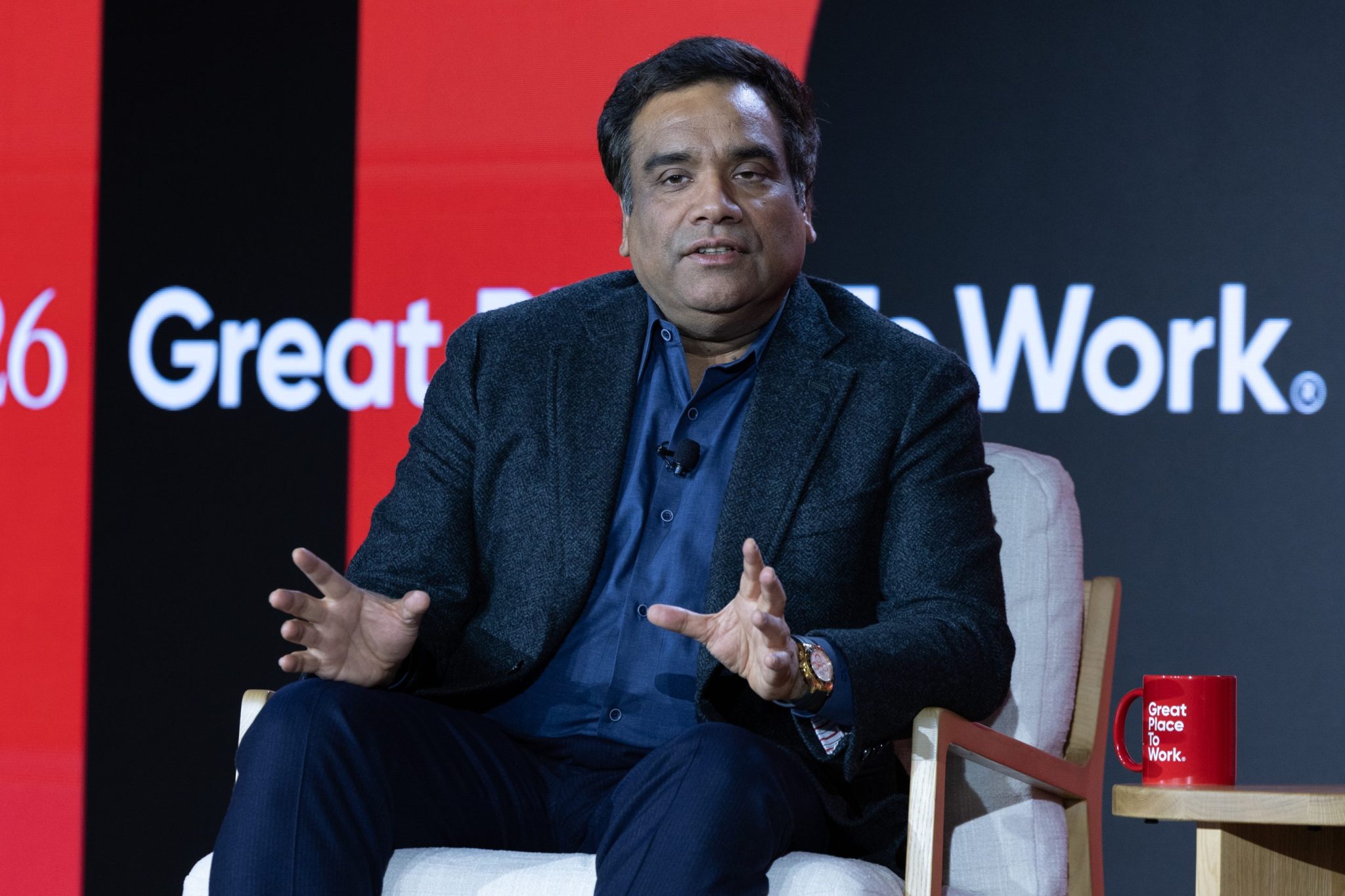
During a recent industry summit, Devgan shared his views on why smart leaders often fail. He noted that while technology moves faster with every generation, human behavior stays the same. People tend to get overconfident and refuse to change until it is too late. He pointed to the U.S. national debt as a primary example of this behavior, comparing the country's financial health to a company's balance sheet.
Important Numbers and Facts
The U.S. national debt has reached $39 trillion, which is nearly double what it was only ten years ago. In 2026 alone, the government is expected to pay over $1 trillion just in interest. Devgan pointed out that federal spending on research and development (R&D) is very low, sitting at about 0.5% to 0.7% of the total economy. In contrast, his company, Cadence, sets aside 20% of its money to invest in future projects. He also noted that the semiconductor market is growing rapidly, expected to hit $1.2 trillion this year.
Background and Context
Cadence is a vital part of the tech world because its software is used to create chips for everything from iPhones to massive AI data centers. Because of this, Devgan has a clear view of how technology cycles work. He has seen the rise of the internet and the era of large mainframe computers. In each case, he observed that people either hyped the technology too much or panicked about its risks, while the basic human elements remained unchanged.
Public or Industry Reaction
There is currently a lot of debate about AI and its effect on the world. Some people worry that AI data centers will use too much electricity and drive up utility bills. Devgan disagrees with this fear. He calls it a "straight-line" mistake, where people assume things will never improve. He believes that better software will make AI ten times more efficient, solving the energy problem without needing brand-new power sources. He also warned about "AI washing," which is when companies blame AI for layoffs that were actually caused by other business problems.
What This Means Going Forward
Devgan believes the next big breakthroughs will happen in self-driving cars, robotics, and medicine. He pointed to Waymo as a major success and suggested that autonomous vehicles could change how cities are built by removing the need for many parking lots. However, he warns that for the U.S. to lead in these areas, it must fix its debt problem. He suggests that leaders should be more transparent with their employees about how AI will change their work, rather than just focusing on profit margins.
Final Take
The biggest risk for any successful organization is becoming comfortable and living off past wins. Devgan’s message is clear: whether you are running a company or a country, you must protect your financial health and keep investing in new ideas. If the U.S. continues to spend on the past instead of the future, it may find itself unable to compete in the rapidly changing world of technology.
Frequently Asked Questions
Why does Anirudh Devgan compare the U.S. debt to a company?
He believes that both a country and a company need a strong balance sheet to survive. If they spend too much on debt and not enough on new ideas, they will eventually fail when the market changes.
What is "AI washing"?
This is a term used when companies claim they are firing workers because of AI efficiency, even if the technology isn't actually ready to do those jobs yet. It is often used as an excuse for general cost-cutting.
Will AI data centers ruin the power grid?
Devgan thinks this is unlikely. He argues that software improvements will make computers much more efficient, allowing them to do more work with less power, which will prevent an energy crisis.



