
Summary
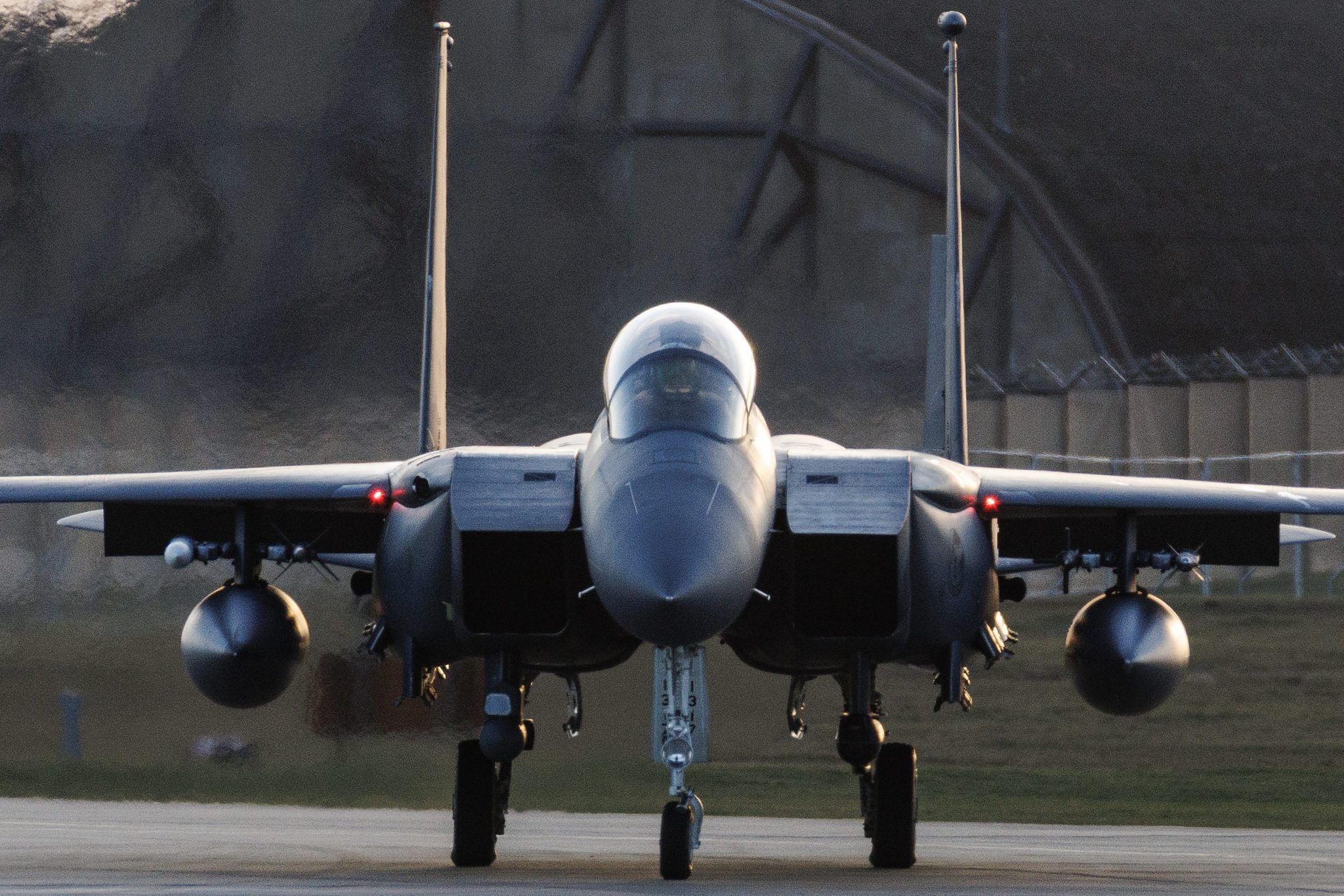
A United States Air Force member has been safely rescued after their fighter jet was shot down over Iran. The airman was part of a two-person crew on an F-15E Strike Eagle that went down on Friday during an intense period of fighting. While one crew member was found shortly after the crash, the second airman was missing for nearly two days in a rugged mountain area. This rescue comes at a very tense time as the conflict between the U.S., Israel, and Iran continues to grow, affecting global trade and energy prices.
Main Impact
The successful rescue of the airman is a major relief for the U.S. military, but the loss of the aircraft itself sends a serious message. It shows that despite heavy bombing runs, Iran still has the tools to hit back at advanced American planes. This event has caused fresh worries about the safety of pilots flying over the region. It also shows that the war is not ending as quickly as some leaders had hoped. The loss of high-tech jets like the F-15E and an A-10 attack plane suggests that the air war is becoming much more dangerous for both sides.
Key Details
What Happened
The F-15E Strike Eagle was shot down on Friday while flying over southwestern Iran. The plane crashed in a province known for its high mountains and difficult terrain called Kohgiluyeh and Boyer-Ahmad. Immediately after the crash, the U.S. military started an urgent search-and-rescue mission. While the first crew member was picked up quickly, the search for the second person was much harder due to the location and the threat of Iranian forces. On Sunday morning, officials confirmed that the second airman had been found and was safe.
Important Numbers and Facts
The current war began on February 28 with joint air strikes by the U.S. and Israel. Since then, the human and economic costs have been very high. More than 1,900 people have died in Iran, and 13 U.S. service members have lost their lives. In Lebanon, the death toll has passed 1,400, and over one million people have had to flee their homes. The conflict has also caused fuel prices to rise and has blocked important paths for ships carrying goods and oil around the world.
Background and Context
This conflict is centered on long-standing tensions between the U.S., Israel, and Iran. The fighting has moved from small strikes to a larger war that involves many countries. A big part of the struggle is over "choke points," which are narrow water paths that ships must use to carry oil and products. The Strait of Hormuz and the Bab el-Mandeb are two of the most important spots in the world for this. If these paths are closed, it can cause the price of gas and food to go up in almost every country. Iran has threatened to close these paths to hurt the economies of the U.S. and its allies.
Public or Industry Reaction
The reaction from leaders has been very strong. President Donald Trump recently stated that the U.S. had badly damaged Iran's military and predicted the war would end very fast. However, after the U.S. lost two planes in one week, critics are questioning if the situation is more difficult than the government is saying. Iran’s military leaders have responded with their own threats, saying they will attack U.S. bases if their own infrastructure is hit. Meanwhile, countries like Pakistan, Turkey, and Egypt are trying to act as peacekeepers. They are working to get both sides to sit down and talk in hopes of stopping the violence before it gets even worse.
What This Means Going Forward
The next few days are critical. There is a deadline set for Monday for Iran to open up the Strait of Hormuz. If this does not happen, there is a risk of even larger air strikes or a ground war. The U.S. is still trying to find out what happened to the crew of an A-10 attack jet that also went down. If more pilots are captured or killed, it will be harder for leaders to choose peace over more fighting. Diplomats in Pakistan are hoping to host talks soon, but both sides are still using very angry language, which makes a deal look difficult to reach.
Final Take
The rescue of the American airman is a rare piece of good news in a very dark week. However, the fact that a top-tier fighter jet was shot down shows that this war is far from over. As the deadline for the Strait of Hormuz approaches, the world is watching to see if the situation will move toward a ceasefire or a much larger and more deadly battle. The safety of the rescued airman is a victory for the search teams, but the overall danger in the region remains at an all-time high.
Frequently Asked Questions
How many U.S. planes have been lost?
At least two U.S. military planes went down recently: an F-15E Strike Eagle and an A-10 attack aircraft. Iran also claims to have hit two helicopters, but that has not been proven yet.
Where was the airman rescued?
The airman was found in a mountainous part of southwestern Iran, specifically in the province of Kohgiluyeh and Boyer-Ahmad, after a two-day search.
What is the Strait of Hormuz?
It is a very narrow and important waterway where a large portion of the world's oil is shipped. Closing it would cause major problems for the global economy and energy supplies.



