
Summary
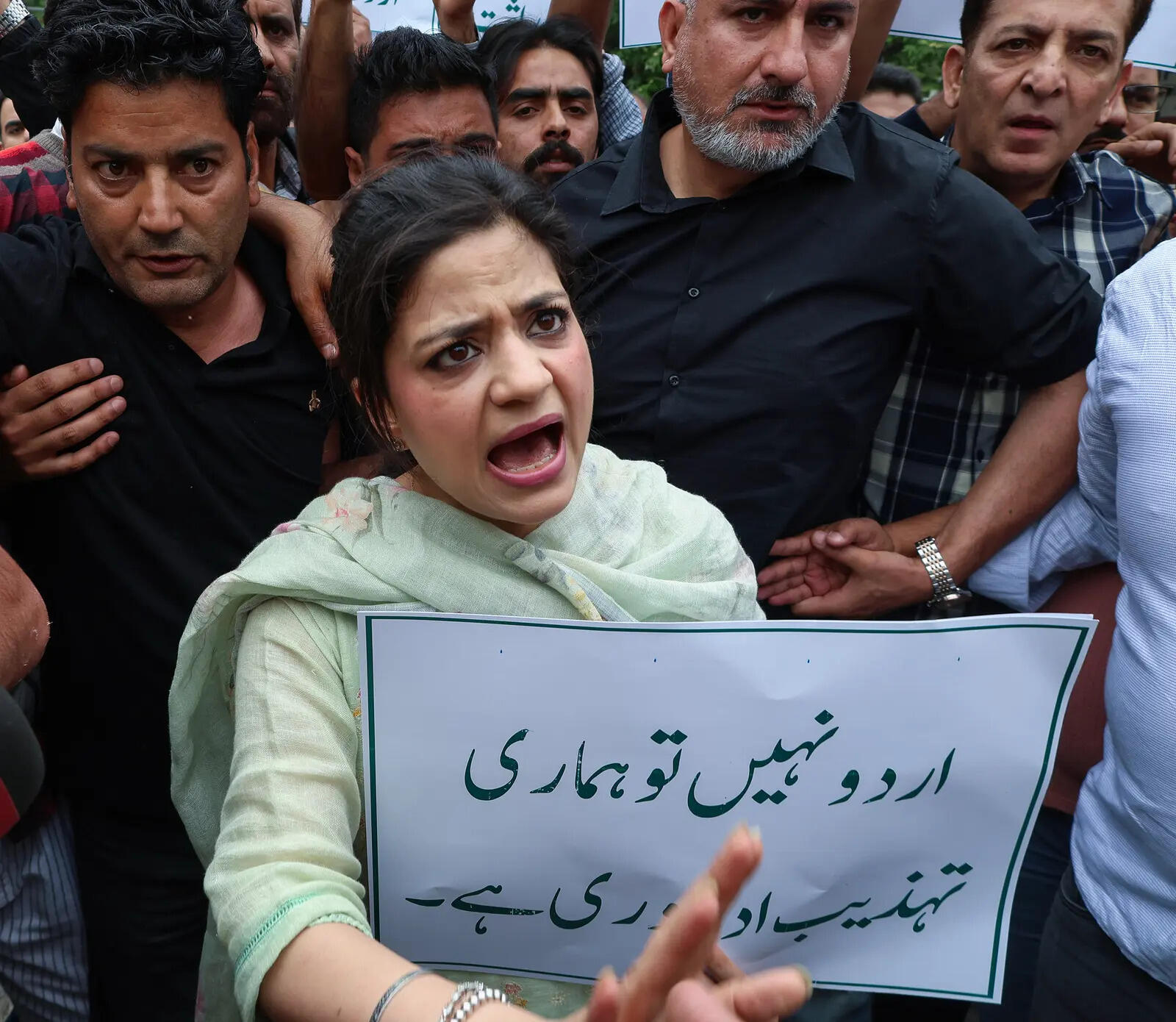
Iltija Mufti, a leader of the People’s Democratic Party (PDP), has voiced strong opposition to a new government policy in Jammu and Kashmir. The current National Conference (NC) government plans to remove Urdu as a mandatory requirement for recruitment into the Revenue Service. Mufti argues that this decision is a direct attack on the cultural and linguistic history of the region. She believes that Urdu is more than just a language; it is a vital link that connects different communities and preserves important historical knowledge.
Main Impact
The decision to remove Urdu as a job requirement will change how the government hires people for the Revenue Department. For over a hundred years, knowing Urdu was necessary for anyone wanting to work in this sector. By removing this rule, the government is opening these positions to people who may not be able to read or write the language. While this might seem like it makes hiring easier, critics say it will create a massive gap in the government's ability to manage land records and serve the local population effectively.
Key Details
What Happened
The National Conference government recently proposed changes to the eligibility rules for the Jammu and Kashmir Revenue Service. Under the old rules, candidates had to pass an Urdu literacy test to qualify for various positions. The new proposal seeks to do away with this requirement. Iltija Mufti, who is the daughter of former Chief Minister Mehbooba Mufti, slammed the move during a public statement. She accused the government of ignoring the importance of the language and vowed that her party would resist the change.
Important Numbers and Facts
The Revenue Department is one of the oldest and most important parts of the local administration. It manages thousands of land documents, many of which date back to the late 1800s. Almost all of these records, including ownership papers and village maps, are written in Urdu. In the past, every "Patwari" (a village-level land record officer) was required to be fluent in the language to ensure that land disputes could be settled and records could be updated accurately. Removing this requirement could affect thousands of future job applications and the management of millions of historical documents.
Background and Context
Urdu has a long and deep history in Jammu and Kashmir. It was made the official language of the state in 1889. Since then, it has served as a common language that brings together people from different regions, such as Jammu, Kashmir, and Ladakh. It is not just a language for one religion; it is a shared heritage used by Hindus, Muslims, and Sikhs alike. In the context of the Revenue Department, Urdu is the primary language of record-keeping. Most of the legal terms used in land dealings are derived from Urdu and Persian. Without a proper understanding of these terms, the entire system of land management could face confusion and errors.
Public or Industry Reaction
The reaction to this move has been divided. The People’s Democratic Party and other local groups see this as a political move to change the identity of the region. They argue that the government should be protecting local traditions rather than removing them. On the other hand, some people believe that the change is necessary to modernize the hiring process. They argue that many young people today study in English-medium schools and may not have a strong command of Urdu. However, experts in land management warn that if new officers cannot read the existing files, the government will have to spend a lot of time and money translating every single document into English or Hindi.
What This Means Going Forward
If the government goes ahead with this plan, it could lead to more political tension in the region. The PDP has already promised to fight the decision, which could lead to protests or legal challenges. From an administrative standpoint, the government will need to find a way to bridge the language gap. This might involve hiring translators or speeding up the process of digitizing land records. However, digitizing millions of old, handwritten Urdu documents is a slow and difficult task. Until that work is finished, the lack of Urdu knowledge among new staff could lead to delays in public services and mistakes in land ownership records.
Final Take
The debate over Urdu in Jammu and Kashmir is about more than just a job requirement. It is a debate about how a society balances its history with its future. While modernizing government rules is often a good thing, doing so at the cost of a region's linguistic heritage can cause long-term problems. The government must find a way to update its hiring process without losing the ability to read and understand its own history. For now, the move remains a highly controversial topic that will likely stay in the news for a long time.
Frequently Asked Questions
Why was Urdu a requirement for these jobs?
Urdu was required because almost all land records and historical documents in Jammu and Kashmir are written in that language. Workers need to read these files to do their jobs correctly.
Who is Iltija Mufti?
Iltija Mufti is a leader in the People’s Democratic Party (PDP) and the daughter of former Chief Minister Mehbooba Mufti. She is a vocal critic of the current government's policies.
What happens to the old land records now?
The records will remain in Urdu. If new staff cannot read them, the government may have to digitize or translate them, which is a very large and expensive project that could take many years to complete.



