
Summary
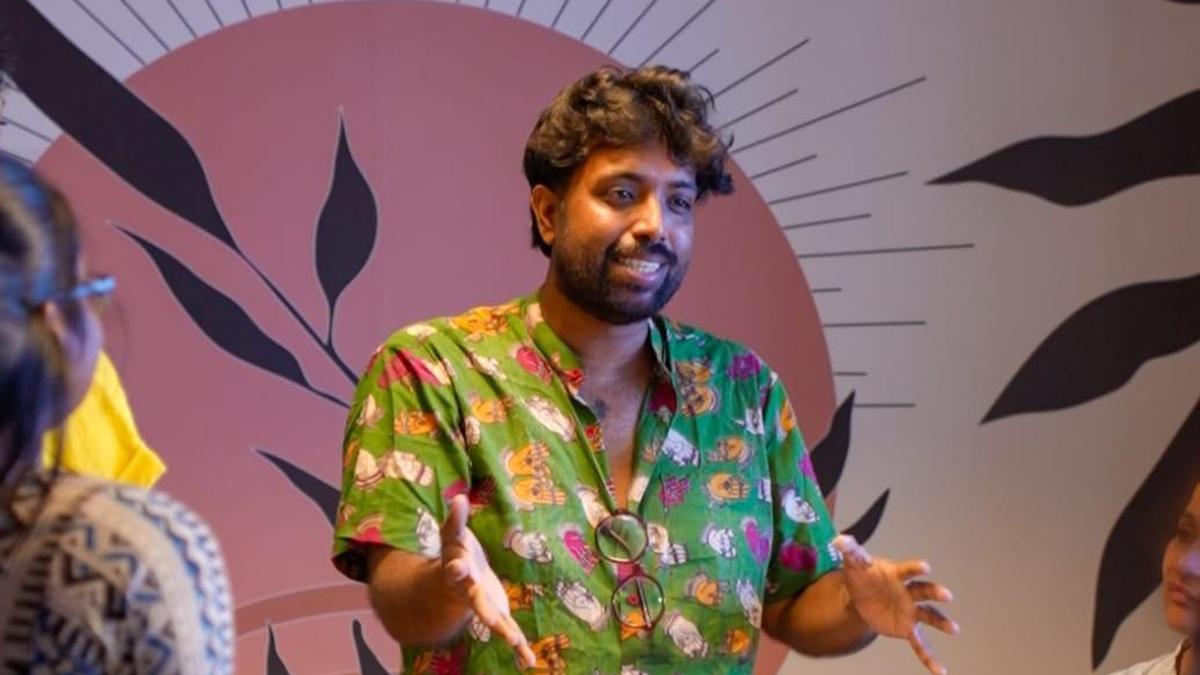
Amal S Pillai, a former IT professional from Kerala, has left the corporate world to lead a movement in sustainable art. He focuses on upcycling textile waste and using natural dyes to create new, beautiful items from discarded materials. By teaching these skills to others, he is helping people across India rethink how they view trash and fashion. His work combines traditional methods with modern design to protect the environment.
Main Impact
The primary impact of Amal’s work is the reduction of textile waste that would otherwise end up in landfills or oceans. By turning old fabric scraps into art and functional products, he shows that "waste" is often just a resource in the wrong place. His transition from a stable tech career to a creative environmental role also serves as an inspiration for others to pursue careers that benefit the planet. Furthermore, his focus on natural dyes helps reduce the chemical pollution caused by the traditional garment industry.
Key Details
What Happened
Amal S Pillai spent years working in the information technology sector before deciding to change his path. He felt a strong pull toward creative work and environmental protection. He began experimenting with leftover fabrics from tailor shops and old clothes from his own home. Instead of using factory-made paints or dyes, he looked for colors in nature. He started using things like onion skins, turmeric, and flowers to color his fabrics. Today, his practice has grown into a full-time career that involves making art, designing products, and running educational workshops.
Important Numbers and Facts
The fashion industry is responsible for nearly 10% of global carbon emissions and produces millions of tons of waste every year. In India alone, thousands of tons of fabric scraps are thrown away daily by small tailoring units and large factories. Amal’s workshops have reached hundreds of participants, ranging from young students to fashion designers. He uses 100% natural ingredients for his dyes, which means the water used in his process does not harm the soil or local water sources. This is a major change from commercial dyeing, which is one of the world's largest sources of water pollution.
Background and Context
For a long time, the world has followed a "fast fashion" model. This means clothes are made quickly, sold cheaply, and thrown away after only a few uses. This habit has created a massive waste problem. In the past, many Indian households practiced a form of upcycling by turning old clothes into floor mats or cleaning rags. However, as people started buying more ready-made clothes, these old habits began to fade. Amal is bringing these ideas back but in a way that appeals to modern tastes. He uses design to make upcycled items look professional and stylish, proving that sustainable living does not have to look messy or unfinished.
Public or Industry Reaction
The reaction to Amal’s work has been very positive. Many people are surprised to learn that beautiful colors can come from kitchen waste like vegetable peels. Local communities in Kerala have shown great interest in his workshops, as they offer a way to save money and learn a new craft. Design schools have also taken notice, inviting him to speak about how the next generation of designers can work without hurting the earth. Environmental groups praise his approach because it focuses on "circularity," which means keeping materials in use for as long as possible instead of throwing them away.
What This Means Going Forward
Looking ahead, Amal’s work could lead to a larger shift in how small businesses operate in India. If more artists and makers adopt upcycling, it could create a new market for "green" products that are unique and handmade. This movement also encourages people to become "prosumers"—people who both consume and produce. By learning how to fix or redye their own clothes, people become less dependent on buying new things. The next step for this movement is to scale up these methods so that larger companies can also find ways to use their waste instead of dumping it.
Final Take
Amal S Pillai shows that a career change can lead to a meaningful life that helps the world. By turning his back on a standard office job, he found a way to solve a real-world problem using creativity and nature. His story reminds us that every piece of fabric has value and that we have the power to change our habits for a cleaner future. Waste does not have to be the end of a product's life; with a little imagination, it can be a new beginning.
Frequently Asked Questions
What is upcycling?
Upcycling is the process of taking old or discarded materials and turning them into something of higher value or quality. It is different from recycling, which often breaks materials down into lower-quality versions.
What are natural dyes made from?
Natural dyes are made from organic sources like plants, fruits, and minerals. Common examples include indigo for blue, turmeric for yellow, and pomegranate skins for earthy tones.
Why is textile waste a problem?
Textile waste is a problem because many modern fabrics contain plastic fibers that do not break down easily. When they are thrown away, they take up space in landfills and can release harmful chemicals into the environment.



