
Summary
United Airlines is considering a massive merger with its rival, American Airlines. This potential deal would create a giant company twice the size of any other airline in the world. While such a move would usually be blocked by the government, the current political environment and rising fuel costs have made it a serious topic of discussion. If the merger happens, it would change how millions of people travel and how much they pay for tickets.
Main Impact
The biggest impact of this deal would be the creation of a dominant force in the sky. A combined United and American Airlines would control a huge portion of the flights in the United States. This would give the new company massive power over ticket prices and flight schedules. While supporters say it would make American aviation stronger against foreign competitors, critics worry it would leave travelers with fewer choices and higher costs.
Key Details
What Happened
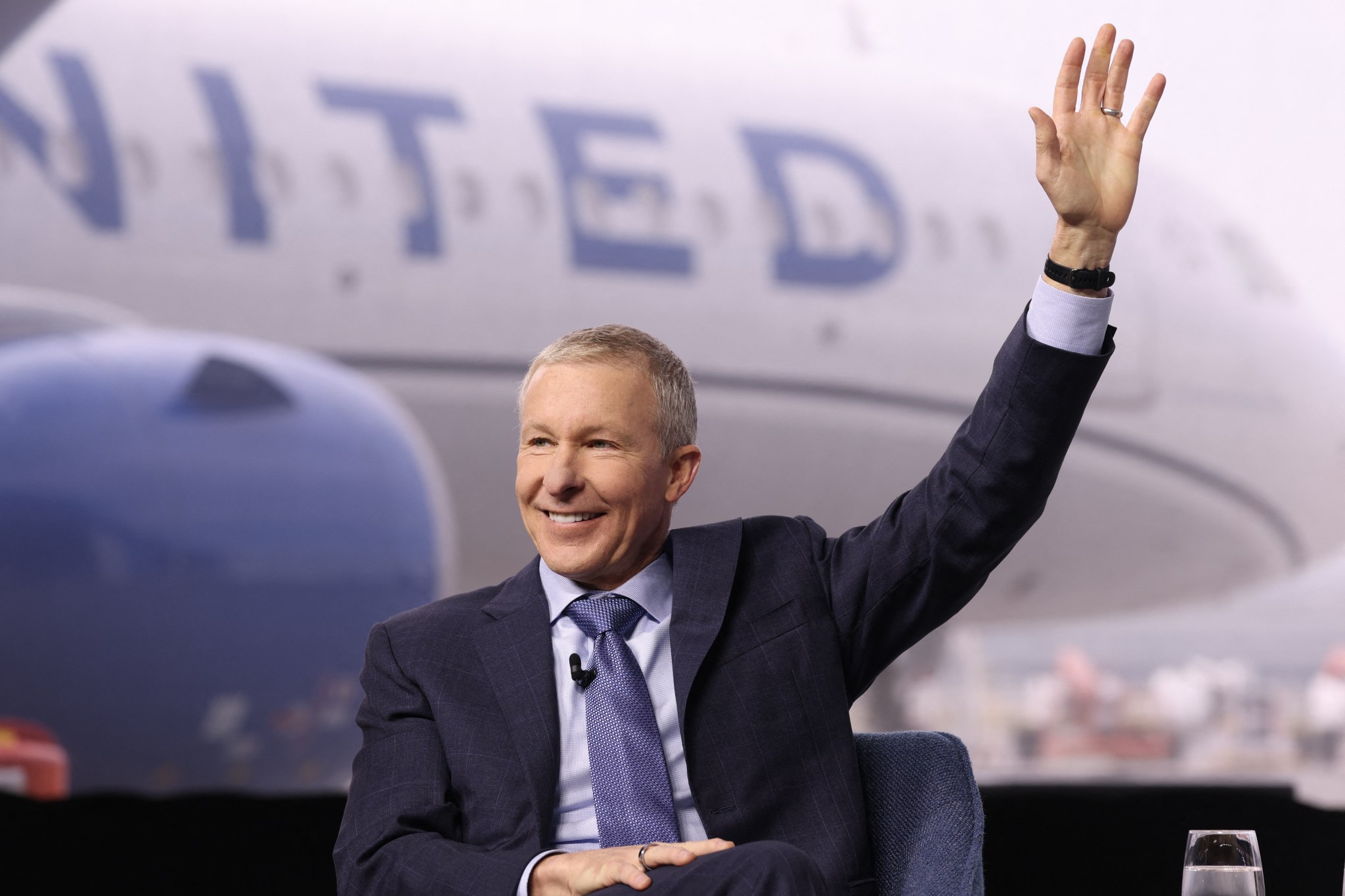
The news of this potential deal came to light following a meeting at the White House in late February. United Airlines CEO Scott Kirby met with President Trump to discuss a large project at Dulles International Airport. During these talks, Kirby suggested that joining United and American Airlines together would be a smart move for the country. He argued that a larger U.S. airline could better compete with international carriers that receive financial help from their own governments.
The meeting included high-level officials, such as the President's chief of staff, Susie Wiles, and Texas Governor Greg Abbott. Both airlines are very important to Texas, as American is based in Fort Worth and United has a major hub in Houston. While the White House has not officially supported the idea yet, the administration has shown a preference for large business deals that change the economy.
Important Numbers and Facts
The scale of this merger is hard to overstate. American Airlines is currently the largest airline in the world by passenger numbers, and United is the fourth largest. Together, they would be twice as large as Delta or Ryanair. In many major U.S. cities, the combined airline would control more than half of all flights. For example, they would hold 70% of the market in Chicago and 86% in Dallas-Fort Worth.
Money is also a major factor. American Airlines is struggling with $37 billion in debt and very low profits. In contrast, United earned $3.5 billion in profit last year. The cost of jet fuel has also doubled recently, jumping from $100 to $200 per barrel. This spike in costs often forces weaker airlines to merge with stronger ones to avoid going out of business.
Background and Context
In the past, the U.S. had many more airlines. Between 2005 and 2016, several mergers reduced the number of major players to just four: American, United, Delta, and Southwest. These four companies now control 80% of all domestic flights. Usually, the government tries to stop these companies from getting any bigger to protect competition. However, the current administration has a different view on business rules than the previous one.
The previous government blocked several airline deals, fearing they would hurt consumers. The current administration has already approved smaller airline takeovers very quickly. This change in policy is why industry experts believe a United-American merger, which once seemed impossible, might actually be considered.
Public or Industry Reaction
The reaction to this news has been mixed. Some industry leaders believe that a "super-carrier" is necessary to help the U.S. win in the global market. They point out that foreign airlines often have an unfair advantage. However, consumer groups and state officials are worried. They fear that if one airline becomes too powerful, it will stop flying to smaller cities and raise prices for everyone else.
Labor unions are also expected to have concerns. Combining two massive groups of pilots, flight attendants, and mechanics is very difficult. There are often long fights over who has more seniority, which can lead to strikes or service problems. So far, the White House has remained neutral, stating they do not have an official opinion on the proposal yet.
What This Means Going Forward
There are still many hurdles before this deal can become a reality. Even if the President likes the idea, the Department of Justice will look closely at how it affects competition. To get approval, the airlines might have to give up some of their gates and landing spots at busy airports. This would allow smaller, low-cost airlines to move in and keep prices from rising too high.
Another factor is the role of famous investors like Carl Icahn. He has been involved with JetBlue, which is also looking for a buyer. If United decides that buying American Airlines is too expensive or too risky because of its debt, it might look at smaller options like JetBlue instead. The next few months will be critical as these companies decide their next moves.
Final Take
The idea of United and American Airlines becoming one company is a bold plan that would rewrite the rules of air travel. While it faces huge financial and legal challenges, the combination of high fuel prices and a government that enjoys big deals makes it a real possibility. Whether it happens or not, the talk of such a merger shows that the airline industry is entering a period of major change.
Frequently Asked Questions
Why do United and American want to merge?
The main reasons are to save money on rising fuel costs and to compete more effectively against foreign airlines that get help from their governments. It would also allow them to control more routes and passengers.
Will this make plane tickets more expensive?
It is possible. When there is less competition between airlines, prices often go up. However, the government might force the airlines to give up some routes to smaller companies to keep prices fair.
Is this merger definitely going to happen?
No, it is currently just a proposal. It still needs to pass many legal tests and get approval from government regulators who worry about monopolies. It would also be very expensive for United to take on American's debt.



