
Summary
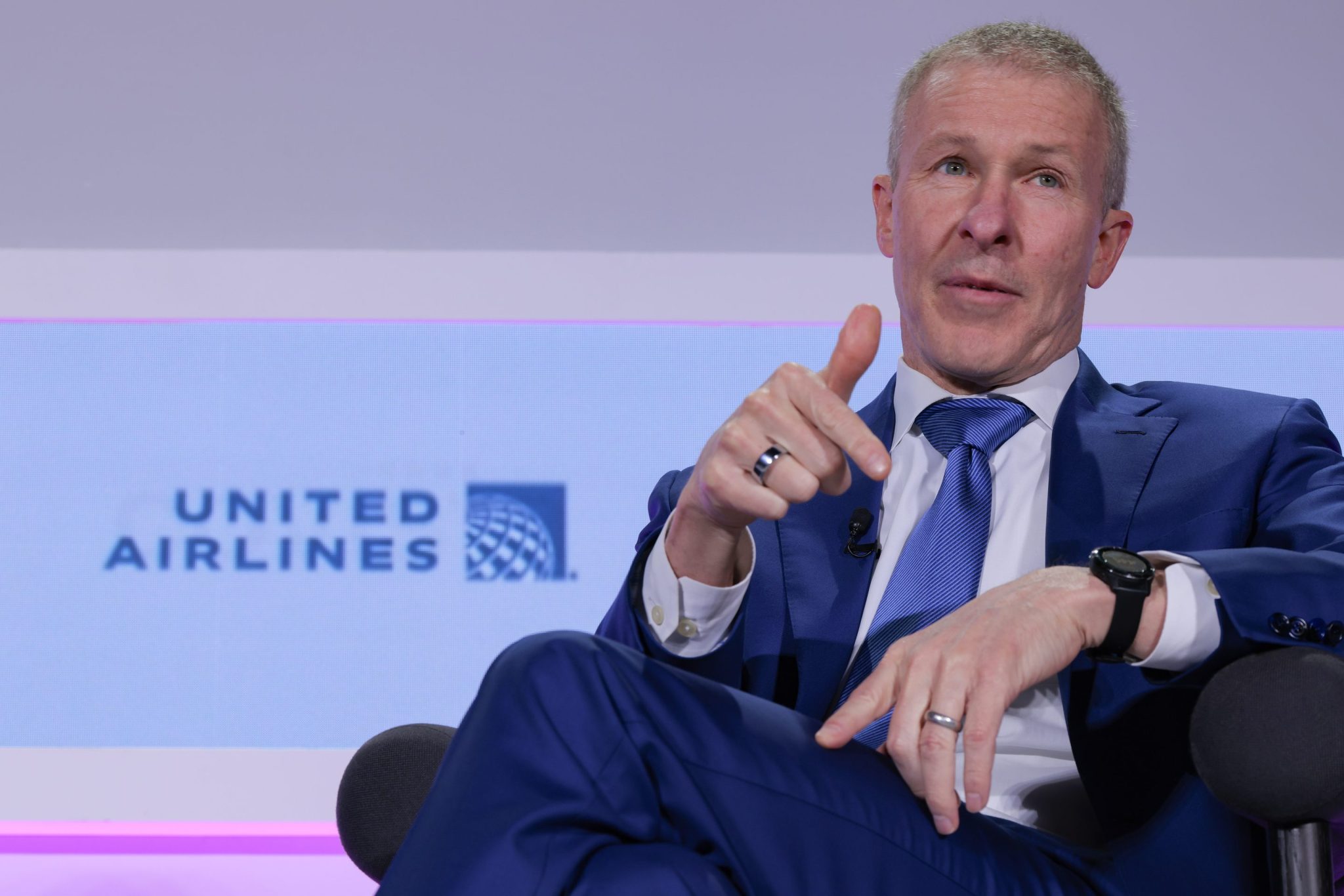
United Airlines is preparing for a major financial challenge as global oil prices continue to climb. The airline is building its future plans around the possibility of oil reaching $175 per barrel and remaining above $100 until at least 2027. This economic pressure is largely driven by the ongoing conflict involving the U.S., Israel, and Iran, which has created the most significant disruption to air travel since the COVID-19 pandemic. While the airline is cutting some flights to save on fuel, it remains committed to its long-term growth and staff.
Main Impact
The primary impact of this crisis is a massive spike in operating costs for the entire aviation industry. Jet fuel is one of the largest expenses for any airline, and prices have doubled in just three weeks. For United Airlines, this could mean an additional $11 billion in annual costs if prices do not drop. This sudden change is forcing the company to rethink its flight schedules and avoid regions where flying has become too expensive or dangerous.
Key Details
What Happened
The conflict in the Middle East has caused two major problems for airlines. First, it has pushed the price of crude oil higher because of supply fears. Second, it has forced planes to fly longer, alternative routes to avoid combat zones. These longer flights burn significantly more fuel, adding to the financial burden. Additionally, the Strait of Hormuz, a vital path for 20% of the world's oil, is currently mostly closed, which keeps prices high.
Important Numbers and Facts
United Airlines spent $11.4 billion on fuel last year. With current price trends, that total could jump to over $20 billion this year. To put this in perspective, the airline’s best year ever saw a profit of $5 billion. While the airline is seeing record-breaking ticket sales and revenue, the rising cost of fuel is threatening to eat away those gains. Currently, Brent crude oil is trading around $112 per barrel, but analysts warn it could hit $200 if the shipping lanes remain blocked.
Background and Context
The airline industry is very sensitive to the price of oil. When oil prices are stable, airlines can plan their budgets and ticket prices months in advance. However, war in the Middle East often leads to "oil shocks," where prices jump suddenly. This makes it difficult for airlines to stay profitable without raising ticket prices for passengers. United is trying to manage this by planning for a "worst-case scenario" where oil stays expensive for several years, rather than hoping for a quick fix.
Public or Industry Reaction
Other major airlines are also taking drastic steps to survive the rising costs. Scandinavian airline SAS has already announced the cancellation of about 1,000 flights. Air France-KLM is considering cutting back on flights to Southeast Asia. The CEO of Air France-KLM noted that if fuel is not available at the destination, planes simply cannot make the return trip. Across the industry, there is a growing fear that if fuel prices stay this high, many routes will no longer be financially possible to fly.
What This Means Going Forward
United Airlines plans to reduce its flight capacity by about 5% in the near term. This means there will be fewer flights during off-peak times, such as late-night "red-eye" trips and flights on Tuesdays, Wednesdays, and Saturdays. The airline is also pausing service to Tel Aviv and Dubai due to the ongoing conflict. However, CEO Scott Kirby stated that the company will not fire employees or cancel orders for new aircraft. The airline expects to return to a full flight schedule by the fall, assuming the situation stabilizes.
Final Take
United Airlines is choosing to be realistic about a difficult global situation. By planning for high oil prices now, the company hopes to avoid the desperate cost-cutting measures that often hurt passengers and employees. While travelers may see fewer flight options on certain days this year, the airline is focused on staying financially healthy so it can continue to expand once the crisis passes. The coming months will be a major test of whether the industry can handle these record-high fuel costs without losing the progress made since the pandemic.
Frequently Asked Questions
Why are oil prices affecting United Airlines so much?
Fuel is one of the biggest costs for an airline. When oil prices double, the cost of running flights increases by billions of dollars, making it hard to stay profitable without changing flight schedules.
Will United Airlines fire employees to save money?
No, the CEO has stated that the airline will avoid furloughs and staff cuts. Instead, they are saving money by reducing the number of flights during slow times of the week.
Are ticket prices going to go up?
While the airline did not announce a direct price hike, the CEO mentioned it is difficult to pass all the fuel costs onto customers. However, fewer available flights often lead to higher demand and higher prices for the remaining seats.



