
Summary
The Bharatiya Janata Party (BJP) has made the Uniform Civil Code (UCC) a central part of its campaign for the 2026 West Bengal elections. Top leaders, including Prime Minister Narendra Modi and Home Minister Amit Shah, are pushing for a single set of laws for all citizens regardless of their religion. While the BJP argues this will ensure equality and protect women, opposition parties claim it is a move to distract voters from economic problems like unemployment and factory closures.
Main Impact
This move has shifted the political focus in West Bengal from local governance to a national ideological debate. By introducing the UCC as a campaign promise, the BJP aims to change how people think about personal laws and social justice. However, this has also increased political tension in a state where religious and social identities are very important. The debate is forcing voters to choose between the BJP’s vision of "one nation, one law" and the Trinamool Congress (TMC) focus on local welfare and jobs.
Key Details
What Happened
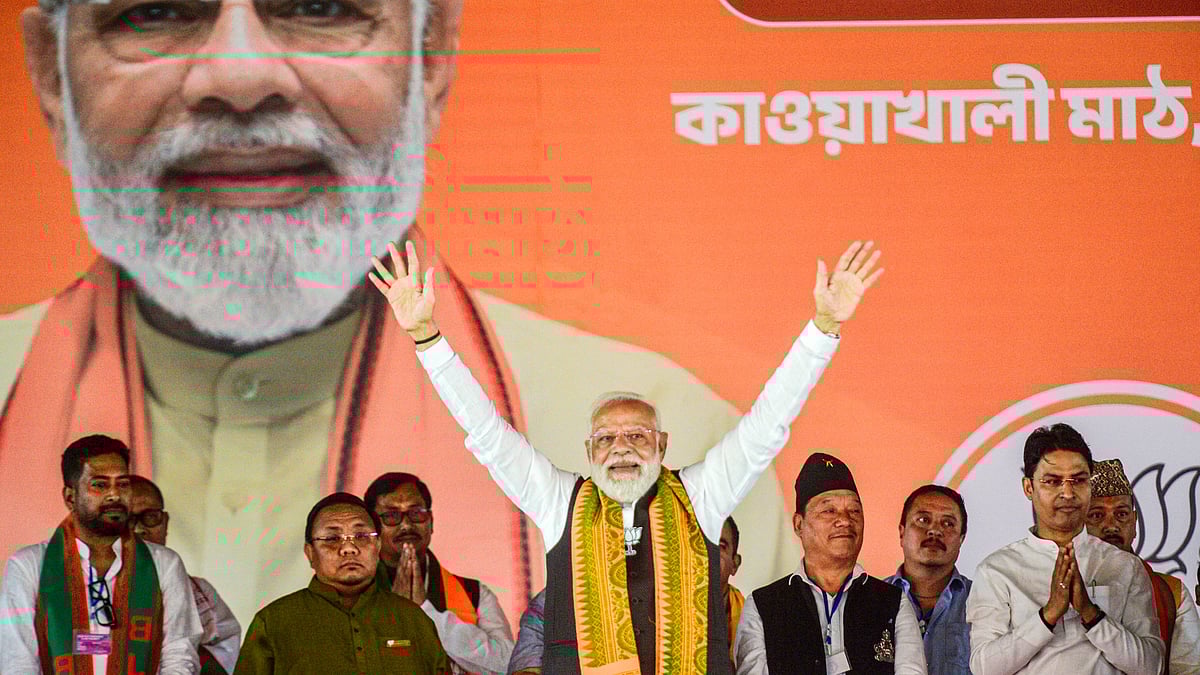
During recent visits to West Bengal, Prime Minister Modi and Amit Shah spoke at large public meetings about the need for a Uniform Civil Code. They pointed to the state of Uttarakhand, which recently started using its own version of the law, as a success story. The BJP leaders argued that current laws for marriage and property are not fair to everyone, especially women. They promised that if they win the 2026 state elections, they will work to bring these changes to Bengal.
Important Numbers and Facts
The debate is happening in a state with a diverse population. About 70 percent of people in West Bengal are Hindu, and about 27 percent are Muslim. This makes any talk of changing religious personal laws very sensitive. The BJP is focusing its efforts on districts like Asansol and Birbhum to gain more support. Meanwhile, the UCC itself is based on Article 44 of the Indian Constitution, which suggests that the country should try to have uniform laws for all citizens. Uttarakhand became the first state to pass such a law in 2025, which included rules like registering live-in relationships and stopping the practice of having more than one wife.
Background and Context
In India, different religious groups currently follow their own sets of rules for personal matters. This includes how people get married, how they get a divorce, and how they pass on property to their children. The Uniform Civil Code would replace these different religious rules with one common law for every person in the country. While the idea has been around for a long time, it has rarely been put into practice because it is very controversial. The BJP believes that having one law for everyone is a sign of a modern and fair country. Critics, however, feel that it interferes with religious freedom and the diverse traditions that make up India.
Public or Industry Reaction
The reaction from opposition parties in Bengal has been very strong. The Trinamool Congress (TMC) says the BJP is only talking about the UCC because they have failed to create jobs. TMC leader Kalyan Banerjee mentioned that people in places like Haldia want work in factories, not new laws about personal life. Chief Minister Mamata Banerjee also warned that the UCC could take away the rights of different communities and force everyone to follow a single path chosen by the government.
The Left parties, led by the CPI(M), also criticized the timing of this push. They pointed out that many mills and factories in Bengal are closing down, and young people are leaving the state to find work elsewhere. They believe the BJP is using the UCC to divide voters along religious lines instead of fixing the economy. Even some legal experts have expressed worry. They say that Bengal has many different customs and that trying to change them all at once could lead to many years of fighting in the courts.
What This Means Going Forward
As the 2026 election gets closer, the UCC will likely stay a major topic of debate. The BJP hopes this will help them win over voters who want to see national reforms. On the other side, the TMC will likely stick to its strategy of offering welfare programs, such as cash help for women and health insurance. The biggest risk is that the focus on the UCC could lead to more arguments between different religious groups. If the BJP wins, they will face the hard task of actually writing and passing the law in a state with very deep-rooted traditions. If they lose, it might show that voters care more about daily economic needs than national legal changes.
Final Take
The push for a Uniform Civil Code in West Bengal is more than just a legal discussion; it is a major political gamble. The BJP is betting that the promise of equality and a national identity will win over the public. At the same time, the opposition is betting that voters are more worried about their bank accounts and job security. Whether the UCC brings "equal justice" or just more political division will depend on how the people of Bengal respond at the ballot box in 2026.
Frequently Asked Questions
What is the Uniform Civil Code (UCC)?
The UCC is a plan to have one set of laws for all citizens regarding personal matters like marriage, divorce, and inheritance, regardless of their religion.
Why is the BJP pushing for it in West Bengal?
The BJP believes the UCC will ensure gender equality and fairness. It is also a key part of their national plan and a major promise for the 2026 state elections.
Why do opposition parties oppose the UCC?
Opposition parties argue that the UCC is being used to divide people by religion and to distract them from economic issues like the lack of jobs and factory closures.

