
Summary
The United Nations General Assembly has officially labeled the transatlantic slave trade as the most serious crime against humanity in history. A new resolution was passed to address the lasting damage caused by slavery and to push for reparatory justice. While the majority of the world supported the move, several powerful Western nations, including the United States and the United Kingdom, pushed back against the plan. This disagreement highlights a major global debate over whether modern countries should pay for the historical actions of their ancestors.
Main Impact
The passing of this resolution marks a major shift in how the international community views the history of slavery. By calling it the "gravest crime against humanity," the UN is putting pressure on former colonial powers to do more than just apologize. The main impact is the creation of a formal path toward reparations, which could involve financial payments or social programs for the descendants of enslaved people. However, the refusal of the US and the UK to support the resolution shows that there is still a deep divide between the nations that suffered from slavery and the nations that grew wealthy because of it.
Key Details
What Happened
The UN General Assembly held a vote on a resolution designed to confront the history of the slave trade. The goal was to move beyond simple historical recognition and toward "reparatory justice." This term refers to the idea that the harm caused by slavery is still felt today and needs to be fixed through specific actions. While 123 countries voted in favor of the resolution, the United States, Israel, and Argentina voted against it. Other major powers, including the United Kingdom and several members of the European Union, chose to abstain, meaning they did not take a side in the vote.
Important Numbers and Facts
The resolution received 123 "yes" votes, showing strong support from many African, Caribbean, and Latin American nations. The opposition from the US and the abstentions from the UK and EU were based on legal concerns. These countries worry that agreeing to the resolution could make them legally responsible for paying billions of dollars in reparations. Ghana was one of the strongest voices in favor of the move, arguing that the world must hold itself accountable for the long-term economic and social problems that slavery created for millions of people.
Background and Context
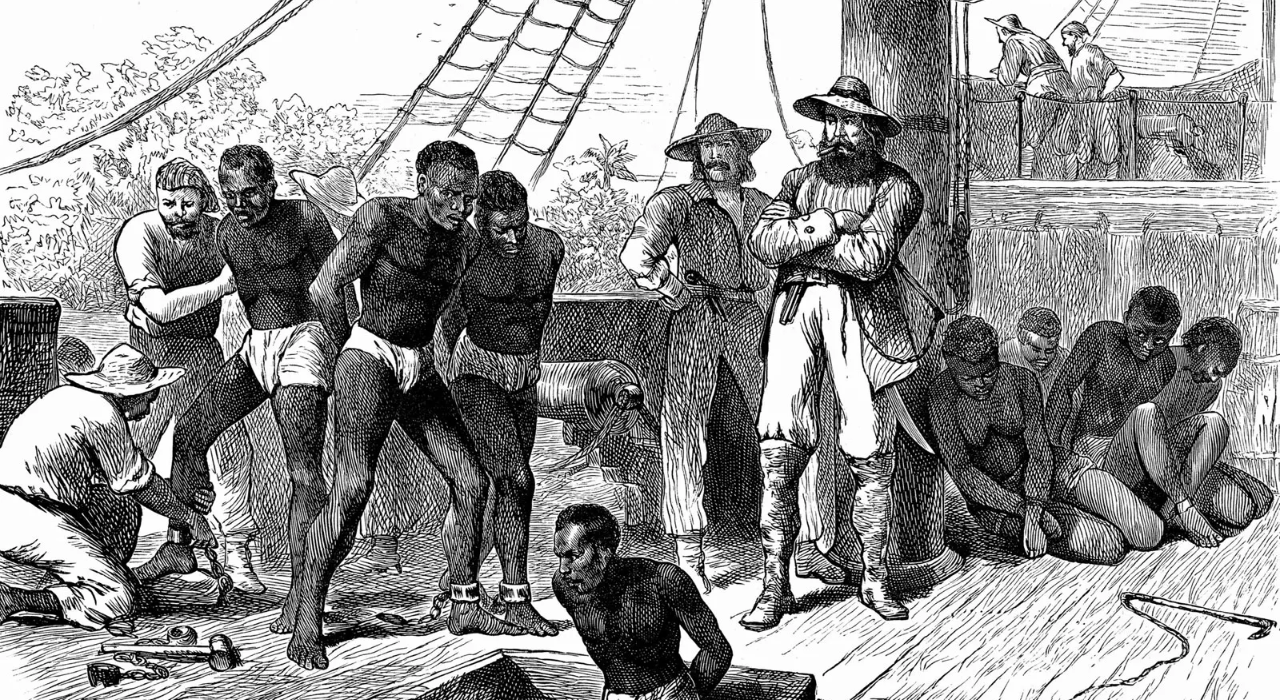
The transatlantic slave trade lasted for hundreds of years and involved the forced kidnapping and transport of millions of Africans to the Americas and Europe. This system was not just a series of individual crimes; it was a massive economic engine that helped build the wealth of many Western nations. Even though slavery ended over a century ago, many experts argue that its effects are still visible today. These effects include the wealth gap between different races and the lack of resources in countries that were once colonized. Reparatory justice is the idea that the countries that benefited from slavery should help fix these modern problems through financial aid, debt relief, or direct payments.
Public or Industry Reaction
The reaction to the UN vote has been split. Many human rights groups and leaders from African nations praised the resolution as a long-overdue step toward justice. They believe that acknowledging the slave trade as a crime against humanity is necessary to heal the wounds of the past. On the other hand, officials in the US and UK have expressed a more cautious view. While they admit that slavery was a terrible part of history, they are hesitant to support any language that creates a legal requirement for reparations. They prefer to focus on current aid programs and educational efforts rather than direct payments for historical wrongs.
What This Means Going Forward
This vote is likely to lead to more legal and political battles in the coming years. Now that the UN has officially labeled the slave trade as a crime against humanity, lawyers and activists may use this language to bring cases to international courts. We can expect to see more pressure on Western governments to negotiate with former colonies about debt cancellation and economic support. However, as long as major powers like the US and UK resist the idea of formal reparations, the process will likely be slow and filled with tension. The debate will move from the UN halls to trade meetings and diplomatic talks between nations.
Final Take
It is easy for nations to say they are sorry for the past, but it is much harder for them to pay for it. The UN resolution shows that the world is ready to call slavery what it truly was—a massive crime. But the pushback from the US and UK proves that the world is still far from agreeing on how to fix the damage. True justice will require more than just words; it will require a difficult conversation about money, power, and the responsibility of modern nations for their history.
Frequently Asked Questions
What are reparations?
Reparations are actions taken to make up for a past wrong. In the case of slavery, this could include cash payments to descendants, investments in communities, or canceling the national debts of countries that were harmed by the slave trade.
Why did the US and UK refuse to support the resolution?
These countries are concerned about the legal language used in the resolution. They worry that if they agree that slavery was a "crime against humanity" in a legal sense, they could be forced by courts to pay massive amounts of money in reparations.
What is the goal of reparatory justice?
The goal is to address the lasting economic and social problems caused by slavery. It aims to provide resources to the people and nations that are still struggling today because of the wealth and labor that was stolen from their ancestors.

