Summary
United States President Donald Trump has announced a temporary extension of the ceasefire with Iran. This decision stops planned military strikes that were set to resume after a previous agreement expired. The move comes after leaders from Pakistan asked for more time to help both sides reach a peace deal. The extension is intended to give the Iranian government a chance to settle internal disagreements and present a single plan for negotiations.
Main Impact
The immediate impact of this decision is the prevention of a new wave of military conflict in the Middle East. By extending the truce, the United States is choosing diplomacy over direct combat, at least for the moment. This pause provides a small window of safety for civilians and military personnel who would have been affected if the fighting had started again this week. However, the situation remains fragile because the U.S. has also paused its travel plans for peace talks until Iran shows it is ready to participate fully.
Key Details
What Happened
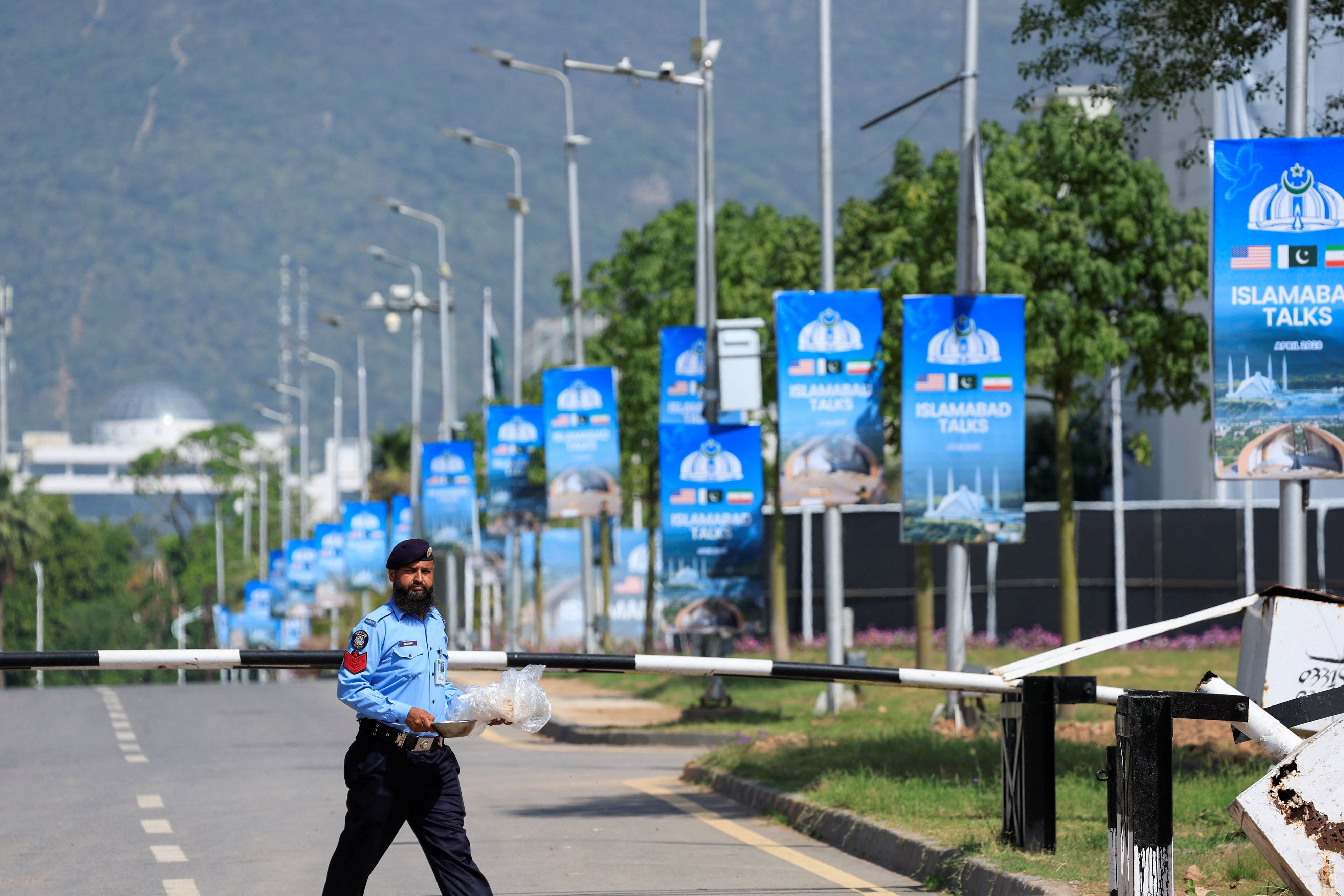
President Trump shared the news through his social media platform, Truth Social. He explained that the Iranian government is currently facing internal divisions, making it hard for them to agree on peace terms. Because of this, Pakistan’s Prime Minister Shehbaz Sharif and Army Chief Asim Munir asked the U.S. to wait. Trump agreed to hold off on attacks until Iran can provide a unified response. Meanwhile, the U.S. has stopped its officials from traveling to Pakistan for scheduled meetings because Iran has not confirmed it will attend. Iran has stated it will not talk until the U.S. stops blocking its sea ports.
Important Numbers and Facts
The original ceasefire between the United States and Iran began on April 7. It was scheduled to end early Wednesday morning at 4:50 AM local time in Pakistan. If the extension had not been granted, military actions could have started immediately after that deadline. Pakistan has been acting as the main host and middleman for these talks. A major sticking point in the negotiations is the U.S. blockade of Iranian ports, which has severely limited Iran's ability to trade and move goods by sea.
Background and Context
The conflict involving the United States, Israel, and Iran has been a major global concern for a long time. Tensions often rise due to disagreements over nuclear programs, regional influence, and military alliances. In this recent period of fighting, the U.S. and Israel have worked closely together against Iranian interests. Pakistan has stepped in as a mediator because it shares a border with Iran and maintains a working relationship with the United States. Mediation means that Pakistan acts as a neutral third party to help the two enemies talk to each other without fighting. The current ceasefire was an attempt to stop the violence and find a long-term solution, but reaching a final agreement has proven to be very difficult.
Public or Industry Reaction
The government of Pakistan has publicly thanked President Trump for his decision to extend the truce. They believe that more time is necessary to prevent a larger war that could hurt the entire region. Within the United States, the reaction is mixed. Some see the extension as a smart way to avoid unnecessary war, while others worry that giving Iran more time allows them to strengthen their military positions. International markets are watching the situation closely, as any sign of continued war usually causes oil prices to go up. For now, the global community is waiting to see if Iran can overcome its internal political struggles to meet the U.S. at the table.
What This Means Going Forward
The next few days will be critical for the future of this conflict. If Iran can form a unified group of representatives, the talks in Pakistan may still happen. However, the demand from Iran to lift the port blockades is a significant hurdle. The United States uses these blockades as a way to pressure Iran, and they may not want to give up that leverage before a deal is signed. If the negotiations fail to start soon, the risk of the ceasefire ending permanently is high. President Trump has already indicated that he is prepared to return to military action if a unified proposal is not presented. This puts a lot of pressure on Iranian leaders to make a decision quickly.
Final Take
This extension is a temporary relief in a very dangerous situation. While it prevents immediate bloodshed, it does not solve the deep problems between the two nations. The success of this pause depends entirely on whether diplomacy can move faster than the threat of renewed violence. For now, the world waits to see if the leaders in Tehran can agree on a path forward or if the drums of war will begin to beat once again.
Frequently Asked Questions
Why did Donald Trump extend the ceasefire?
He extended it because Pakistan asked for more time to mediate and because the Iranian government is currently too divided to agree on a single peace proposal.
What is Iran demanding before they will negotiate?
Iran has stated that they will not sit down for peace talks until the United States lifts the blockade on Iranian sea ports.
What role is Pakistan playing in this conflict?
Pakistan is acting as the mediator and host for the peace talks. They are working to bring the U.S. and Iran together to find a way to end the war through talking instead of fighting.