Summary
President Donald Trump has announced that the United States will extend its ceasefire with Iran. This decision comes just as the previous two-week truce was about to end. The extension is intended to give Iranian leaders more time to agree on a single peace plan. Pakistan played a major role in this decision by asking the U.S. to wait before starting any new military actions. This move prevents an immediate return to heavy fighting, but the situation remains very tense as peace talks face new delays.
Main Impact
The most direct effect of this announcement is the temporary stop of U.S. air strikes and military attacks against Iranian targets. For the people living in the region, this means a few more days or weeks without the immediate threat of bombs. However, the peace process is currently stuck. Because the U.S. has paused its travel plans for officials going to peace talks, the hope for a quick end to the war has faded slightly. The extension shows that while the U.S. is willing to wait, it is also frustrated with the lack of a clear answer from the Iranian government.
Key Details
What Happened
On Tuesday, President Trump shared the news through his social media platform, Truth Social. He explained that the Iranian government is currently "gravely divided," meaning their leaders do not agree on how to move forward. Because of this internal disagreement, Iran has not yet presented a single, clear proposal for peace. Trump noted that he received a specific request from Pakistan’s top leaders, including General Asim Munir and Prime Minister Shehbaz Sharif, to hold off on further attacks. As a result, the U.S. will not resume its military campaign until Iran can speak with one voice.
Important Numbers and Facts
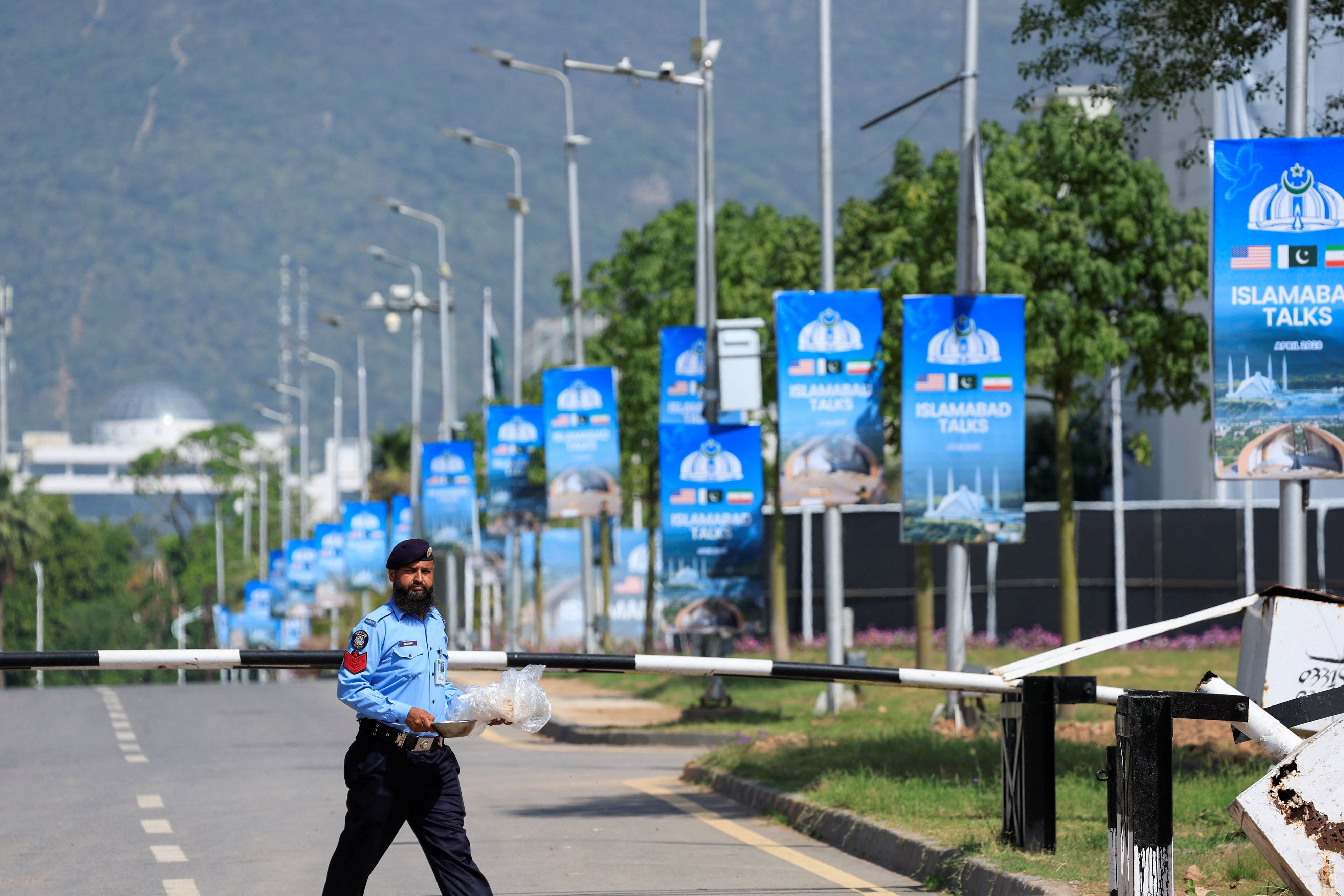
The original ceasefire was agreed upon on April 7 and was only supposed to last for two weeks. It was scheduled to expire early Wednesday morning at 4:50 AM Pakistan time. Before this extension, President Trump had stated multiple times that he was ready to start the attacks again the moment the clock ran out. Now, that deadline has been pushed back indefinitely. Additionally, the U.S. has stopped its team of officials from flying to Islamabad, Pakistan, where peace meetings were supposed to happen this Wednesday. This is because Iran has not confirmed it will attend the meeting.
Background and Context
The conflict between the United States, Israel, and Iran has been a major global concern for some time. This war involves complex issues regarding regional power and security. Pakistan has stepped in as a middleman to help both sides talk to each other without more fighting. A ceasefire is a temporary agreement to stop shooting or bombing so that leaders can try to find a way to end the war permanently. In this case, the U.S. and Israel have been using military force and economic pressure, such as blocking Iranian ports, to push Iran toward a deal. Iran, on the other hand, feels that these pressures must stop before they can agree to anything.
Public or Industry Reaction
The reaction from the international community is a mix of relief and worry. Many world leaders are glad that the bombing has not started again, as a wider war could hurt the global economy and cause many deaths. However, the Iranian government has made its position very clear. According to reports from official sources, Iran refuses to sit down at the negotiating table until the U.S. lifts its blockade on Iranian ports. This blockade stops ships from bringing goods in or taking oil out, which hurts Iran's economy. Within Iran, there seems to be a struggle between different groups of leaders, which is why they have not yet sent a unified message to the U.S. and its allies.
What This Means Going Forward
The next few days will be critical for the region. If the Iranian government can settle its internal arguments and present a single plan, the peace talks in Pakistan might still happen. If they cannot agree, the U.S. may decide that the ceasefire is no longer useful and resume its military strikes. The biggest hurdle right now is the port blockade. If the U.S. does not ease its control over Iran's shipping, Iran might continue to skip the peace meetings. This creates a "wait and see" situation where both sides are testing each other's patience. The role of Pakistan will continue to be important as they try to keep both sides from walking away from the table entirely.
Final Take
While the extension of the ceasefire provides a much-needed break from the violence, it is not a permanent solution. The peace process is currently on hold because of a lack of trust and internal political problems. For a real breakthrough to happen, both the U.S. and Iran will need to make difficult choices about their demands and their willingness to talk. For now, the world waits to see if diplomacy can win over force.
Frequently Asked Questions
Why did Donald Trump extend the ceasefire?
He extended it because the Iranian government is currently divided and cannot agree on a peace plan. He also did it because the leaders of Pakistan asked him for more time to help negotiate a deal.
What is stopping the peace talks from happening?
The talks are delayed because Iran has not confirmed it will attend. Iran says it will not negotiate until the United States stops blocking its sea ports, which prevents trade and shipping.
When was the ceasefire originally supposed to end?
The original two-week truce was set to expire on the morning of April 22, 2026, at 4:50 AM Pakistan time. The extension means that the U.S. will not resume attacks for now.