Summary
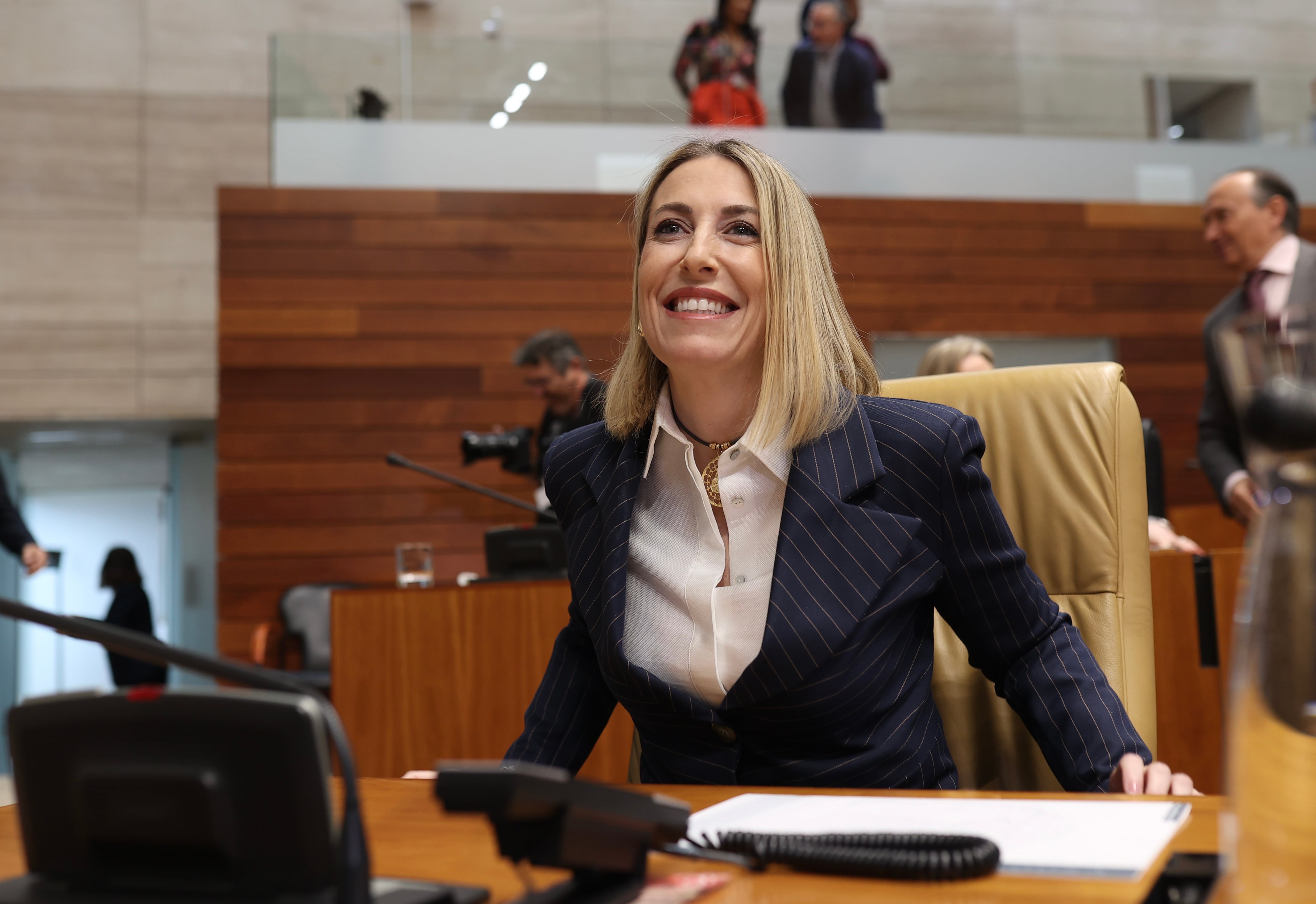
María Guardiola is moving closer to becoming the leader of Extremadura after a heated debate in the regional parliament. During the second day of her investiture, the political party Vox emphasized a key part of their deal with the People's Party (PP). This policy, called "national priority," aims to give Spanish citizens first access to social aid and public services. The move has sparked a major argument between different political groups about fairness and the law.
Main Impact
The most significant effect of this agreement is a change in how the regional government will handle social welfare. By promising that "nobody from outside" will come before a Spaniard, the new government is changing the rules for receiving help from the state. This could change how immigrants living in Extremadura access basic services. It also marks a firm ideological shift in the region, as the PP and Vox join forces to implement policies that focus strictly on national identity.
Key Details
What Happened
During the debate, the leader of Vox in Extremadura, Óscar Arturo Fernández Calle, spoke clearly about the party's goals. He stated that the principle of national priority is a core part of their agreement with María Guardiola. He argued that Spanish people should always be at the front of the line for government support. María Guardiola defended her choice to work with Vox, saying she does not need to apologize for forming a government with a party that represents many voters in the region.
Important Numbers and Facts
The deal between the PP and Vox was necessary because neither party had enough votes to lead alone. By joining their seats in the parliament, they reached the majority needed to govern. The "national priority" clause specifically targets public aid, housing assistance, and other social services. While the exact budget for these services changes every year, the policy will dictate how millions of euros are distributed among the population. The opposition argues that this policy might go against Spanish national laws and international human rights agreements.
Background and Context
To understand why this is happening, it is important to look at the recent elections in Spain. In many regions, the conservative People's Party (PP) needed the support of the right-wing party Vox to take power away from the Socialist Party (PSOE). In Extremadura, this was a difficult process. At first, María Guardiola said she would not govern with Vox because of their views on social issues. However, after weeks of talks and pressure from her party leaders, she changed her mind and signed a deal. This agreement includes several points that Vox considers essential, with "national priority" being one of the most controversial.
Public or Industry Reaction
The reaction from other political leaders has been very strong. Piedad Álvarez Cortés, a spokesperson for the PSOE, called the policy illegal. She argued that no government has the right to block people from education or healthcare based on where they were born. She even mentioned that other leaders within the PP have expressed doubts about such rules. Irene de Miguel, representing the group Unidas por Extremadura, used even harsher words. She compared the "national priority" idea to extremist ideologies from the past, showing how deep the divide is between the new government and the opposition.
What This Means Going Forward
In the coming months, the new government will have to turn these promises into actual laws. This is where they might face big problems. Legal experts say that the Spanish Constitution guarantees certain rights to everyone living in the country, regardless of their nationality. If the government of Extremadura tries to pass laws that strictly exclude non-Spaniards from essential services, those laws could be challenged in court. This could lead to a long legal battle between the regional government and the national government in Madrid.
Final Take
The situation in Extremadura shows a growing trend in Spanish politics where national identity is becoming a central issue for local governments. While the PP and Vox see this as protecting their citizens, the opposition sees it as a step backward for human rights. The success or failure of this "national priority" policy will likely influence how other regions in Spain are governed in the future.
Frequently Asked Questions
What is "national priority" in this context?
It is a policy that gives Spanish citizens preference over immigrants when applying for government aid, social housing, and other public services in the region of Extremadura.
Why did María Guardiola agree to this deal?
She needed the votes from the Vox party to become the president of Extremadura. Without their support, she would not have had enough power to form a government.
Is this policy legal under Spanish law?
Opposition parties and some legal experts argue it is not legal because the Spanish Constitution protects the rights of all residents. It is likely that the policy will be challenged in court to see if it follows national laws.