
Summary
The wars in Ukraine and the Middle East are starting to merge into a single, larger conflict. While they began at different times and in different places, the countries involved are now working together in ways that blur the lines between the two battlefields. Russia is helping Iran with advanced military technology, while Ukraine is sharing its combat experience with countries in the Persian Gulf. This growing connection is changing how global powers view these fights, though experts say we have not yet reached the level of a full-scale world war.
Main Impact
The biggest impact of this shift is the creation of a shared military network. Russia and Iran are now trading weapons and intelligence more openly than ever before. At the same time, Ukraine is forming new alliances with Arab nations like Saudi Arabia and Qatar. These countries are all dealing with the same types of weapons, specifically drones designed by Iran. Because the same technology is being used in both Eastern Europe and the Middle East, the outcomes of one war now directly affect the other. This makes it much harder for world leaders to solve one conflict without addressing the other.
Key Details
What Happened
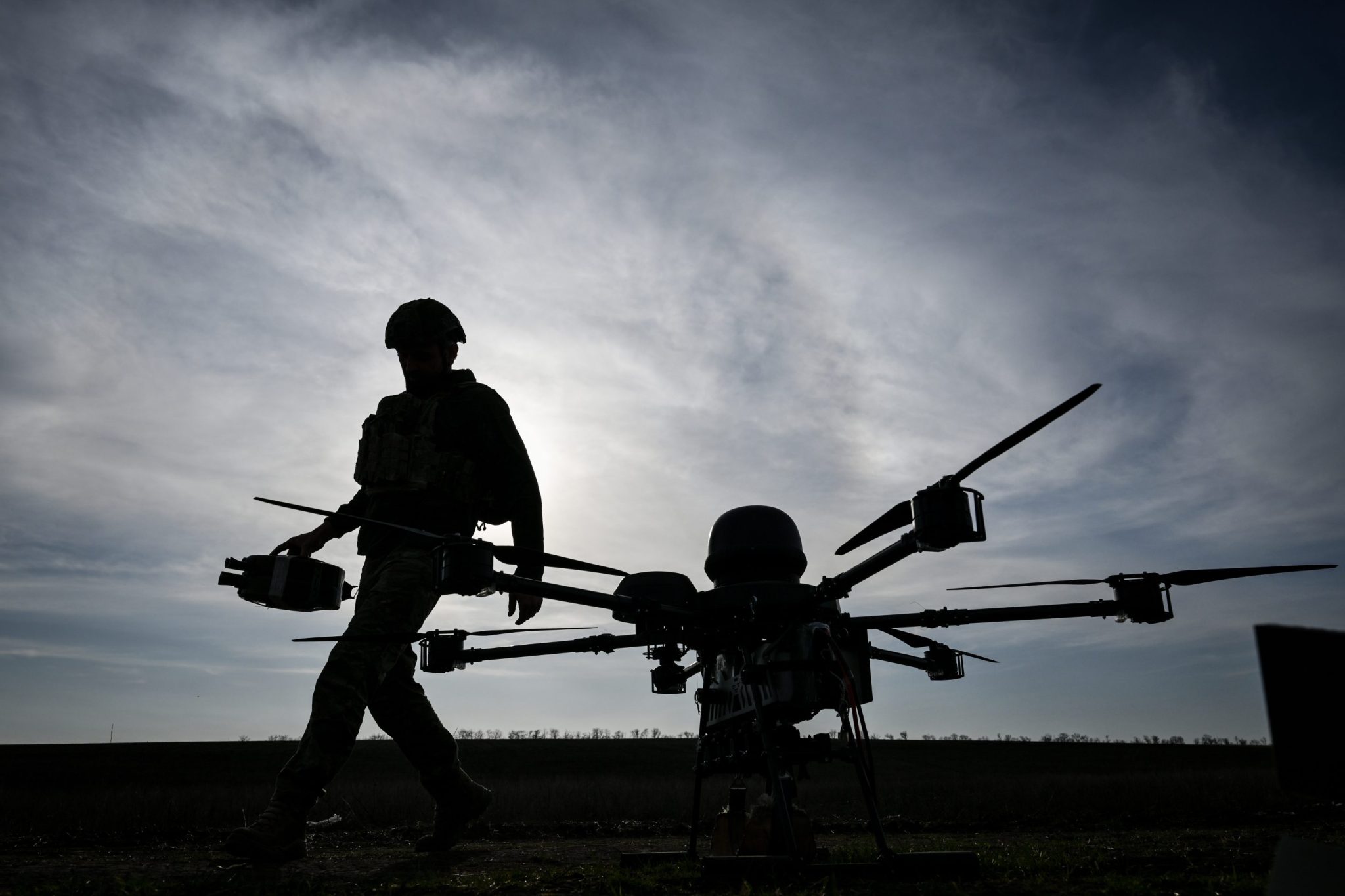
Several major events over the past week have shown how these wars are joining together. Ukrainian President Volodymyr Zelenskyy signed security deals with Saudi Arabia, the United Arab Emirates, and Qatar. Ukraine has spent years learning how to stop Iranian-made drones used by Russia. Now, they are teaching these Gulf states how to defend themselves against the same drones. Meanwhile, Russia has increased its support for Iran. Reports show that Russia is giving Iran better versions of its own drones and providing information to help Iran target U.S. positions in the Middle East.
Important Numbers and Facts
The scale of this cooperation is growing quickly. President Donald Trump has ordered thousands of U.S. troops to the Middle East. Their goal is to prepare for a ground mission to keep the Strait of Hormuz open, which is a vital path for the world's oil supply. In response to Russia sending weapons to Iran, Israel launched a strike on the Iranian port of Bandar Anzali in the Caspian Sea. This port is a key spot for moving ammunition and drones between Russia and Iran. Additionally, Russia is using land routes through Azerbaijan to send supplies, sometimes hiding military equipment in trucks labeled as humanitarian aid.
Background and Context
To understand why this is happening, it helps to look at what each country needs. Russia needs more weapons to continue its fight in Ukraine, and Iran is one of the few countries willing to provide them. In exchange, Iran wants Russia’s advanced technology to improve its own military. This trade has created a loop where Russian improvements to Iranian drones are then used against Ukraine. For the U.S. and its allies, this is a major problem. They are trying to support Ukraine while also protecting their interests in the Middle East. When Russia helps Iran, it makes the situation more dangerous for U.S. troops and for Israel.
Public or Industry Reaction
Leaders in Europe and at NATO are watching these developments closely. Kaja Kallas, the foreign policy chief for the European Union, recently said that these wars are "interlinked." She argued that if the U.S. wants Iran to stop attacking, it must also put more pressure on Russia. However, there is some disagreement on how to handle the situation. While many European leaders do not want to get directly involved in a war with Iran, they are still allowing the U.S. to use military bases in Europe for operations. NATO Secretary General Mark Rutte has expressed support for the U.S. actions, stating that a nuclear-armed Iran would be a threat to the entire world.
What This Means Going Forward
The merging of these wars creates new risks for global stability. If the U.S. moves forward with a ground assault near the Strait of Hormuz, it could lead to a much larger fight involving many countries. Experts like Professor William Spaniel note that while we are not in a "true world war" yet, the situation is getting closer. A world war usually involves one country fighting on two major fronts at the same time. Right now, we see different countries helping each other across different fronts. The next few months will be critical as the U.S. decides how much force to use in the Middle East and how that will affect the supply of weapons to Ukraine.
Final Take
The world is no longer dealing with separate, isolated regional conflicts. The technology, the weapons, and the alliances have created a situation where a move in the Caspian Sea can change the fight in the Persian Gulf or on the plains of Ukraine. As these battle lines continue to connect, the path to peace becomes more complicated for everyone involved.
Frequently Asked Questions
Why is Ukraine helping Saudi Arabia?
Ukraine has gained a lot of experience defending against Iranian drones used by Russia. Saudi Arabia faces similar drone attacks from Iran-backed groups, so Ukraine is sharing its knowledge and technology to help the kingdom protect itself.
What is the Strait of Hormuz and why does it matter?
The Strait of Hormuz is a narrow waterway that connects the Persian Gulf to the rest of the world. It is one of the most important routes for oil shipments. If it is closed, global oil prices could rise sharply and cause an economic crisis.
Is this the start of World War III?
While the conflicts are merging and involving more countries, experts say it is not a world war yet. A world war typically requires major powers to be fighting directly on multiple continents at the same time, which has not happened so far.



