Summary
Ukraine is using a new wave of ground robots to take over the most dangerous jobs on the battlefield. These machines work alongside flying drones to attack enemy positions and clear the way for human soldiers. Recent reports show that these robotic units have successfully forced enemy troops to surrender without a single human soldier being present in the immediate area. This shift is part of a larger plan to use technology to save lives and change how modern wars are fought.
Main Impact
The biggest impact of this robotic surge is the protection of human life. In traditional warfare, attacking a fortified position is one of the deadliest tasks a soldier can face. By sending in ground robots instead of people, the Ukrainian military can reduce its number of injuries and deaths. This change is turning the battlefield into a place where machines handle the most violent and risky parts of the fight. It also shows other countries that the future of defense will rely heavily on uncrewed systems that can operate on the ground, not just in the air.
Key Details
What Happened
President Volodymyr Zelenskyy recently shared news about a major success involving military robots. He described a situation where ground robots and flying drones worked together to take over a Russian military spot. The flying drones provided a view from above, while the ground robots moved in to attack. According to reports, the Russian soldiers at the site chose to surrender to the robot rather than continue the fight. This event likely took place in the Kharkiv region, where the 3rd Separate Assault Brigade has been testing these new tools. The brigade used "kamikaze" ground robots, which are machines designed to carry explosives directly into enemy lines and blow up on impact.
Important Numbers and Facts
The use of these robots has grown very quickly in a short amount of time. In the last three months alone, Ukrainian military robots have completed more than 22,000 missions. This includes everything from attacking the enemy to carrying supplies to soldiers in the field. In March, there were over 9,000 robotic missions recorded. This is a threefold increase compared to just five months ago. These numbers show that the military is no longer just testing these machines; they are now a core part of their daily operations.
Background and Context
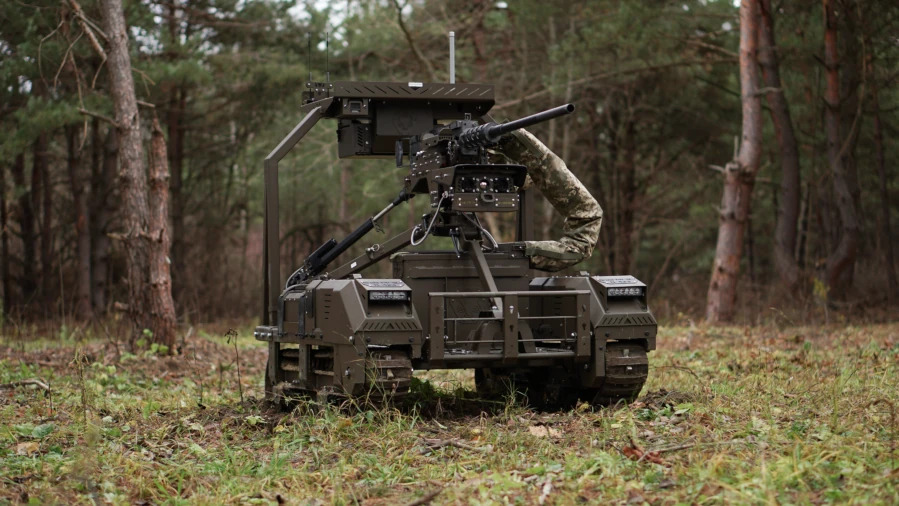
For a long time, the war in Ukraine has been known for the use of flying drones. These small aircraft have changed how armies scout and attack from the sky. However, ground robots, also known as uncrewed ground vehicles or UGVs, are more difficult to use. They have to move over mud, through tall grass, and around destroyed buildings. Despite these challenges, Ukraine has pushed to develop ground robots that can carry heavy machine guns, transport wounded soldiers, or act as mobile bombs. The goal is to create a "robotic army" that can do the "dirty work" so that humans do not have to put themselves in harm's way as often.
Public or Industry Reaction
The news of robots forcing a surrender has caught the attention of military experts around the world. A video released by the government-run platform United24 showed how these robots operate in real combat. While some of the claims made by officials have not been fully verified by outside groups, the video evidence and reports from the 3rd Separate Assault Brigade suggest the technology is working. People in the defense industry are calling this a "robotic milestone." It proves that machines can do more than just help humans; they can sometimes replace them in direct combat situations.
What This Means Going Forward
In the future, we can expect to see even more automation on the battlefield. As the technology gets better, these robots will likely become smarter and more independent. Right now, a human still controls the robot from a safe distance using a remote. Soon, these machines might be able to navigate and make simple choices on their own using basic artificial intelligence. This will make them even more effective but also raises new questions about how wars will be managed. Other nations are watching Ukraine closely to learn how to build their own robotic units for future conflicts.
Final Take
Ukraine is proving that robots are no longer just a tool for the future; they are a vital part of the present. By using machines to capture ground and force surrenders, they are showing a new way to fight that prioritizes human safety. This shift marks a major turning point in military history that will influence how every army in the world prepares for battle.
Frequently Asked Questions
What are ground robots used for in the military?
Ground robots are used to attack enemy positions, carry heavy supplies, clear landmines, and move wounded soldiers to safety. Some are also used as "kamikaze" drones that explode when they reach a target.
Can a robot really make a soldier surrender?
Yes. Reports and videos show that when soldiers are trapped or overwhelmed by robotic attacks and have no way to fight back, they may choose to surrender to the machine rather than be killed.
Why is Ukraine using more robots now?
Ukraine is using more robots to save the lives of its soldiers. Robots can go into high-risk areas where humans would likely be hurt or killed, allowing the military to stay effective while keeping its people safe.