Summary
The UK government has officially started a public discussion to decide if children under the age of 16 should be banned from using social media. This move comes after growing worries about how online platforms affect the mental health and safety of young people. For the next three months, officials will gather opinions from parents, teachers, and experts to see if a total ban or stricter rules are needed. This step could lead to some of the toughest internet laws in the world to protect children from digital harm.
Main Impact
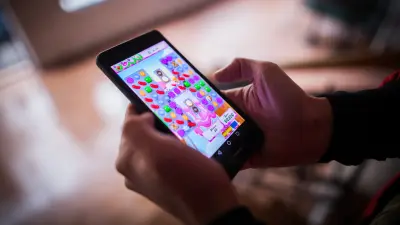
If the government decides to move forward with a ban, it would change the daily lives of millions of teenagers across the United Kingdom. Currently, many children spend several hours a day on apps like TikTok, Instagram, and Snapchat. A ban would force these tech companies to change how they operate. They would likely have to use much stronger technology to check the age of every user. This could also mean that parents would face new responsibilities in monitoring what their children do online. The main goal is to reduce the pressure social media puts on young people and stop them from seeing content that is not safe for their age.
Key Details
What Happened
The UK government launched a formal consultation, which is a period where they ask the public for their thoughts on a specific plan. They want to know if people think a ban for under-16s is a good idea or if there are better ways to keep kids safe. This discussion will last for twelve weeks. During this time, the government will look at evidence regarding online bullying, the loss of sleep caused by screen time, and how social media can make young people feel bad about themselves. They are also looking at whether tech companies are doing enough to follow existing safety laws.
Important Numbers and Facts
The consultation period is set to last for exactly three months. While the focus is on children under 16, the government is also looking at data from younger children who often lie about their age to get onto social media apps. Recent studies show that a large number of children under 13 already have social media accounts, even though most apps say you must be 13 to join. The government is also looking at how other countries are handling this. For example, Australia has already talked about similar bans, and the UK wants to see if those ideas could work at home.
Background and Context
For many years, doctors and teachers have warned that social media might be hurting children. They point to problems like cyberbullying, where kids are picked on through messages and comments. There is also the issue of "doomscrolling," which is when someone spends a long time looking at bad news or perfect-looking photos that make them feel unhappy with their own life. The UK already has a law called the Online Safety Act, which tells tech companies they must remove illegal content. However, many people feel this law does not go far enough. They believe that simply being on these apps is the problem, not just the bad content they might see.
Public or Industry Reaction
The reaction to this news has been mixed. Many parents are happy that the government is taking action. They often feel it is impossible to keep their kids off these apps when everyone else in school is using them. They hope a ban would take the pressure off both parents and children. On the other hand, some tech experts say a ban might be very hard to enforce. They worry that kids will find ways to hide their identity or use "workarounds" to stay online. Some young people also argue that social media helps them stay in touch with friends and learn new things. They feel that a total ban would be unfair to those who use the internet responsibly.
What This Means Going Forward
Once the three-month talk ends, the government will read all the feedback and write a report. They will then decide if they want to make new laws. If they choose to go ahead with a ban, it will not happen overnight. It would take time to write the rules and give tech companies a chance to update their systems. We might see new types of ID checks, such as using facial scanning or bank details to prove a user is old enough. Tech companies that do not follow the new rules could face very large fines. This process will be watched closely by other countries who are also trying to figure out how to make the internet safer for the next generation.
Final Take
The UK is at a turning point regarding how children use technology. While social media offers many ways to connect, the risks to mental health have become too big to ignore. This consultation is a chance for everyone to have a say in how the digital world should work. Whether it ends in a full ban or just much stricter rules, the way teenagers use the internet is likely to change forever. The focus is now on finding a balance between freedom and the safety of young people.
Frequently Asked Questions
Is social media already banned for kids in the UK?
No, there is no official government ban yet. Most apps have a minimum age of 13, but the government is now asking if that should be raised to 16 and enforced by law.
How long will the government take to decide?
The public discussion will last for three months. After that, the government will look at the results before deciding on the next steps, which could take several more months.
Will this affect all social media apps?
The consultation is looking at all major platforms where people share content and message each other, such as TikTok, Instagram, and X (formerly Twitter).