
Summary
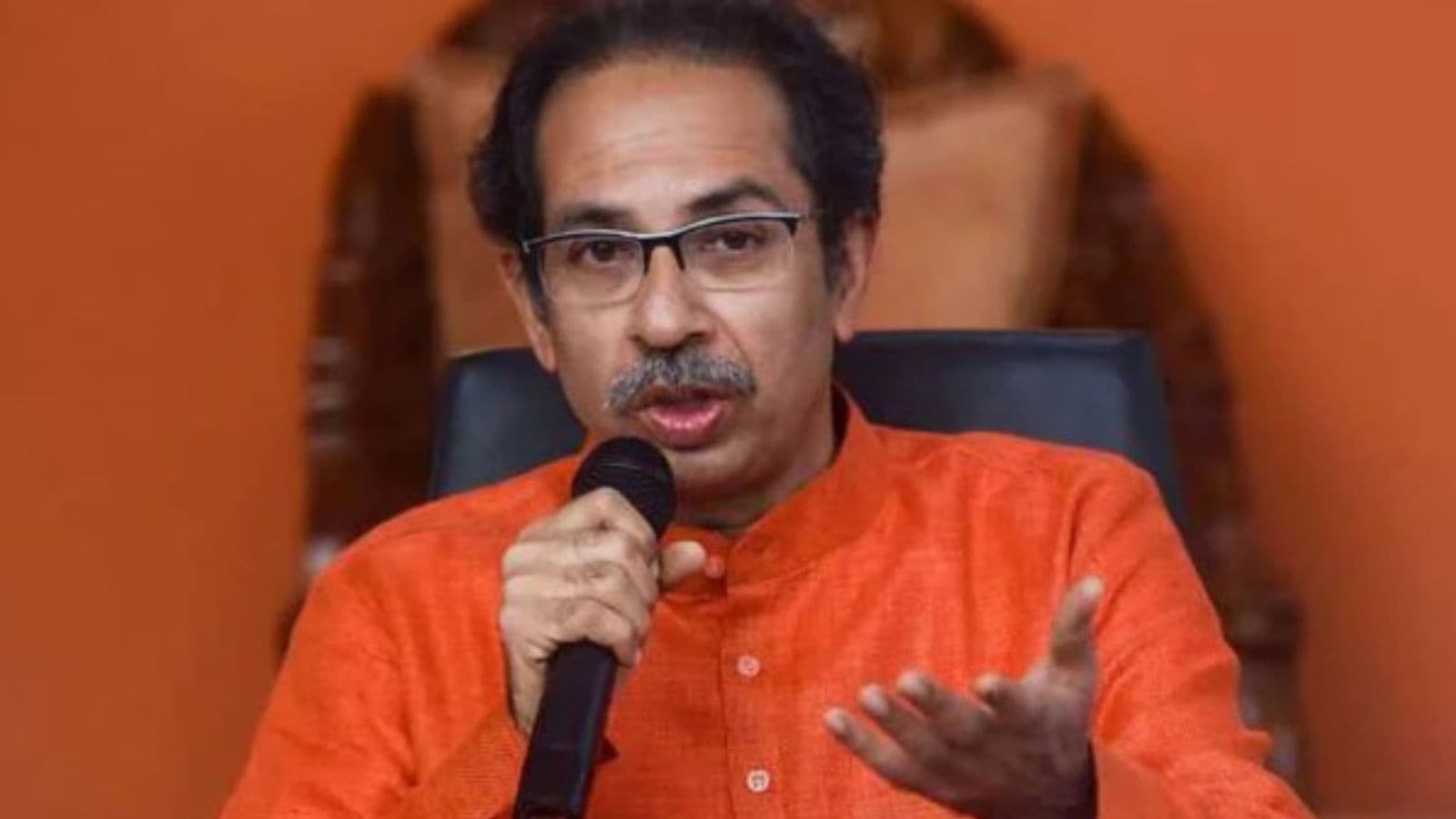
Uddhav Thackeray, the leader of the Shiv Sena (UBT), has publicly shared his strong support for West Bengal Chief Minister Mamata Banerjee. He praised her for her courage in facing political challenges, describing her as a leader who fights like a tigress. Thackeray also sent a clear message to the Bharatiya Janata Party (BJP), stating that the influence of the Thackeray name is still very strong. This statement comes at a time when regional leaders are trying to build a united front against the central government.
Main Impact
The main impact of this statement is the strengthening of ties between two major regional powers in India. By backing Mamata Banerjee, Uddhav Thackeray is signaling that the opposition is becoming more coordinated. This move is intended to show that regional parties will not be easily pushed aside by larger national parties. It also serves as a morale booster for his own supporters in Maharashtra, who have seen significant changes in their party over the last few years.
This public show of support suggests that the political battle in the coming months will focus heavily on regional identity. Thackeray is trying to prove that even without the official party symbol or name that he lost previously, his personal and family brand remains a powerful force. This could change how voters in both Maharashtra and West Bengal view the strength of the opposition alliance.
Key Details
What Happened
During a recent political gathering, Uddhav Thackeray spoke about the current state of politics in India. He focused on the pressure that regional leaders face from central agencies and the ruling party at the center. He specifically pointed to Mamata Banerjee as an example of someone who does not back down. He used the "tigress" comparison to highlight her bravery in defending her state's interests. He then turned the focus to Maharashtra, telling his rivals that they should not celebrate too early because his political journey is far from over.
Important Numbers and Facts
The political situation involves several key figures and historical events. Uddhav Thackeray lost the official "Shiv Sena" name and the "Bow and Arrow" symbol in 2023 after a split in his party. Since then, he has been working to rebuild his base under the name Shiv Sena (UBT). Mamata Banerjee has led West Bengal since 2011 and has won three consecutive terms, often defeating the BJP in high-stakes elections. Thackeray’s comments are seen as a way to link his struggle in Maharashtra with her success in West Bengal.
Background and Context
To understand why this matters, we have to look at the history of these two leaders. Both come from states with very strong local cultures and languages. In Maharashtra, the Thackeray family has been a dominant force for decades, starting with Balasaheb Thackeray. In West Bengal, Mamata Banerjee built her party, the Trinamool Congress, from the ground up to challenge established powers. Both leaders often argue that the central government tries to take away the rights of individual states.
In recent years, many regional parties have felt that they are under attack. They believe that the central government uses its power to weaken local leaders. This has led to a new kind of politics where leaders from different states, who may not have much in common otherwise, are joining hands. Thackeray’s support for Banerjee is a perfect example of this new strategy.
Public or Industry Reaction
The reaction to Thackeray’s comments has been mixed. Supporters of the Maha Vikas Aghadi (MVA) alliance in Maharashtra welcomed the statement, seeing it as a sign of strength and confidence. They believe that the "Thackeray brand" is indeed the most important factor for their voters. On the other hand, BJP leaders have dismissed the comments. They argue that Thackeray is only looking for support from other states because he has lost his grip on his own party in Maharashtra.
Political experts note that this rhetoric is designed to appeal to the emotions of local voters. By using words like "tigress" and "brand," Thackeray is trying to move the conversation away from legal battles and toward a fight for pride and respect. Social media has also seen a lot of activity, with fans of both leaders sharing clips of the speech to show a united opposition.
What This Means Going Forward
Looking ahead, this alliance could lead to more joint rallies and shared campaign strategies. If Thackeray and Banerjee continue to support each other, it might encourage other regional leaders to join them. This could create a more difficult path for the BJP in the next general elections. The focus will likely remain on state pride and the idea that local leaders understand their people better than a central authority does.
However, there are risks. The BJP is likely to use these alliances to claim that the opposition is just a group of regional leaders who only care about their own power. The success of the "Thackeray brand" will be tested in the next state elections. If Thackeray can win back a large number of seats, his claim that his brand is "just beginning" will be proven true. If not, his rivals will use it as proof that his time has passed.
Final Take
Uddhav Thackeray is clearly choosing a path of direct confrontation and strong alliances. By praising Mamata Banerjee and asserting his own family's legacy, he is trying to show that he is still a major player in Indian politics. This strategy relies on the idea that regional pride is stronger than national party trends. Whether this will be enough to win back his lost ground remains to be seen, but it certainly makes the political contest more intense.
Frequently Asked Questions
Why did Uddhav Thackeray call Mamata Banerjee a tigress?
He used this term to describe her courage and her ability to fight against the central government and the BJP in West Bengal without backing down.
What does the "Thackeray brand" refer to?
It refers to the political legacy and influence of the Thackeray family in Maharashtra, which started with Uddhav's father, Balasaheb Thackeray.
Why is the relationship between these two leaders important?
It is important because it shows that regional leaders from different states are uniting to challenge the central government's power, which could change the outcome of future elections.



