
Summary
Health officials and medical researchers have launched a major initiative to collect blood samples from residents in the Uddhanam region of Andhra Pradesh. This effort is part of a long-term investigation into the high rates of chronic kidney disease that have plagued the area for decades. By gathering and testing these samples, experts hope to finally identify the root cause of this mysterious health crisis and provide better medical support to the local population.
Main Impact
The primary goal of this sample collection drive is to solve a medical mystery that has affected thousands of lives. For a long time, the people of Uddhanam have suffered from kidney failure at rates much higher than the national average. This new phase of research will allow scientists to look for specific biological markers and environmental toxins in the blood. The findings could lead to new prevention strategies, more accurate diagnoses, and specialized treatment plans that are currently unavailable to many residents.
Key Details
What Happened
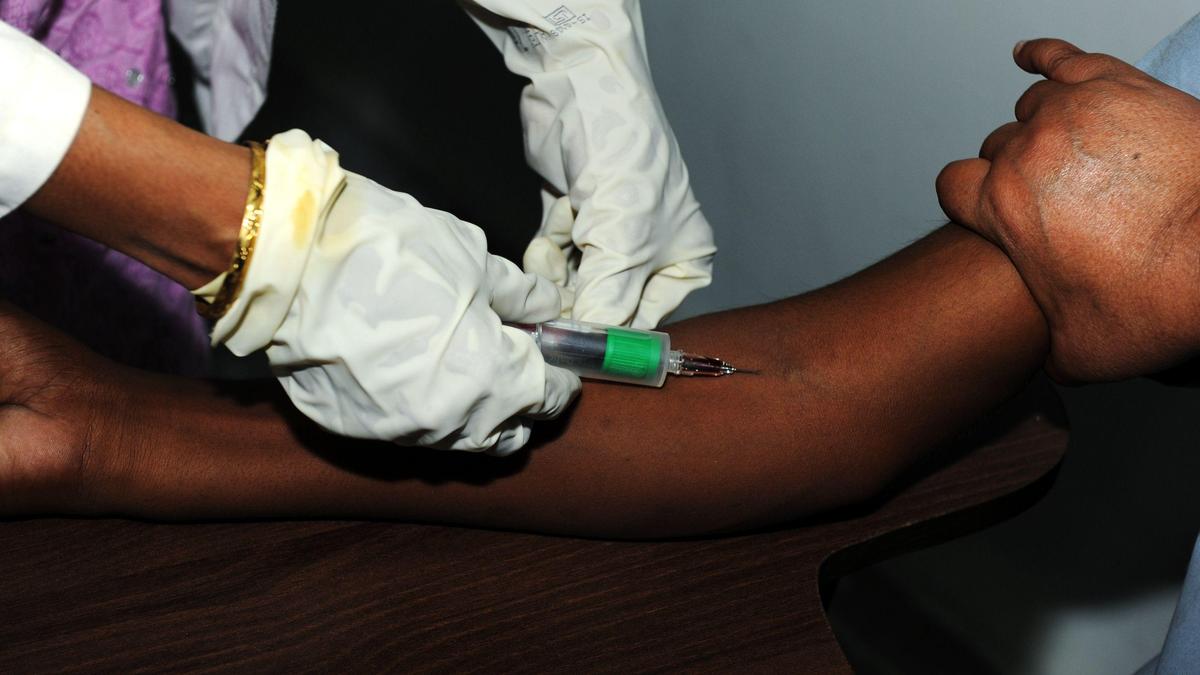
Medical teams consisting of doctors, lab technicians, and health workers have begun visiting various villages across the Uddhanam area in the Srikakulam district. They are conducting door-to-door visits to collect blood and urine samples from a wide range of people, including those who show symptoms of kidney trouble and those who appear healthy. This broad approach helps researchers compare different groups to see what factors might be causing the illness.
Important Numbers and Facts
The research teams aim to cover several thousand households to ensure the data is accurate. In previous years, surveys suggested that a significant percentage of the population in this region had some form of kidney damage. The current project involves collaboration between state health departments and national research institutes. Officials are also tracking the age, occupation, and daily habits of the participants to see if there is a link between their work in coconut or cashew plantations and their health status.
Background and Context
Uddhanam is a lush, green area known for its beautiful orchards, but it has a dark history of health problems. The condition found here is often called Chronic Kidney Disease of unknown etiology, or CKDu. Unlike typical kidney disease, which is usually caused by diabetes or high blood pressure, CKDu in Uddhanam affects young and middle-aged workers who do not have these common health issues. Scientists have spent years trying to figure out if the cause is related to high levels of silica in the drinking water, the use of certain pesticides, or extreme heat stress during outdoor work.
Public or Industry Reaction
The local community has expressed a mix of hope and caution. Many families have lost breadwinners to kidney failure, and they are eager for answers that could save the next generation. Local leaders have praised the government for setting up specialized facilities, such as the 200-bed kidney hospital and research center in Palasa. However, some residents are calling for even faster action, noting that while research is important, they also need immediate access to affordable medicines and more dialysis units in remote villages.
What This Means Going Forward
Once the blood samples are analyzed in advanced laboratories, the data will be used to create a comprehensive health map of the region. If a specific toxin or environmental factor is found, the government can take direct action, such as changing water filtration methods or regulating certain chemicals. Furthermore, this research might help other parts of the world that suffer from similar mysterious kidney diseases. The next step will be for the health department to release a report based on these findings and adjust their public health policies accordingly.
Final Take
The collection of blood samples is more than just a medical procedure; it is a vital step toward restoring the health and dignity of a community that has suffered in silence for too long. By using modern science to investigate these ailments, there is a real chance to turn the tide against this silent killer. Success in Uddhanam could provide a blueprint for how to handle environmental health crises in other rural areas across the globe.
Frequently Asked Questions
What is CKDu?
CKDu stands for Chronic Kidney Disease of unknown etiology. It is a type of kidney failure that happens without common causes like diabetes or high blood pressure, often linked to environmental factors.
Why are blood samples being collected in Uddhanam?
Samples are being collected to study the health of the residents and find out why so many people in this specific region suffer from kidney disease. Researchers are looking for toxins or genetic factors.
What is the government doing to help the residents?
The government has built a specialized kidney hospital in Palasa, set up free dialysis centers, and is working on projects to provide safe, filtered drinking water to all villages in the area.

