
Summary
The United Arab Emirates is currently in discussions with the United States regarding a potential financial safety net. This move comes as the ongoing war with Iran creates significant economic pressure on the region. Emirati officials are looking for a way to protect their economy from a total crisis if the conflict gets worse. While the country has managed to stay stable so far, leaders are worried about the long-term effects of the fighting on their financial system.
Main Impact
The primary goal of these talks is to ensure the UAE remains a global center for business and finance. The war has already started to interfere with the way the country makes money, specifically through oil sales. If the conflict continues to escalate, there is a high risk that international investors might pull their money out of the country. By securing a financial agreement with the U.S., the UAE hopes to prevent a sudden loss of cash and keep its banks running smoothly.
Key Details
What Happened
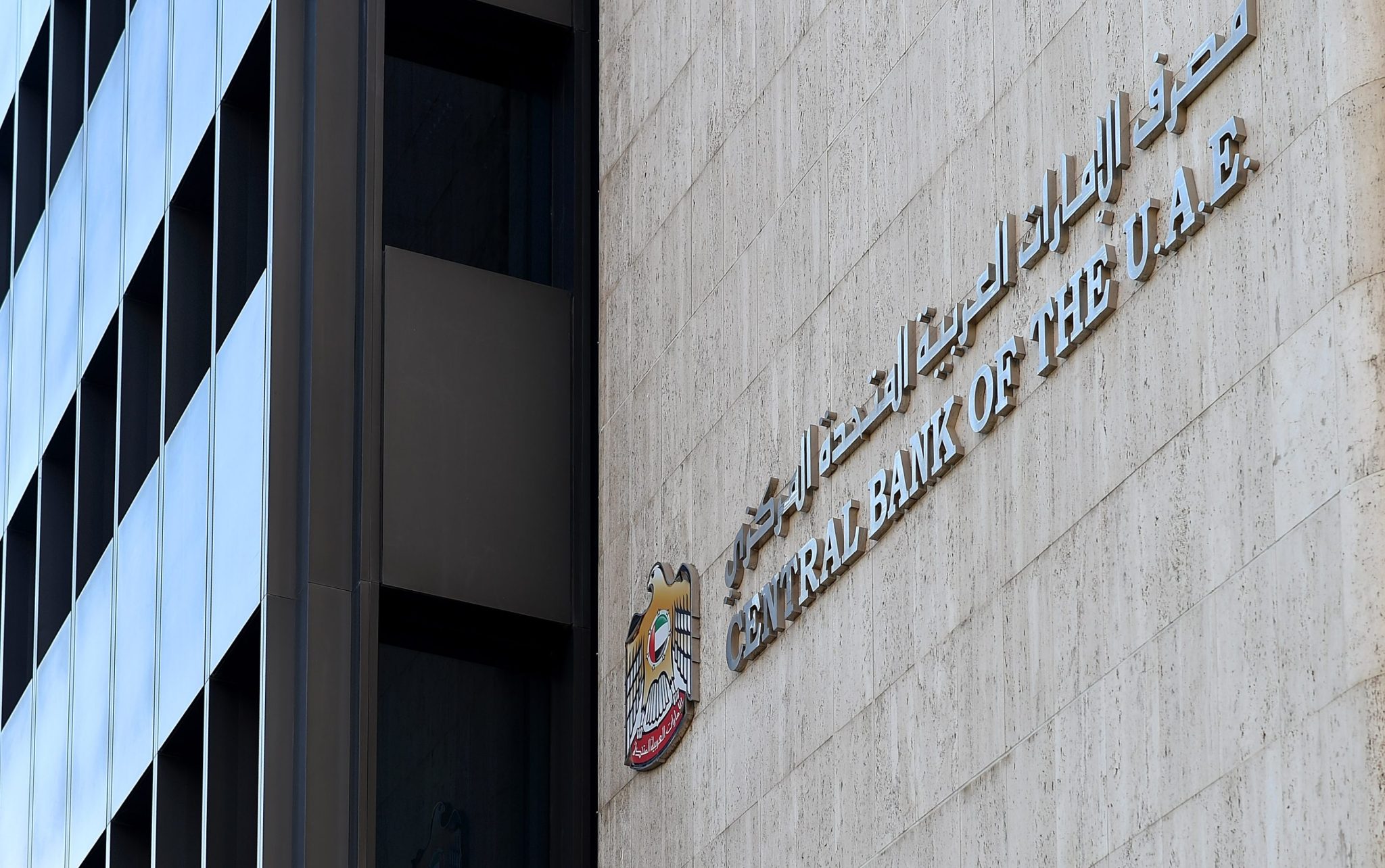
Last week, the Governor of the UAE Central Bank, Khaled Mohamed Balama, traveled to Washington for high-level meetings. He met with officials from the U.S. Treasury and the Federal Reserve, including Treasury Secretary Scott Bessent. During these meetings, the idea of a "currency swap line" was introduced. This is a special arrangement where two countries agree to trade currencies so that one can have easy access to the other’s money during an emergency. In this case, the UAE wants to make sure it can get U.S. dollars if its own reserves run low.
Important Numbers and Facts
The scale of the conflict has been significant since it began earlier this year. According to government reports, the UAE has been targeted by more than 2,800 missiles and drones since the war involving the U.S., Israel, and Iran started on February 28. These attacks have caused physical damage to the country's energy plants and shipping routes. Because the Strait of Hormuz is currently blocked, the UAE is struggling to ship oil, which is its biggest source of income. This blockage has stopped a steady flow of U.S. dollars into the country, creating a need for a backup plan.
Background and Context
The UAE has spent decades building itself into a safe and wealthy place for international business. Cities like Dubai and Abu Dhabi are known for being major hubs for trade, tourism, and banking. However, being located in a region at war creates unique challenges. The Strait of Hormuz is a narrow water passage that is vital for the global oil trade. When this path is blocked or becomes dangerous, it affects the entire world's energy supply and the UAE's ability to function as a trade leader. The current talks show that even the wealthiest nations need a plan for when war disrupts the normal flow of business.
Public or Industry Reaction
So far, the UAE has not made a formal, public request for the money. The discussions are still in the early stages. However, the fact that these talks are happening at all has caught the attention of global financial experts. It signals that the UAE government is becoming more anxious about the future. Industry experts note that "capital flight"—which is when people and companies move their money to safer countries—is a major concern. If the UAE can show that it has the full support of the U.S. financial system, it might help keep investors calm and prevent them from leaving.
What This Means Going Forward
The next steps depend on how the U.S. government responds to the UAE's concerns. If a currency swap line is approved, it would strengthen the bond between the two nations. It would also act as a shield for the UAE economy, allowing it to survive even if oil exports remain blocked for a long time. For the U.S., providing this lifeline helps keep a key ally stable in a very unstable part of the world. However, if the war continues to intensify, even a financial safety net might not be enough to stop the physical damage to the country's infrastructure.
Final Take
The UAE is taking a proactive step by asking for help before a full economic collapse happens. By seeking a financial backstop now, they are trying to protect their hard-earned reputation as a stable place for global money. The situation highlights how quickly war can change the fortunes of even the most successful nations. The world will be watching closely to see if the U.S. steps in to provide this critical financial support.
Frequently Asked Questions
What is a currency swap line?
A currency swap line is an agreement between two central banks to exchange their currencies. It allows a country to get access to foreign money, like U.S. dollars, when they are in a crisis and cannot get that money through normal trade.
Why does the UAE need U.S. dollars?
The UAE sells its oil in U.S. dollars. Since the war has blocked oil shipments, the country is not receiving as many dollars as it usually does. They need these dollars to pay for imports and to keep their financial system stable.
Is the UAE economy currently failing?
No, the UAE economy is not failing yet. Leaders say they have avoided the worst effects so far, but they are worried that the ongoing war and missile attacks will eventually cause a major crisis if they don't have a backup plan.



