
Summary
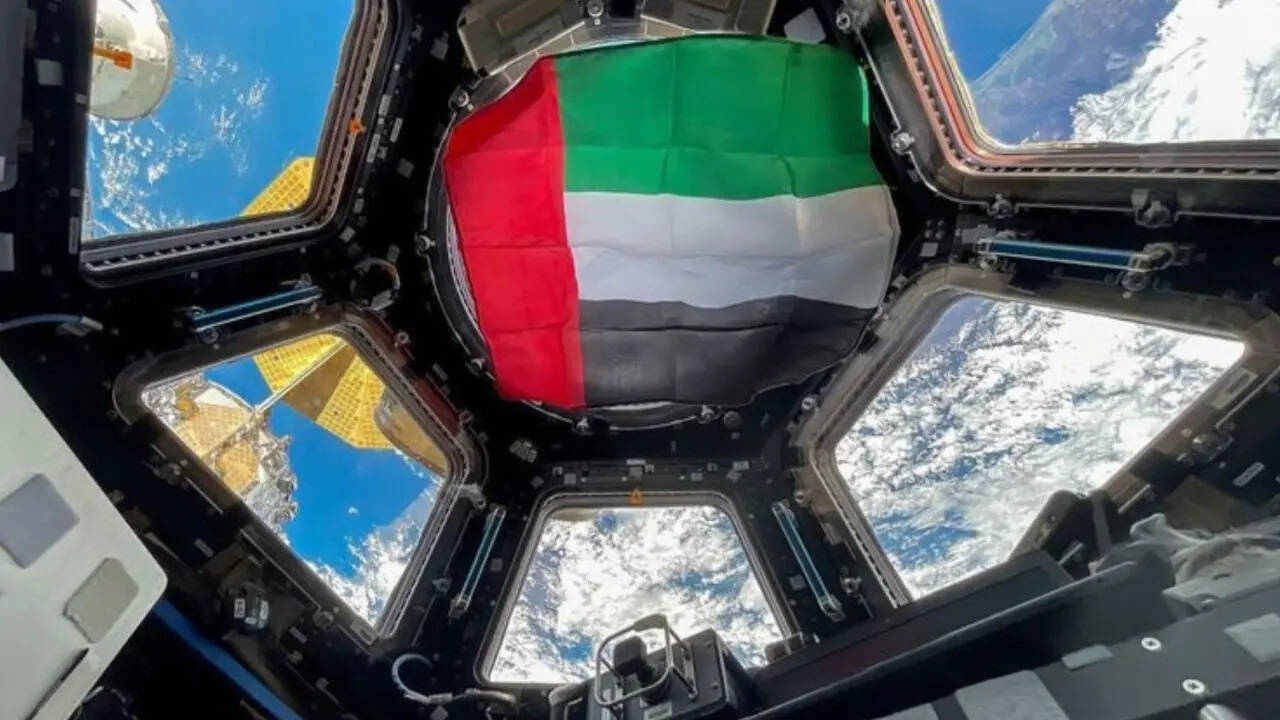
The United Arab Emirates (UAE) has confirmed that it will continue its mission to the moon despite a major change in NASA’s plans. NASA recently decided to shift its focus from building the Lunar Gateway, a space station that would orbit the moon, to creating a base directly on the lunar surface. While this change could have discouraged partners, the UAE has decided to stay committed to the Artemis program. They are now working to find a new role in building the ground-based lunar station, showing their strong desire to remain a leader in space exploration.
Main Impact
This decision by the UAE is a big step for international space partnerships. It shows that the country is flexible and ready to adapt when technology or goals change. By staying with the Artemis program, the UAE ensures it will still have a seat at the table for future moon missions. This move also helps the UAE gain more knowledge in space engineering. Instead of just being a visitor, the UAE wants to be a key builder of the infrastructure that will allow humans to live and work on the moon for long periods.
Key Details
What Happened
For several years, NASA and its partners planned to build the Lunar Gateway. This was meant to be a small space station where astronauts could stay before going down to the moon's surface. The UAE had agreed to build a vital part of this station called an airlock. An airlock is a special room that allows astronauts to move between the inside of the station and the vacuum of space without letting air escape. However, NASA recently changed its roadmap. They now believe that building a base directly on the moon’s surface is a faster and better way to prepare for future trips to Mars. Even though the Gateway project has slowed down, the UAE quickly announced they would shift their efforts to support the new surface base plans.
Important Numbers and Facts
The UAE has been very active in space over the last few years. They successfully sent the "Hope" probe to Mars in 2021, making them the first Arab nation to reach the red planet. They also launched the Rashid rover, which was their first attempt to land a robot on the moon. The Artemis program, led by NASA, involves more than 30 countries that have signed an agreement to explore the moon together. The UAE’s commitment to this program is part of a long-term plan to build a human colony on Mars by the year 2117. By participating in the moon base project, they are gaining the skills needed for that much larger goal.
Background and Context
Space exploration is very expensive and difficult. Most countries cannot do it alone, so they work together. The Artemis program is the modern version of the Apollo missions that first put humans on the moon in the 1960s. This time, the goal is not just to visit, but to stay. NASA’s decision to move from an orbiting station to a surface base is a practical one. A surface base allows scientists to study moon rocks more easily and test ways to turn moon ice into water and fuel. For the UAE, being part of this means their scientists and engineers get to work with the best in the world. It also helps the country move its economy away from oil and toward high-tech industries.
Public or Industry Reaction
Space experts have praised the UAE for its steady approach. Many times, when a major partner like NASA changes a plan, smaller partners might pull out because of the extra cost or the need to redesign equipment. However, the UAE’s reaction shows that they are not just looking for a quick win. They are viewed as a reliable partner that is willing to solve hard problems. Industry leaders say this builds trust between the UAE and other space agencies like those in Europe and Japan. It also inspires young people in the Middle East to study science and math, seeing that their country is playing a major role in the future of humanity.
What This Means Going Forward
The next step for the UAE will be to talk with NASA about what they can build for the surface base. Since they were already planning to build an airlock, they might design a similar system for a building on the moon’s ground. This would be a place where astronauts can put on their space suits and walk out onto the lunar dirt. There is also a strong possibility that this partnership will lead to an Emirati astronaut walking on the moon. If the UAE provides a major part of the base, they will likely earn a spot on one of the upcoming crewed missions. This would be a historic moment for the nation and the entire region.
Final Take
The UAE is proving that it has the patience and the vision to handle the changing world of space travel. By choosing to adapt rather than quit, they have secured their place in the next great era of exploration. Their focus on the moon is a clear sign that they intend to be a permanent part of the global space community. As the world watches the first moon bases being built, the UAE will likely be there, helping to lead the way into the unknown.
Frequently Asked Questions
Why did NASA change its plans for the moon?
NASA decided to focus more on a surface base because it allows for more direct scientific research and helps test the technology needed for a future mission to Mars more effectively than an orbiting station.
What was the UAE's original job in the moon mission?
The UAE was originally responsible for building the airlock for the Lunar Gateway. This airlock would have allowed astronauts to enter and exit the space station safely while it was in orbit.
Will an Emirati astronaut go to the moon?
While no specific date has been set, the UAE's deep involvement in the Artemis program and their work on the moon base makes it very likely that an Emirati astronaut will be part of a future mission to the lunar surface.

