
Summary
Language has a strange way of hiding meanings that only become clear many years later. Recently, many people have noticed a Middle English word called "trumpery" that seems to describe the modern political era of Donald Trump. This word, which dates back hundreds of years, refers to things that look fancy but are actually worthless or deceptive. The connection between this old term and the current political world shows how English can sometimes feel like it is predicting the future. It also reminds us how language is used as a tool for power and status in different parts of the world.
Main Impact
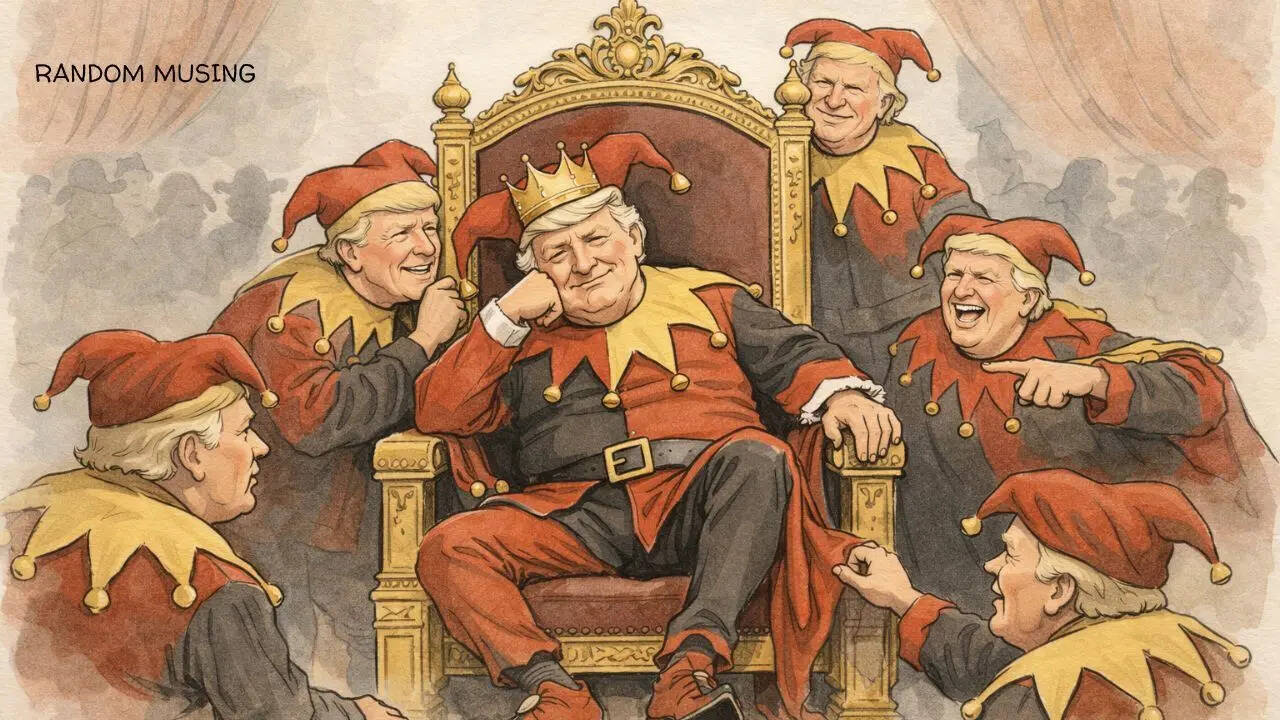
The main impact of this linguistic discovery is how it changes the way we look at political branding and history. When a name matches an old word with a negative meaning, it creates a strong image in the minds of the public. For those who study language, the word "trumpery" serves as a bridge between the past and the present. It suggests that the ideas of showiness, trickery, and lack of substance are not new problems. Instead, they are human traits that have been labeled and tracked for centuries. This connection has given critics a new way to talk about modern events using the very roots of the English language.
Key Details
What Happened
The word "trumpery" has started appearing more often in social media posts and news articles. While it sounds like a modern joke, it is a real word that has been in the English dictionary for a long time. People began looking up the history of the word and found that its meaning is almost identical to the criticisms often aimed at the former U.S. President. The word describes something that is meant to deceive the eye or something that is attractive but has no real use or value. This has led to a wider discussion about how much our names might influence our lives or how others see us.
Important Numbers and Facts
The word "trumpery" first appeared in English during the 1400s. It comes from the Old French word "tromper," which means "to cheat" or "to deceive." In the 1500s and 1600s, it was commonly used to describe cheap jewelry or items that looked expensive but were made of low-quality materials. Over time, the meaning grew to include "nonsense" or "false talk." Today, search engines have seen a small rise in people looking for the definition of this word as they try to understand the link between the name Trump and this ancient English term.
Background and Context
To understand why this matters, we have to look at how English is used in countries that were once ruled by Britain. In places like India, English is more than just a way to speak. It is often seen as a sign of being educated or "civilized." This is sometimes called the "Higgins-Macaulay Complex." Thomas Macaulay was a British official who wanted to create a class of people who were Indian by blood but English in their tastes and opinions. Henry Higgins is a famous character from the play Pygmalion who used speech to change a person's social standing. Because of this history, people in these societies are very sensitive to the power of English words. Finding a word like "trumpery" feels like finding a hidden message in a language that was once forced upon them.
Public or Industry Reaction
The reaction to this word has been mixed. Language experts find it to be a fascinating example of how words survive through the ages. They enjoy pointing out that "trompe-l'œil" is a related French term used in art to describe a painting that tricks the eye into seeing a three-dimensional object. On the other hand, political followers have used the word as a tool. Supporters of the former president often ignore such linguistic coincidences, seeing them as unfair attacks. Meanwhile, critics use the word to argue that the "Trump era" is built on a foundation of showy promises that lack real substance. It has become a clever way for writers to use history to make a point about today's news.
What This Means Going Forward
Moving forward, the use of the word "trumpery" might become more common in political writing. It serves as a reminder that language is never neutral. Every word carries a history and a set of feelings from the past. As we move further into an era where "fake news" and "deepfakes" are common, words that deal with deception will likely gain more importance. We may see more people looking back at old English or French terms to find better ways to describe the confusing world of modern politics. This trend shows that even as technology changes, the way we describe human behavior stays very much the same.
Final Take
The existence of the word "trumpery" is a reminder that history often repeats itself in the words we use. Whether it is a strange coincidence or a sign of how language works, the term provides a sharp lens through which to view the present. It proves that the tools we use to speak and write are filled with old secrets that can still surprise us today. In the end, language remains one of the most powerful ways to understand the world around us.
Frequently Asked Questions
What does the word trumpery actually mean?
It refers to something that is showy but has no real value. It can also mean nonsense, rubbish, or something designed to deceive people.
Where did the word come from?
The word comes from Middle English and has roots in the Old French word "tromper," which means to cheat or trick someone.
Why are people talking about this word now?
People are talking about it because the word sounds like the name of Donald Trump and its meaning matches many of the criticisms people have about his style of politics and business.

