
Summary
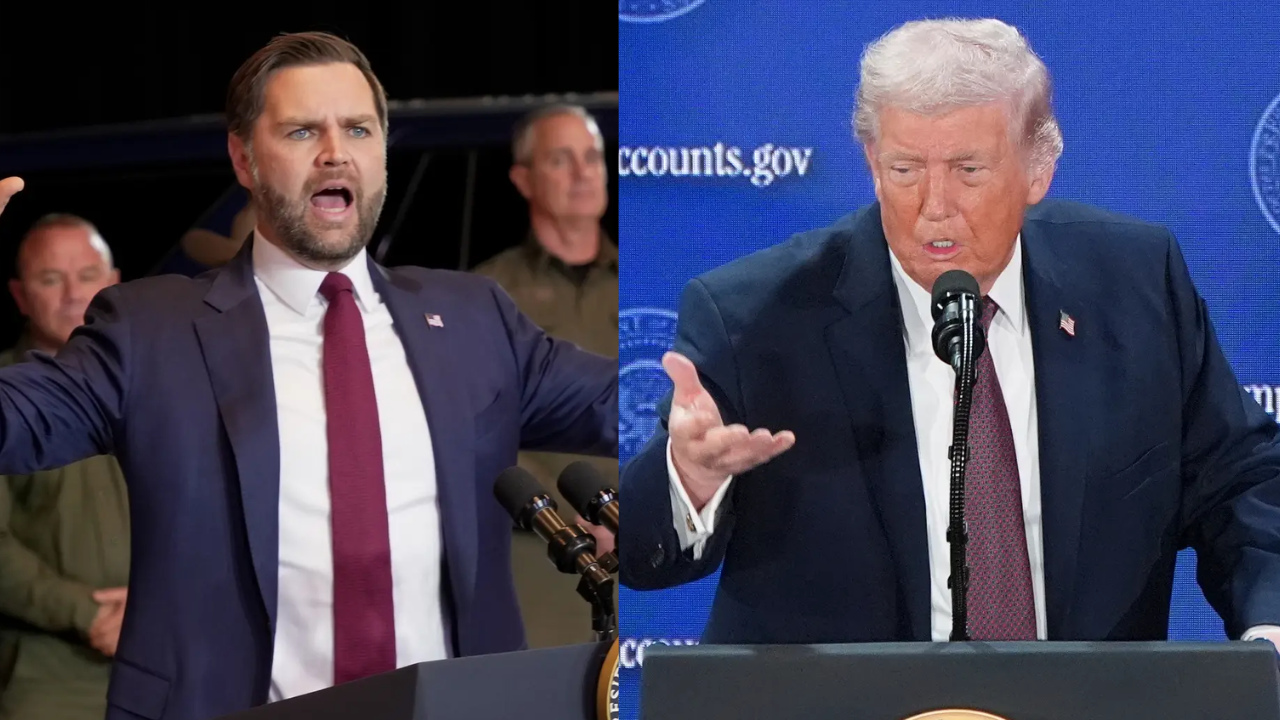
President Trump recently shared details about how Vice President JD Vance views military action against Iran. Trump noted that while Vance has a slightly different way of thinking about the history of the conflict, the two leaders are in full agreement regarding recent airstrikes. This news comes as many people have been watching the relationship between the two leaders to see if they agree on major foreign policy decisions. Trump made it clear that any differences in their views do not stop them from taking strong action when they believe it is necessary for the country.
Main Impact
The main impact of these comments is the clarity they provide on the inner workings of the current administration. By speaking openly about Vance’s perspective, Trump is showing that his team can have internal debates while still presenting a united front to the world. This is important for national security because it shows that military decisions are being discussed from multiple angles. It also helps to calm concerns that there might be a deep divide between the President and his Vice President on how to handle threats from abroad.
Key Details
What Happened
During a recent discussion, President Trump was asked about his Vice President’s stance on the ongoing tensions with Iran. Trump explained that JD Vance was "philosophically a little bit different" when looking at how the conflict with Iran began. This suggests that Vance may have a more cautious view of how the United States gets involved in Middle Eastern wars. However, Trump was quick to point out that this did not lead to any real disagreement when it came time to order airstrikes. He defended the military actions as a necessary step to protect American interests and stated that Vance supported the decision to move forward.
Important Numbers and Facts
Trump emphasized that the decision to use airstrikes was not a point of contention. While he did not list specific dates or the number of missiles used in this particular talk, the focus was on the policy shift. The key fact remains that the administration wants to show it is acting with a clear purpose. Trump’s use of the word "philosophically" highlights that their differences are more about general ideas than about specific, immediate actions. This distinction is vital for understanding how the two leaders approach global problems together.
Background and Context
To understand why this matters, it is helpful to look at JD Vance’s history. Before becoming Vice President, Vance was known for being critical of long-term military involvements in foreign countries. He often spoke about the need to focus on problems at home rather than spending money and lives on "forever wars." Because of this, many political experts wondered if he would push back against military strikes in the Middle East. On the other hand, Donald Trump has a history of using military force as a tool for negotiation and deterrence. Seeing how these two styles blend is a major point of interest for those following the government’s actions.
Public or Industry Reaction
The reaction to Trump’s comments has been mixed. Some political analysts believe that having a Vice President who asks tough questions about military action is a good thing. They argue it prevents the government from making fast decisions without thinking about the long-term results. Others, however, worry that any sign of a difference in opinion could be seen as a weakness by other countries. Despite these different views, the general feeling is that the administration is trying to show it is thoughtful but ready to act. Supporters of the President seem happy that he is being transparent about how his team works together.
What This Means Going Forward
Looking ahead, we can expect to see more of this dynamic. As the situation with Iran continues to change, the public will likely see more instances where Vance’s cautious approach meets Trump’s direct style. This could lead to a more balanced foreign policy that tries to avoid long wars while still using force when needed. The next steps will involve monitoring how the US responds to any further provocations. If the administration continues to act with unity, it will prove that their "philosophical" differences are not a hurdle to effective leadership. It also sets a pattern for how they might handle other global issues in the future.
Final Take
The relationship between a President and a Vice President is always complex, especially when it comes to war and peace. Trump’s comments show that while he and Vance might not see every historical detail in the same way, they are committed to the same goals. This balance of different perspectives could be a key part of how the administration makes big decisions. It shows a government that is willing to talk through different ideas before taking a final, unified step toward national safety.
Frequently Asked Questions
Did JD Vance oppose the airstrikes on Iran?
No, President Trump stated that there was no real disagreement over the strikes and that Vance supported the decision to take military action.
What did Trump mean by "philosophically different"?
This means that Vance and Trump have different basic ideas or theories about how the conflict started or how the US should generally handle foreign wars, even if they agree on what to do right now.
Is there a conflict between Trump and Vance on foreign policy?
Trump insists there is no conflict. He described their different views as a matter of perspective rather than a disagreement that stops them from working together effectively.

