
Summary
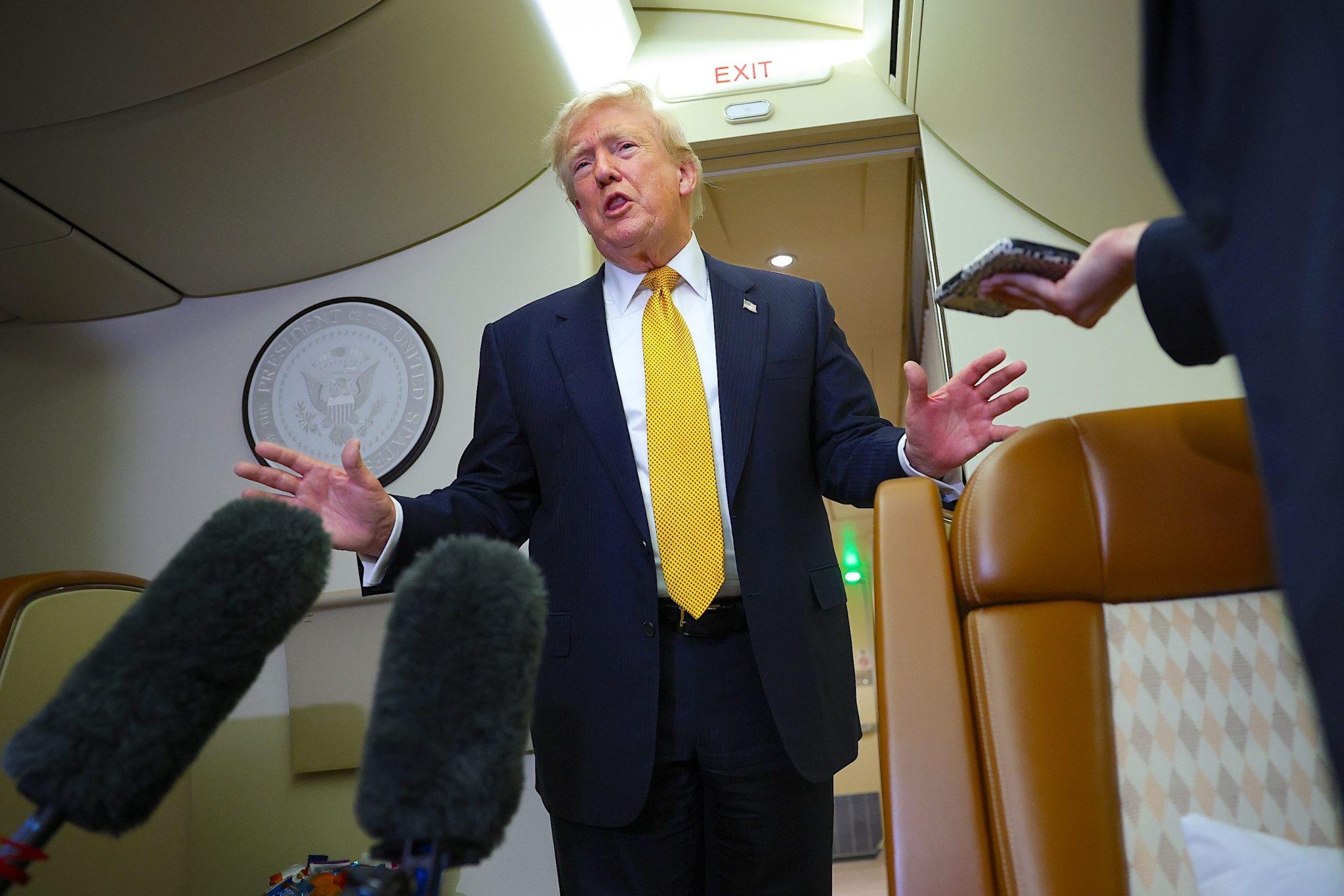
President Donald Trump has threatened Iran with more bombing as tensions in the Middle East reach a new high. The warning comes as the United States faces a decline in its missile stockpiles and the Strait of Hormuz, a key oil shipping route, has been shut down. Experts say there is no clear endgame in sight, raising concerns about a prolonged conflict.
Main Impact
The latest threat from Trump signals a potential escalation in the U.S.-Iran standoff. The closure of the Strait of Hormuz, through which about 20% of the world's oil passes, has already disrupted global energy markets. At the same time, the U.S. military is reportedly running low on precision-guided missiles, which could limit its ability to sustain a long campaign. This combination of factors has created a volatile situation with no clear resolution.
Key Details
What Happened
On July 15, 2026, President Trump warned that the U.S. would carry out more bombing strikes against Iran if necessary. This follows a series of U.S. airstrikes on Iranian targets in recent weeks. The Strait of Hormuz, a narrow waterway between Iran and Oman, has been effectively closed due to Iranian naval mines and attacks on commercial ships. The U.S. Navy has been unable to fully reopen the strait, leading to a sharp rise in oil prices.
Important Numbers and Facts
The U.S. military has used a significant portion of its missile arsenal in the ongoing strikes. According to defense officials, stockpiles of key munitions, such as Tomahawk cruise missiles and Joint Direct Attack Munitions (JDAMs), have dropped by more than 30% since the start of operations. The Strait of Hormuz closure has caused oil prices to jump by over 15% in the past week, with Brent crude trading above $95 per barrel. Meanwhile, China's export trade has largely shrugged off U.S. tariffs, continuing to grow at a steady pace.
Background and Context
The U.S. and Iran have been locked in a bitter rivalry for decades, but tensions have spiked sharply since Trump withdrew from the nuclear deal in 2018. The current crisis began after Iran attacked a U.S. military base in Iraq, killing several American soldiers. The U.S. responded with airstrikes on Iranian military sites, but the conflict has since expanded. The Strait of Hormuz is a critical chokepoint for global oil shipments, and its closure threatens to trigger a worldwide economic slowdown. The U.S. has tried to pressure other nations to help secure the strait, but few have stepped forward.
Public or Industry Reaction
Reaction to the developments has been mixed. Many U.S. lawmakers, including some Republicans, have expressed concern about the lack of a clear strategy. "We are bombing without a plan," said Senator James Lankford. "That is not how you win a war." Oil industry executives have warned that prolonged disruption to the Strait of Hormuz could lead to fuel shortages and higher prices for consumers. In Iran, state media has portrayed the U.S. threats as a sign of weakness, claiming that the U.S. is running out of options. International allies, including European nations, have called for an immediate ceasefire and renewed diplomacy.
What This Means Going Forward
The situation remains highly unpredictable. If the U.S. continues to deplete its missile stockpiles, it may be forced to scale back operations or rely on less precise weapons, which could increase civilian casualties. The closure of the Strait of Hormuz shows no signs of ending soon, meaning oil prices could stay high for months. Without a clear endgame, the risk of a wider war involving other regional powers, such as Saudi Arabia or Israel, grows. Diplomatic efforts have so far failed to gain traction, and both sides appear unwilling to back down.
Final Take
The U.S. is now in a dangerous position: it has the military power to strike Iran but not the resources to sustain a long conflict. The Strait of Hormuz closure is a major blow to the global economy, and the lack of a clear exit strategy raises the stakes for everyone. Until a diplomatic solution is found, the world will be watching closely as the situation unfolds.
Frequently Asked Questions
Why is the Strait of Hormuz important?
The Strait of Hormuz is a narrow waterway between Iran and Oman. About 20% of the world's oil passes through it. If it is blocked, oil prices can rise sharply, and countries that rely on oil imports may face shortages.
How many missiles has the U.S. used in the Iran strikes?
Defense officials say the U.S. has used more than 30% of its stockpile of key missiles, including Tomahawk cruise missiles and JDAMs. This has raised concerns about the military's ability to continue operations at the same pace.
Is there a chance for peace?
Diplomatic efforts are ongoing, but both the U.S. and Iran have taken hardline positions. International allies, including European nations, are pushing for a ceasefire. However, without a clear agreement, the risk of further escalation remains high.



