
Summary
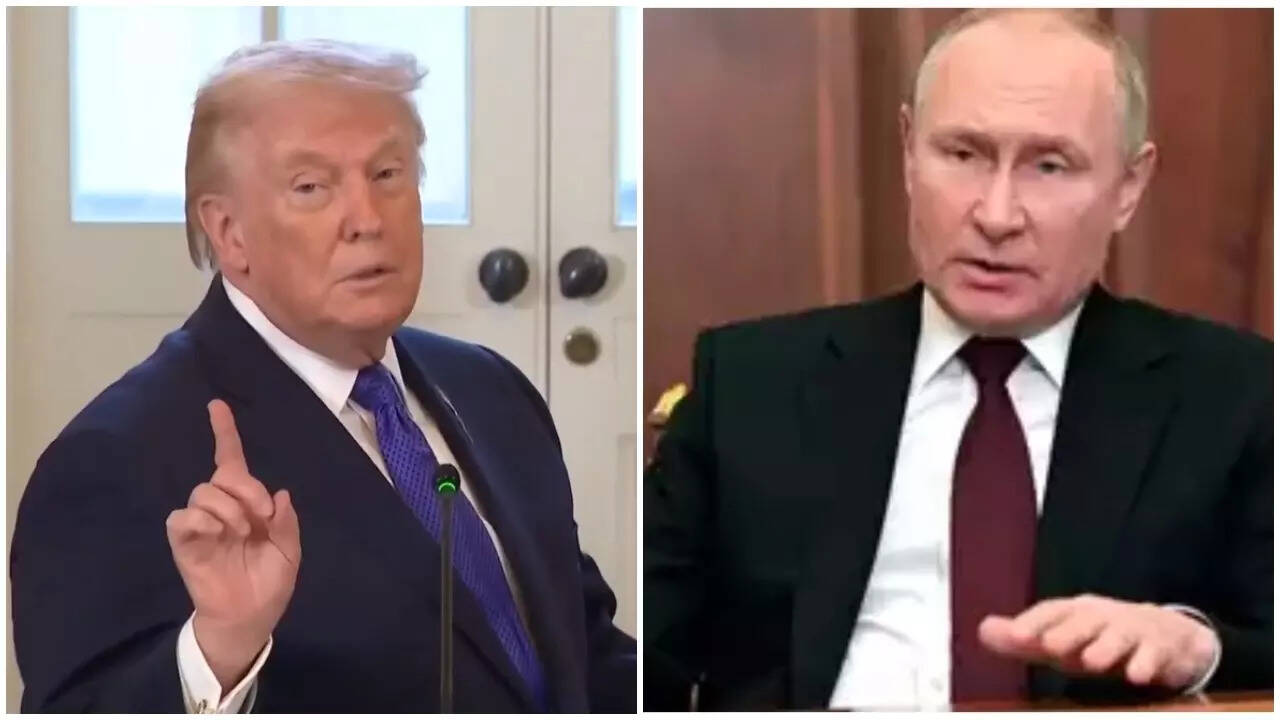
Former President Donald Trump recently suggested that Russian leader Vladimir Putin might be providing assistance to Iran. This claim highlights a growing concern about the secret cooperation between two of the West's biggest rivals. Trump compared this potential support to the way the United States provides military and financial aid to Ukraine. These comments come at a time when global tensions are high, and the relationship between Russia and Iran is under intense scrutiny by international leaders.
Main Impact
The suggestion that Russia is helping Iran could change how the world views the current conflicts in both Europe and the Middle East. If Russia is providing intelligence or military support to Iran, it means the war in Ukraine and the tensions in the Middle East are more connected than previously thought. This development could force the United States and its allies to change their defense plans. It also makes it harder for diplomats to find peaceful solutions because they now have to deal with a powerful partnership between Moscow and Tehran. This shift could lead to more sanctions and a more aggressive stance from Western nations to prevent these two countries from gaining too much influence.
Key Details
What Happened
During a recent public discussion, Donald Trump spoke about the possibility of Russia aiding Iran in its ongoing regional struggles. This was a notable change in his tone, as he had previously been more skeptical of reports regarding such a partnership. Trump pointed out that just as the U.S. stands behind Ukraine, Putin might be standing behind Iran. This comparison suggests that major world powers are picking sides in a way that could lead to a larger global divide. While Trump did not provide specific evidence during his talk, his words have sparked a new conversation about the hidden ties between these nations.
Important Numbers and Facts
The relationship between Russia and Iran has grown significantly over the last two years. Reports show that Iran has supplied Russia with hundreds of drones used in the Ukraine conflict. In return, there are concerns that Russia is sharing advanced satellite data and military technology with Iran. A U.S. envoy recently mentioned that Russia has officially denied sharing intelligence with Iran. However, the envoy also noted that the U.S. is watching the situation very closely and hopes that Russia’s denial is true. The date of this report, March 13, 2026, marks a point where these international relations are reaching a critical stage.
Background and Context
To understand why this is important, we have to look at why Russia and Iran are working together. Both countries are currently facing many restrictions and punishments from the international community, often called sanctions. Because they are cut off from much of the world's economy, they have turned to each other for help. Russia needs weapons and technology to continue its efforts in Ukraine, and Iran is one of the few countries willing to provide them. On the other side, Iran wants to modernize its military and improve its spying capabilities. By helping each other, they hope to weaken the influence of the United States and its partners. This "partnership of necessity" has turned into a serious challenge for global security.
Public or Industry Reaction
The reaction to Trump’s comments has been mixed. Some political experts believe he is right to point out the dangers of a Russia-Iran alliance. They argue that the U.S. must take these threats seriously to protect its interests in the Middle East. Others are more cautious, suggesting that without clear proof, such claims could make a tense situation even worse. Within the military industry, there is a growing focus on how to counter Iranian drones that use Russian technology. Diplomats are also worried that if Russia is indeed helping Iran, it will be almost impossible to stop Iran’s nuclear program or bring stability to the region. The general feeling is one of deep concern and a need for better intelligence to find out the truth.
What This Means Going Forward
In the coming months, we can expect the U.S. government to increase its efforts to track shipments and communication between Russia and Iran. If more evidence of their cooperation is found, it could lead to new laws and even stricter sanctions. This situation also puts pressure on other countries, like China, to decide where they stand. The U.S. might also decide to give more advanced weapons to its own allies in the Middle East to balance out the help Iran might be getting from Russia. The path forward is full of risks, and the chance of a larger conflict remains a major worry for leaders around the world. Monitoring this relationship will be a top priority for intelligence agencies for a long time.
Final Take
The idea that Putin is helping Iran shows that the world's problems are no longer separate. What happens in a war in Europe can have a direct effect on the peace of the Middle East. As these alliances become stronger, the job of keeping the world safe becomes much harder. It is clear that the actions of one country can start a chain reaction that affects everyone. Staying informed and understanding these complex relationships is the only way to prepare for the challenges that lie ahead in international politics.
Frequently Asked Questions
Why did Trump compare Iran to Ukraine?
Trump used the comparison to show how major powers support their allies. He suggested that just as the U.S. helps Ukraine with money and weapons, Russia might be doing the same for Iran to increase its own power.
Has Russia admitted to helping Iran?
No, Russia has officially denied sharing intelligence or secret information with Iran. However, many Western officials remain skeptical because of the military equipment, like drones, that the two countries have already traded.
What kind of help could Russia give to Iran?
Experts believe Russia could provide Iran with advanced fighter jets, better air defense systems, and satellite intelligence. This kind of help would make Iran's military much stronger and more difficult for other countries to deal with.

