
Summary
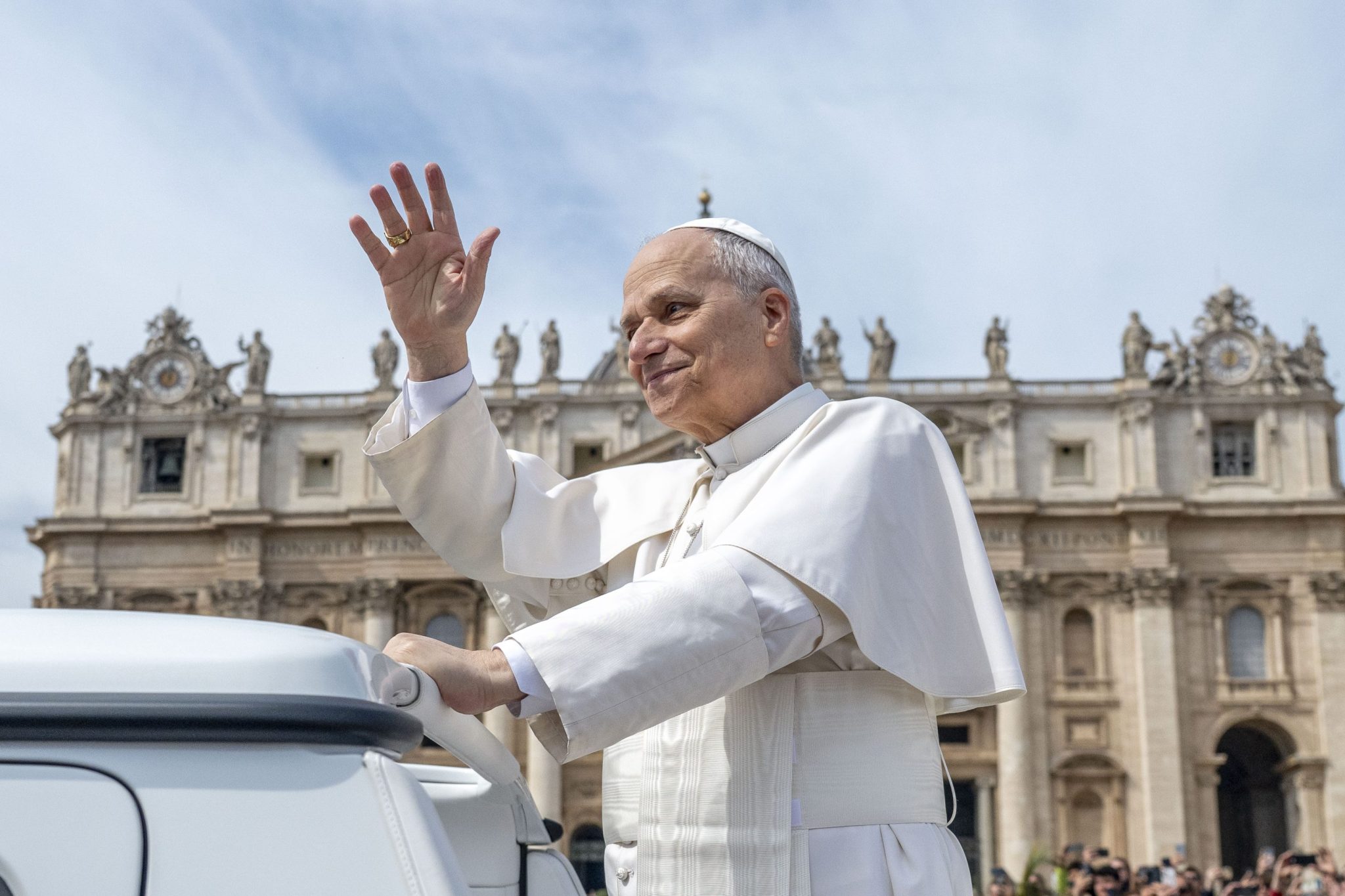
President Donald Trump is facing strong criticism from Catholic leaders across the United States after a series of public arguments with Pope Leo XIV. The disagreement began when the Pope spoke out against the President’s military plans regarding Iran, calling them unacceptable. In response, the President used social media to attack the Pope’s character and political views. This public fight is creating a divide between the government and a major religious group that helped the President win the last election.
Main Impact
The main impact of this conflict is the potential loss of support from Catholic voters. In the 2024 election, this group was a major reason for the President's victory. Now, influential bishops and religious organizations are publicly siding with the Pope. This shift could make it much harder for the Republican party to win in the upcoming midterm elections. By insulting the head of the Catholic Church, the President risks pushing away millions of people who see the Pope as a moral authority rather than a political opponent.
Key Details
What Happened
The tension started when Pope Leo XIV criticized the President’s plan to target civilian infrastructure in Iran. During an Easter Mass, the Pope called for peace and asked those with weapons to stop fighting. The President responded on social media by calling the Pope "weak on crime" and labeling his views as liberal. He also suggested that the Pope only holds his position because of the current U.S. administration. The situation grew worse when the President shared an AI-generated image that compared him to Jesus Christ, which many religious leaders found highly offensive.
Important Numbers and Facts
Catholic voters are a very important group in American politics, making up about 20% of the total voting population. In 2024, the President won 55% of the Catholic vote, while his opponent received 43%. This was a big change from 2020, when the vote was split almost evenly at 50% to 49%. Because Catholics are considered a "swing group," even a small change in their support can decide the outcome of an election. Several high-ranking Church officials, including the president of the U.S. Catholic bishops' conference, have now issued formal statements against the President's words.
Background and Context
This is not the first time a U.S. President has disagreed with the Vatican. In the past, leaders have argued over topics like border walls, abortion, and medical research. However, the current fight is different because it involves direct personal insults and a debate over the rules of war. The Catholic Church follows a set of ideas called "Just War theory." This teaching says that war is only okay if it is for self-defense and if all efforts to find peace have failed. The Pope believes the current military plans do not meet these standards, while the administration argues that their actions are necessary for national security.
Public or Industry Reaction
The reaction from religious leaders has been swift and mostly negative toward the President. Archbishop Paul Coakley stated that the Pope is not a politician or a rival. Even religious leaders who usually support the President, like Bishop Robert Barron, called the comments disrespectful and said an apology is needed. The Ancient Order of Hibernians, a large Irish Catholic group, called the President’s social media posts an act of "sacrilege." They argued that mocking the Pope and using religious imagery for politics is a sign of disrespect to over a billion people worldwide.
What This Means Going Forward
Moving forward, the President must decide if he will try to fix his relationship with Catholic leaders or continue the fight. If the attacks continue, more religious voters may feel they have to choose between their faith and their political party. The Pope has already stated that he is not afraid of the administration and will continue to speak his mind. This means the tension is unlikely to go away on its own. For the Republican party, the risk is that a large part of their voting base might stay home or vote for other candidates during the next election cycle.
Final Take
The clash between the White House and the Vatican shows how quickly political support can change when faith and politics collide. While the President has often used bold language to handle his critics, attacking a global religious leader like the Pope is a different kind of challenge. This situation is no longer just about military policy; it has become a test of loyalty for millions of American Catholics. How this group reacts in the coming months will likely shape the future of the current administration.
Frequently Asked Questions
Why is the Pope arguing with the President?
The Pope criticized the President's military plans in Iran, specifically the idea of targeting civilian infrastructure. He believes these actions are not peaceful and go against religious teachings about war.
How did Catholic leaders in the U.S. respond?
Many U.S. bishops and Catholic organizations have defended the Pope. They called the President's social media posts disrespectful and asked him to stop using religious images for political reasons.
Why do Catholic voters matter in U.S. elections?
Catholics make up about one-fifth of all voters. Because they often switch between supporting Democrats and Republicans, they are a key group that can decide who wins a national election.



