Summary
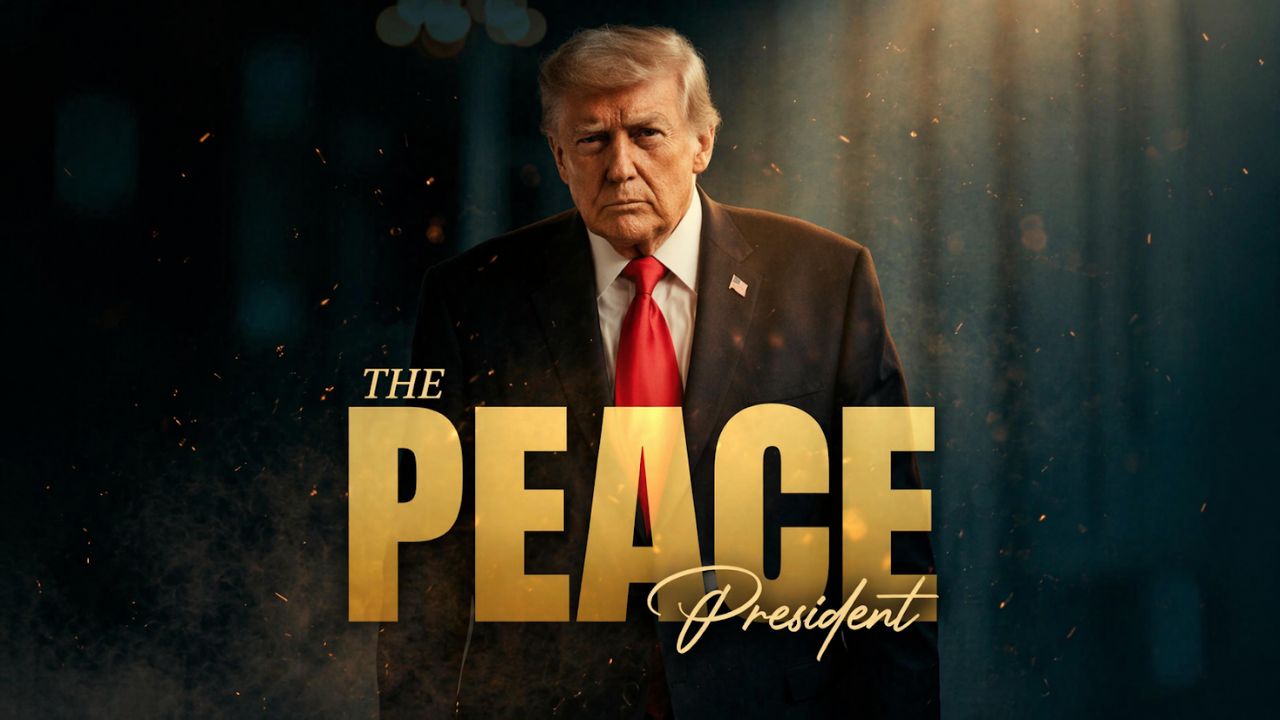
Donald Trump has recently branded himself as "The Peace President," claiming a successful track record of ending international conflicts. He told the public to trust his leadership rather than listening to those he calls "panicans," or people who worry too much about the threat of war. While he highlighted progress in the Middle East, including a ceasefire between Israel and Lebanon, he also issued a strong warning to Iran. He stated that military action is still a possibility if diplomatic talks do not lead to a resolution.
Main Impact
The main impact of this development is a shift in how the United States handles high-stakes foreign policy. By using the title "The Peace President," Trump is attempting to change the public conversation from the fear of war to the hope of stability. This approach aims to reassure global markets and domestic voters that the current administration can handle complex crises without entering long-term battles. However, the mixed message of promising peace while threatening military force creates a tense atmosphere for international relations, especially regarding oil shipping routes and Middle Eastern security.
Key Details
What Happened
In a recent series of statements, Donald Trump focused on his role in cooling down global tensions. He specifically pointed to the "reopening" of the Strait of Hormuz as a major victory for global trade. He also spoke about a reported ceasefire between Israel and Lebanon, suggesting that his influence helped bring both sides to an agreement. To describe people who are constantly worried about the outbreak of a major war, he used the term "panicans," urging his followers to ignore the fear-mongering and trust his ability to make deals.
Important Numbers and Facts
Trump made a bold claim that he has settled eight different wars during his time in leadership. While he did not list every specific conflict in this statement, the number is meant to show a pattern of successful deal-making. A major point of contention involves the Strait of Hormuz. Trump claimed his actions kept this vital waterway open, but officials in Iran have disputed this. They claim the waterway was never closed and that the situation is being described inaccurately for political reasons. Additionally, the ceasefire in Lebanon is a key part of this narrative, as it represents a pause in one of the most active conflict zones in the world.
Background and Context
To understand why this matters, one must look at the importance of the Strait of Hormuz. This narrow stretch of water is one of the most important places in the world for the oil industry. A large portion of the world's petroleum passes through this area every day. If the strait is blocked or even threatened, gas prices across the globe can shoot up almost instantly. This affects everything from the cost of driving a car to the price of shipping food to grocery stores.
Furthermore, the conflict between Israel and Lebanon has been a long-standing issue that involves many different groups and interests. Any sign of a ceasefire is usually seen as a major step toward regional stability. Trump’s branding as a "Peace President" is a strategy to show that he can solve these old problems using a business-like approach to diplomacy, often referred to as "peace through strength."
Public or Industry Reaction
The reaction to these claims has been divided. Supporters of the president praise his direct style and believe his willingness to talk to rivals prevents unnecessary fighting. They see the "Peace President" label as a fair description of a leader who wants to bring soldiers home. On the other hand, critics and some international analysts are skeptical. They point out that threatening Iran with military strikes seems to go against the idea of being a peaceful leader. Industry experts in the energy sector are staying cautious, as any sudden change in the Middle East could still cause volatility in oil prices. Iran’s quick denial of the claims regarding the Strait of Hormuz also suggests that diplomatic tensions are far from over.
What This Means Going Forward
Looking ahead, the success of this "peace" strategy depends on whether the ceasefires actually hold. If the agreement between Israel and Lebanon stays in place, it will give more weight to Trump’s claims. However, the situation with Iran remains the biggest risk. If negotiations fail and the U.S. decides to use military force, the "Peace President" image could be quickly challenged. The global community will be watching the Strait of Hormuz closely to see if shipping remains safe and if oil prices stay steady. For now, the focus is on whether these diplomatic deals can turn into long-term solutions rather than temporary breaks in fighting.
Final Take
Donald Trump is leaning heavily into his image as a master negotiator who can stop wars before they start. By telling the public to ignore the "panicans," he is asking for total confidence in his personal style of diplomacy. While the claims of reopening shipping lanes and ending wars are bold, the real test will be the lasting stability of the Middle East. True peace is measured by the absence of conflict over time, not just by the announcements made today.
Frequently Asked Questions
What does Trump mean by "panicans"?
This is a term Trump used to describe people who are overly worried or fearful about the possibility of war. He uses it to suggest that these people are reacting emotionally rather than trusting his leadership and deal-making skills.
Why is the Strait of Hormuz so important?
The Strait of Hormuz is a vital shipping route for the world's oil supply. Because so much oil passes through this narrow area, any conflict there can cause global energy prices to rise, affecting the economy worldwide.
Is there a confirmed ceasefire between Israel and Lebanon?
Trump has highlighted a reported ceasefire as a major success of his diplomacy. While there have been reports of a pause in fighting, the situation remains delicate, and international observers are watching to see if the peace will last.