Summary
President Donald Trump has issued a stern warning regarding the ongoing tensions with Iran. He stated that military action could resume quickly if a permanent peace agreement is not signed before the current ceasefire ends. The United States wants Iran to stop its nuclear weapons program completely. While American officials are ready to talk, Iran has not yet confirmed if it will join the negotiations.
Main Impact
The primary concern is a return to open conflict in the Middle East. If the ceasefire expires without a new agreement, the region faces the risk of large-scale bombing campaigns. This situation puts pressure on international leaders to find a diplomatic solution before time runs out. The threat of war affects global oil prices, international security, and the safety of millions of people. By setting a hard deadline, the US is trying to force Iran to make a choice between peace and conflict. This high-pressure tactic is designed to bring Iran to the negotiating table under specific American terms.
Key Details
What Happened
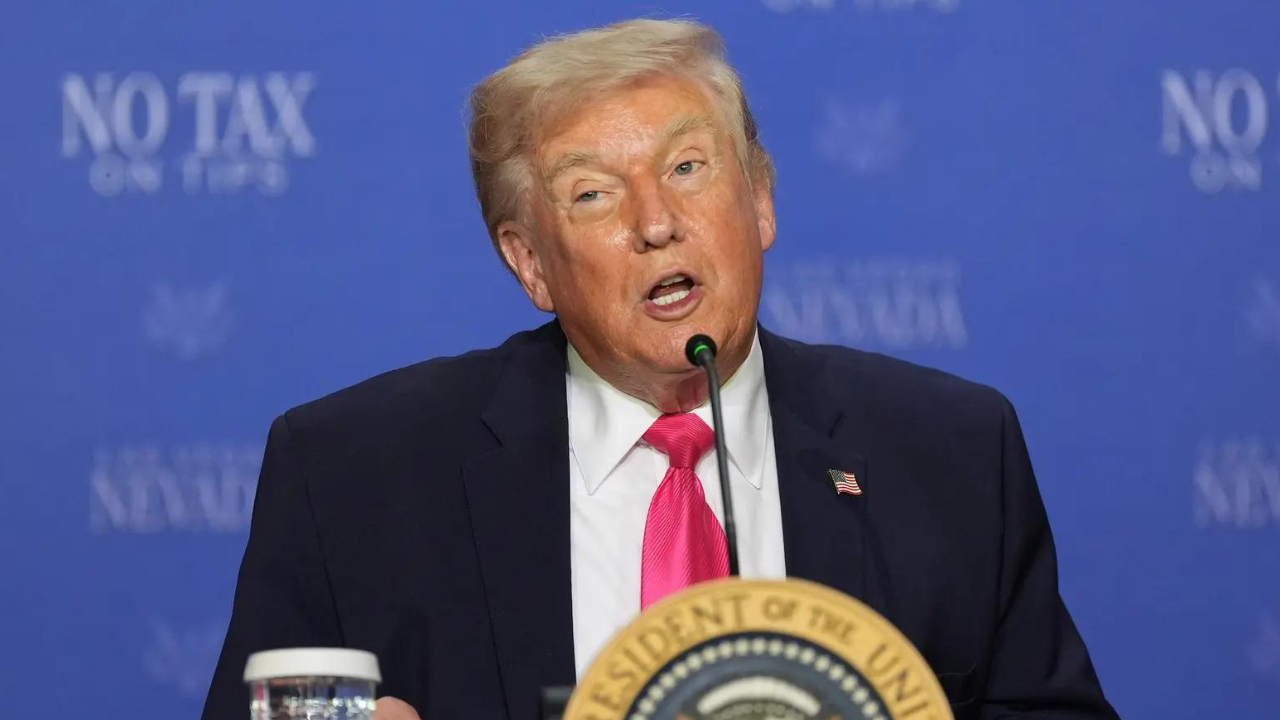
During a recent address, President Trump spoke about the expiration of the current ceasefire agreement. He made it clear that the pause in fighting is temporary. If the deadline passes without a signed treaty, the US military is prepared to resume operations. The President used direct language to describe the consequences of failure, saying "lots of bombs start going off." This suggests that the US military is prepared to act if diplomacy fails. The goal of these statements is to show that the United States will not wait forever for a diplomatic answer.
Important Numbers and Facts
The US delegation is currently preparing for a high-stakes meeting. The main goal of the US is to ensure Iran renounces nuclear weapons. This means Iran must agree to stop all work on nuclear bombs and allow inspectors to verify this. Iran has expressed hesitation, claiming they will not negotiate while under heavy economic or military pressure. So far, no official date for the meeting has been set because Iran has not confirmed its attendance. The current ceasefire has a specific end date, though the exact day has not been publicly released to the press.
Background and Context
The relationship between the US and Iran has been tense for decades. The main issue is Iran's nuclear program. The US and its allies fear that if Iran builds a nuclear bomb, it will lead to an arms race in the Middle East. Previous deals have been made and broken over the years. The current ceasefire was a temporary measure to stop fighting and allow for talks, but it was never meant to be permanent. For many years, the US has used sanctions and military threats to try to stop Iran from developing advanced weapons. They believe that if Iran has these weapons, it will make the world much more dangerous.
Public or Industry Reaction
Global markets are watching these developments closely. Energy experts warn that any new conflict could cause gas prices to rise significantly. Other world leaders are calling for calm, urging both sides to stay at the table. Some critics argue that the President's strong language makes it harder for Iran to agree to talks because they do not want to look weak. On the other hand, supporters of the administration say a strong stance is the only way to get results from a government that has resisted talks in the past. International organizations are hoping for a peaceful resolution to avoid a humanitarian crisis.
What This Means Going Forward
The next few weeks are critical for the region. If the US delegation can get Iran to the table, there is a chance for a long-term peace deal. However, if Iran continues to refuse, the risk of military strikes increases. The international community will likely try to mediate to prevent the ceasefire from ending in violence. The US will continue to push for a total ban on Iranian nuclear weapons as a starting point for any deal. If no progress is made, the end of the ceasefire could mark the beginning of a new and more dangerous phase of the conflict.
Final Take
The situation is at a breaking point. The choice is between a difficult diplomatic deal or a dangerous return to war. Clear communication and a willingness to compromise will be needed to avoid the violence the President described. While the US wants a world without an Iranian nuclear bomb, the path to getting there is full of risks. The coming days will show if diplomacy can win or if the region will face a new wave of conflict.
Frequently Asked Questions
What is the main demand from the United States?
The United States is demanding that Iran completely give up its nuclear weapons program and agree to a permanent peace deal.
Why is Iran hesitant to join the talks?
Iran has stated that it does not want to negotiate while it is under heavy military and economic pressure from the United States.
What happens if the ceasefire expires without a deal?
President Trump has warned that military action, including bombing campaigns, could begin if a new agreement is not reached before the deadline.