Summary
Tensions between the United States and Iran have reached a dangerous new level. President Donald Trump has issued a final 48-hour warning to the Iranian government to either reach a new agreement or open the Strait of Hormuz. If Iran does not comply, the President warned that "hell" would be brought upon them. This ultimatum follows a series of military incidents, including the shooting down of a U.S. fighter jet and a missile strike near an Iranian nuclear power plant.
Main Impact
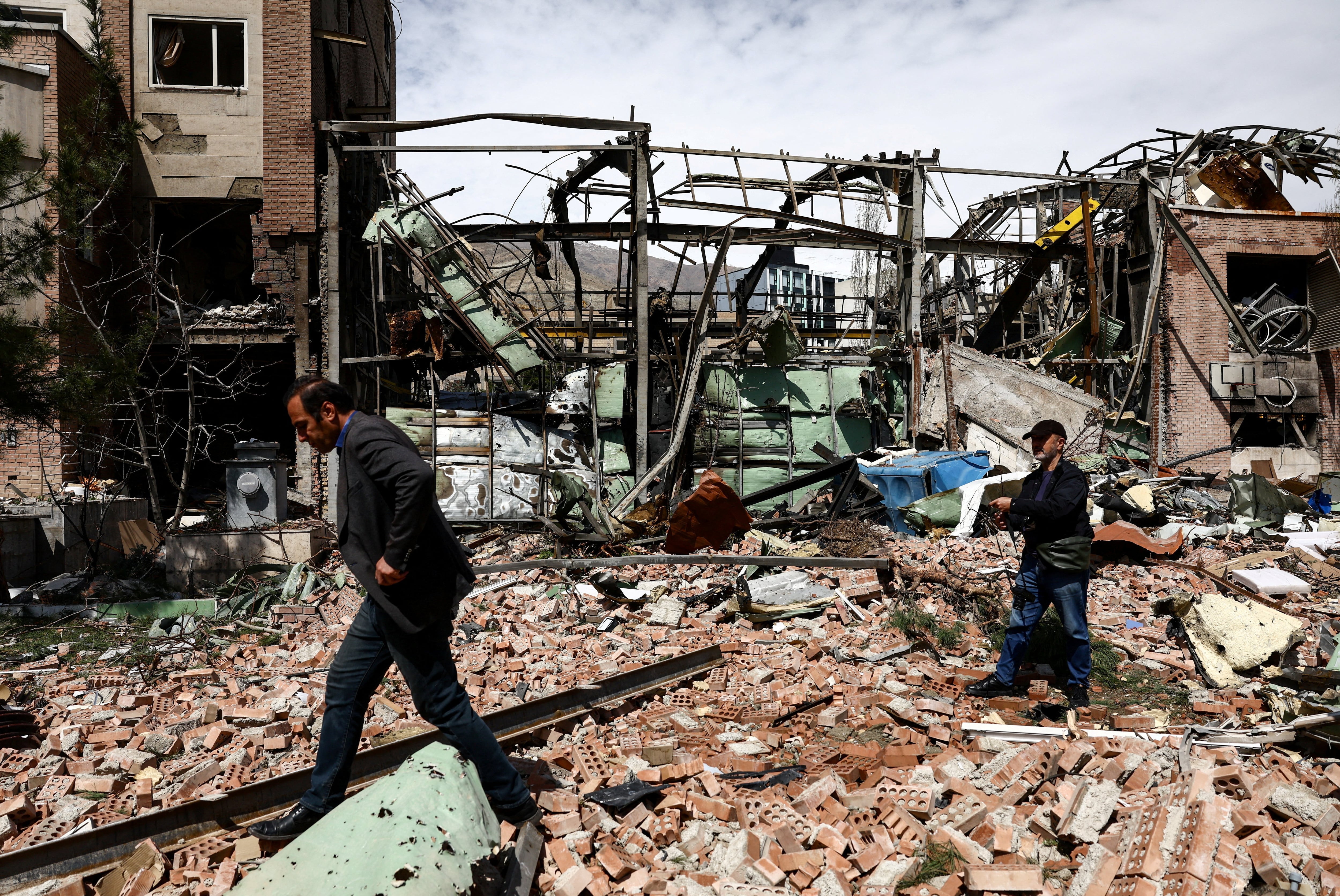
The immediate impact of this situation is the high risk of a full-scale military conflict in the Middle East. The Strait of Hormuz is one of the most important water passages in the world for shipping oil. If this area is closed or becomes a war zone, global energy prices could rise quickly, affecting economies everywhere. Furthermore, the threat of strikes on energy facilities and the recent activity near a nuclear site raise serious concerns about environmental safety and the loss of human life.
Key Details
What Happened
President Trump used his social media platform, Truth Social, to deliver the message. He reminded Iran that he had previously given them a 10-day window to act. With only 48 hours left, the pressure is now at its peak. This move comes at a time when diplomatic talks have reportedly stopped moving forward. Mediators from other countries have stated that they have reached a "dead end" in trying to find a peaceful solution between Washington and Teheran.
On the ground, the military situation is equally tense. A U.S. fighter jet was recently shot down by Iranian forces. While one member of the crew was rescued, another remains missing. The U.S. military is currently conducting a search for the missing person. In a move that has angered U.S. officials, Iran has offered a reward for the capture or location of the missing American military member.
Important Numbers and Facts
The timeline is the most critical factor right now, with less than 48 hours remaining on the U.S. clock. In a separate but related event, a missile hit an area near the Bushehr nuclear plant in southwestern Iran. This strike resulted in the death of one person. While the International Atomic Energy Agency (IAEA) confirmed that there have been no radiation leaks so far, the event has caused widespread fear about the safety of nuclear facilities during a war.
Background and Context
The conflict between the U.S. and Iran has been ongoing for many years, but it has become much worse in recent weeks. The Strait of Hormuz is a narrow path of water that connects oil-producing countries in the Middle East to the rest of the world. Because so much of the world's oil travels through this small area, any country that controls it has a lot of power over the global economy. The U.S. wants to ensure that ships can pass through freely, while Iran has often used its position there as a way to push back against international pressure.
The nuclear issue is another major part of this story. For a long time, the U.S. and its allies have been worried about Iran's nuclear program. The strike near the Bushehr plant shows how easily a traditional military conflict could turn into a nuclear disaster, even if nuclear weapons are not used. This is why international observers are watching the situation so closely.
Public or Industry Reaction
The international community is reacting with deep concern. Diplomatic mediators, who have spent weeks trying to prevent a war, are now expressing frustration. They feel that both sides are moving away from talking and toward fighting. Israel has already stated that it is preparing to attack Iranian energy sites as early as next week. However, Israeli leaders are waiting for a final "green light" from the United States before they begin their operation.
Energy experts are also worried. They warn that if the Strait of Hormuz is blocked, the supply of oil will drop significantly. This would lead to higher costs for gas and electricity for people all over the world. Many world leaders are calling for calm, but the window for a peaceful deal seems to be closing fast.
What This Means Going Forward
The next 48 hours will determine if there will be a major war or a last-minute peace deal. If Iran does not open the Strait or agree to a pact, the U.S. and Israel are likely to begin coordinated military strikes. These strikes would likely target oil refineries, power plants, and military bases. Such an event would change the security of the Middle East for a long time.
There is also the human cost to consider. With one U.S. military member still missing and people already dying near nuclear sites, the risk to lives is growing. If a full war starts, the number of casualties will likely rise quickly. The world is now waiting to see if Iran will make a move to satisfy the U.S. demands or if they will prepare for the "hell" that President Trump has promised.
Final Take
The situation has moved past simple threats and is now on the edge of a major military event. With diplomacy failing and military assets already being lost, the 48-hour deadline is a final warning. The choices made in the next two days will have a lasting effect on global safety and the world economy.
Frequently Asked Questions
What is the Strait of Hormuz?
It is a narrow waterway that is vital for the global oil trade. A large portion of the world's oil is shipped through this area, making it a key point of control in the Middle East.
What happened at the Bushehr nuclear plant?
A missile landed near the plant, killing one person. While it did not cause a radiation leak, it raised fears about the safety of nuclear sites during the current conflict.
Why is there a 48-hour deadline?
President Trump set this deadline as a final chance for Iran to reach a deal or open the Strait of Hormuz. If the deadline passes without action, the U.S. has threatened severe military consequences.