
Summary
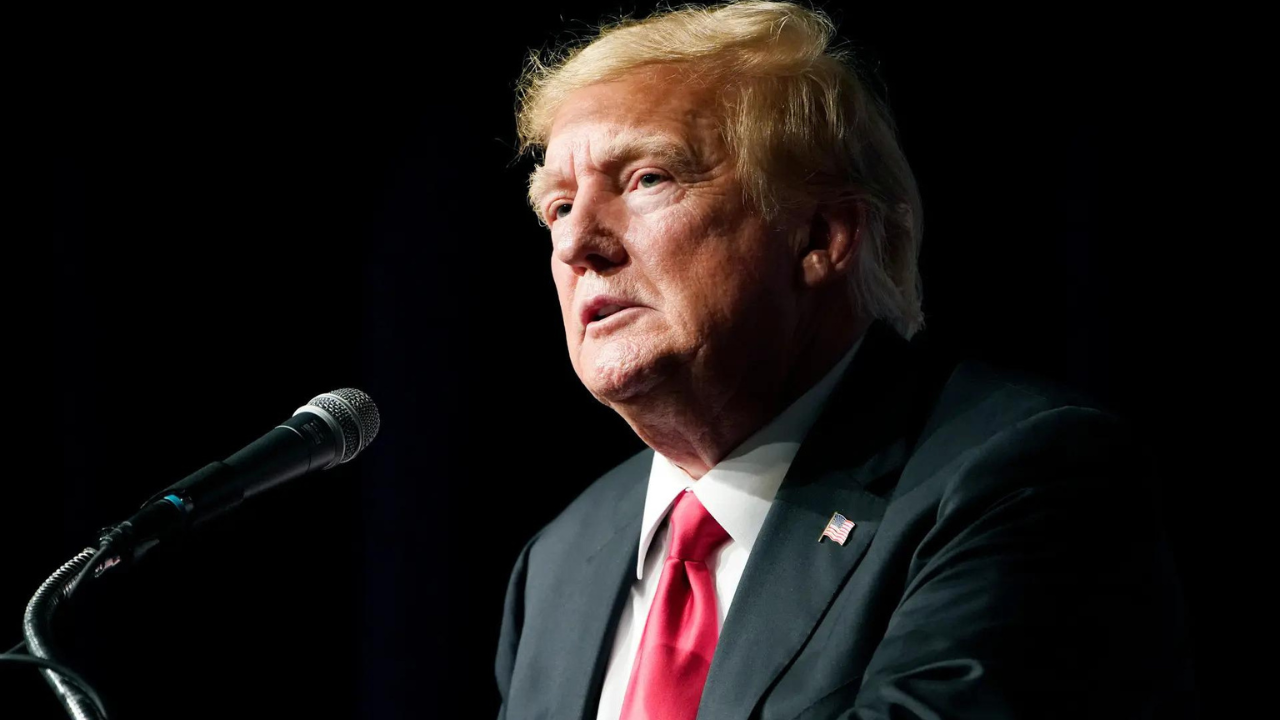
President Donald Trump has announced that the United States is nearing the completion of its military goals in the Middle East. While he is considering a plan to slow down military operations, he has firmly ruled out a formal ceasefire at this time. The president outlined specific objectives that must be met before the US fully changes its position. This announcement comes as leadership in Iran claims they have already secured a victory over the US and its allies.
Main Impact
The decision to move toward "winding down" military efforts marks a significant shift in American foreign policy. Instead of an open-ended conflict, the US is now focusing on a checklist of specific results. This approach aims to reduce the number of troops involved while still keeping heavy pressure on the Iranian government. By refusing a ceasefire, the US maintains the right to take military action if Iran does not meet the required conditions. This strategy is designed to protect US interests without keeping the country in a permanent state of war.
Key Details
What Happened
In a recent statement, President Trump explained that the US military has made enough progress to begin looking at the end of its current mission. He noted that the US is not looking for a long-term occupation but wants to ensure that Iran can no longer threaten the region. To do this, he has set five clear goals that the military must achieve. These goals focus on breaking Iran's ability to launch long-range attacks and stopping their pursuit of dangerous weapons technology. The president emphasized that the US will only pull back once these specific safety measures are in place.
Important Numbers and Facts
The announcement was made on March 21, 2026, following a period of intense military activity. The president listed five strategic objectives that serve as the foundation for this new plan. These include the total reduction of Iran's missile strength and a complete halt to their nuclear program. On the other side, Iran’s Supreme Leader, Ali Khamenei, has publicly stated that the "enemy has been defeated." This creates a situation where both nations are claiming they have the upper hand as the conflict enters a new phase.
Background and Context
The tension between the United States and Iran has been a major global issue for decades. The main concerns involve Iran’s nuclear ambitions and its role in supporting various fighting groups across the Middle East. The US has long argued that a nuclear-armed Iran would be a threat to world peace and global energy markets. Under the current administration, the US has used a mix of economic sanctions and military strikes to limit Iran's power. This latest move is an attempt to bring those efforts to a successful conclusion while avoiding a never-ending war.
Public or Industry Reaction
The reaction to this news has been mixed. Some international leaders are relieved to see a potential end to the fighting, hoping it will lead to more stability in oil prices and trade. However, some allies in the region worry that if the US leaves too quickly, Iran might regain its strength and start new conflicts. Within Iran, the government is using the news to boost morale. By claiming victory, the Iranian leadership is trying to show their citizens that their resistance against Western pressure was successful.
What This Means Going Forward
In the coming months, the world will likely see a change in how the US military is positioned. There may be a move toward using more technology, such as drones and satellite tracking, instead of large numbers of ground troops. The US will be watching closely to see if Iran continues to test missiles or work on nuclear materials. If Iran violates any of the five objectives set by Trump, the "winding down" process could stop immediately. The lack of a formal ceasefire means that both sides are still on high alert, and the risk of a new flare-up remains high.
Final Take
The US is attempting to close a difficult chapter in its history by setting clear rules for its departure. By focusing on five specific goals, the administration is trying to define what success looks like in a complicated region. While the talk of ending the war is a positive sign for many, the refusal to sign a ceasefire shows that the path to true peace is still full of obstacles. The next few months will determine if this plan leads to lasting safety or just a temporary break in the fighting.
Frequently Asked Questions
Is the US leaving the Middle East immediately?
No, the US is not leaving right away. President Trump said the military is "winding down" its efforts, which means a slow and careful reduction of activity as specific goals are met.
Why did President Trump rule out a ceasefire?
A ceasefire would legally stop the US from taking action if Iran does something wrong. By ruling it out, the US keeps the power to respond quickly if Iran continues its missile or nuclear programs.
What are the five goals the US wants to achieve?
The goals include weakening Iran's missile power, stopping them from getting nuclear weapons, ending their support for militant groups, protecting regional allies like Israel, and keeping international trade routes safe.

