
Summary
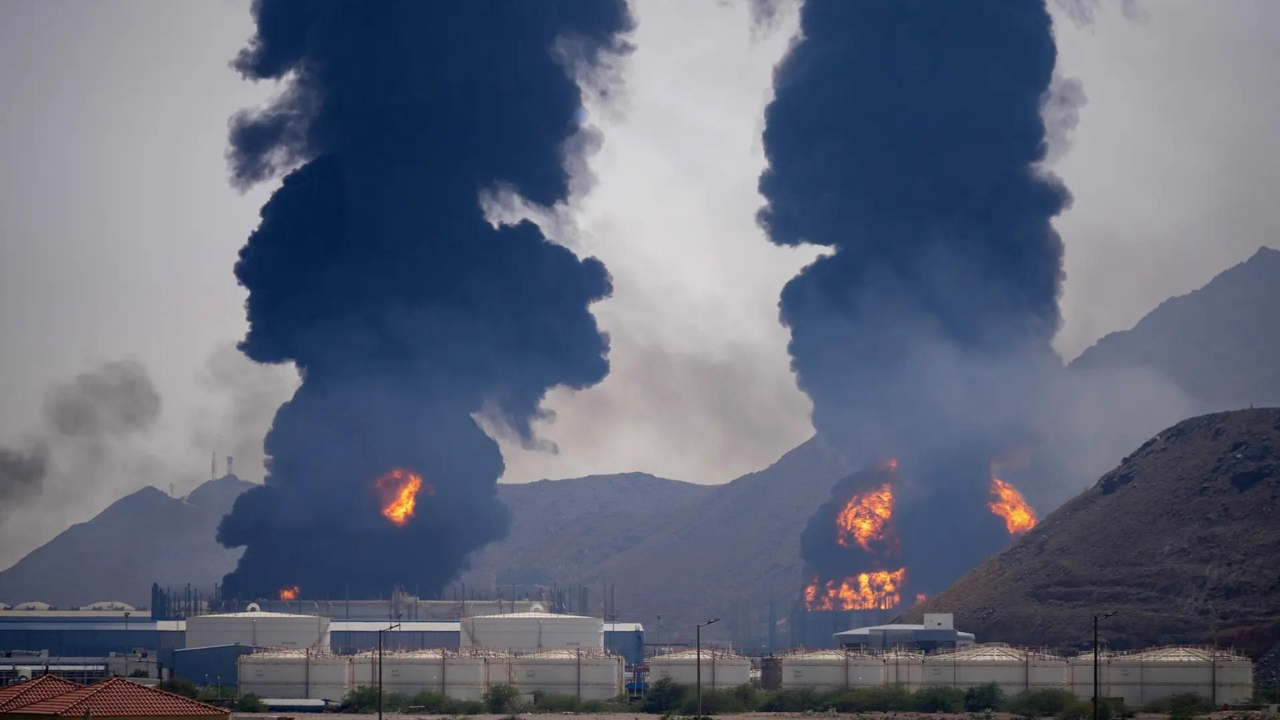
Donald Trump has made bold new claims regarding the ongoing tensions between the United States and Iran. He stated that the Iranian government is secretly desperate to reach a diplomatic agreement but is too terrified to admit it publicly. According to Trump, the leaders in Tehran are caught between the fear of a revolt from their own citizens and the threat of military action from the United States. This development highlights the high-stakes pressure currently facing the Iranian regime as regional conflicts continue to grow.
Main Impact
The primary impact of these statements is a renewed focus on the "maximum pressure" strategy against Iran. By suggesting that the Iranian leadership is living in fear, Trump is signaling that economic sanctions and military threats may be pushing the regime to a breaking point. This rhetoric influences how international allies and enemies view the stability of the Iranian government. If the public believes the regime is weak, it could encourage more internal protests or lead to a shift in how other countries handle their trade and diplomatic ties with Tehran.
Key Details
What Happened
During a recent update on the conflict involving the U.S., Israel, and Iran, Donald Trump spoke about the private motivations of the Iranian leadership. He claimed that despite their public shows of strength, the officials in Tehran are looking for a way out of their current situation. He argued that they want a deal to save their economy and maintain their grip on power, but they cannot find a way to do so without looking weak to their supporters or risking a violent backlash at home.
Important Numbers and Facts
The tension is backed by several years of intense economic data and military movements. Since the U.S. left the original nuclear deal years ago, Iran’s currency has lost significant value, leading to high prices for basic goods. Reports show that inflation in Iran has stayed at very high levels, causing widespread unhappiness among the population. Additionally, the U.S. has maintained a strong military presence in the region, with several carrier strike groups and advanced aircraft stationed nearby to support allies like Israel. These factors contribute to the "fear" that Trump mentioned in his recent comments.
Background and Context
To understand why this matters, it is important to look at the history of U.S.-Iran relations. For decades, the two countries have been at odds. The U.S. has accused Iran of supporting groups that cause trouble in the Middle East, while Iran claims the U.S. is trying to control the region. In 2015, a deal was made to limit Iran's nuclear program in exchange for lifting sanctions. However, the U.S. later walked away from that deal, leading to the current era of high tension. Today, the situation is even more complicated because of the direct and indirect fighting between Israel and Iranian-backed groups. This has put the entire region on edge, making any talk of a "deal" very significant.
Public or Industry Reaction
The reaction to Trump’s claims has been split. Supporters of his approach believe that being tough is the only way to bring Iran to the bargaining table. They argue that the regime only responds to strength and that the current pressure is working. On the other hand, some foreign policy experts worry that such aggressive language could backfire. They fear it might make the Iranian leaders feel they have no choice but to fight back to save face. In Iran, state media has generally dismissed these claims, calling them a form of psychological warfare designed to create confusion among the Iranian people.
What This Means Going Forward
Looking ahead, the big question is whether a new deal will actually happen. If Trump’s assessment is correct, we might see secret talks or a sudden shift in Iran’s foreign policy. However, the risk of a mistake leading to a larger war remains high. The U.S. will likely continue to use sanctions to squeeze the Iranian economy, while Israel will remain on high alert for any military moves. The next few months will be a critical time for diplomacy. If no deal is reached, the cycle of threats and military standoffs is expected to get even more intense, potentially involving more countries in the region.
Final Take
The situation between the U.S. and Iran is at a crossroads where words are just as important as weapons. Trump’s claim that Iran is "afraid" suggests a belief that the regime is nearing its limit. Whether this leads to a peaceful agreement or more conflict depends on how both sides handle the pressure in the coming weeks. For now, the world remains watchful as the power struggle in the Middle East enters a dangerous new phase.
Frequently Asked Questions
Why does Trump think Iran wants a deal?
Trump believes that the combination of a failing economy and the threat of military force has left the Iranian government with no other choice but to seek an agreement to stay in power.
What is the "maximum pressure" strategy?
This is a policy that uses heavy economic sanctions and military threats to force a country—in this case, Iran—to change its behavior or come to the negotiating table.
How does this affect the average person?
Tensions in this region often lead to higher oil prices, which can make gas and electricity more expensive worldwide. It also creates uncertainty in global markets and affects international travel and safety.

