
Summary
President Donald Trump has announced that he is unlikely to extend a ceasefire with Iran that is scheduled to end this Wednesday. This statement follows a serious incident where the US Navy seized an Iranian-flagged cargo ship near the Strait of Hormuz. The move has caused global oil prices to rise and has put a stop to hopes for a quick peace deal. As the deadline for the ceasefire approaches, the risk of a larger military conflict in the region is growing.
Main Impact
The decision to maintain a naval blockade and the refusal to prolong the ceasefire have immediate effects on the global economy. Because the Strait of Hormuz is a vital path for the world's energy supply, any disruption there causes fuel prices to climb everywhere. This situation has turned a regional war into a global energy crisis. Additionally, the seizure of the Iranian ship marks a shift from verbal threats to direct military action, making it much harder for diplomats to find a peaceful solution.
Key Details
What Happened
On Sunday, a US Navy guided-missile destroyer stopped an Iranian cargo ship named the Touska. According to US officials, the ship was trying to bypass a naval blockade that was put in place last week. The US military stated that they issued warnings for six hours before taking action. When the ship did not stop, the US destroyer fired at the vessel’s engine room to disable it. US Marines then boarded the ship and took control of it. It is currently unclear if anyone on the ship was injured during the encounter.
Important Numbers and Facts
The current conflict has already resulted in a high number of deaths. Iranian officials recently reported that at least 3,375 people have been killed in the war so far. The economic stakes are also very high. About 20% of the world’s oil trade passes through the Strait of Hormuz. Currently, hundreds of ships are stuck at both ends of the waterway, unable to move because of the blockade and threats of attack. The ceasefire that is now at risk was originally announced on April 7.
Background and Context
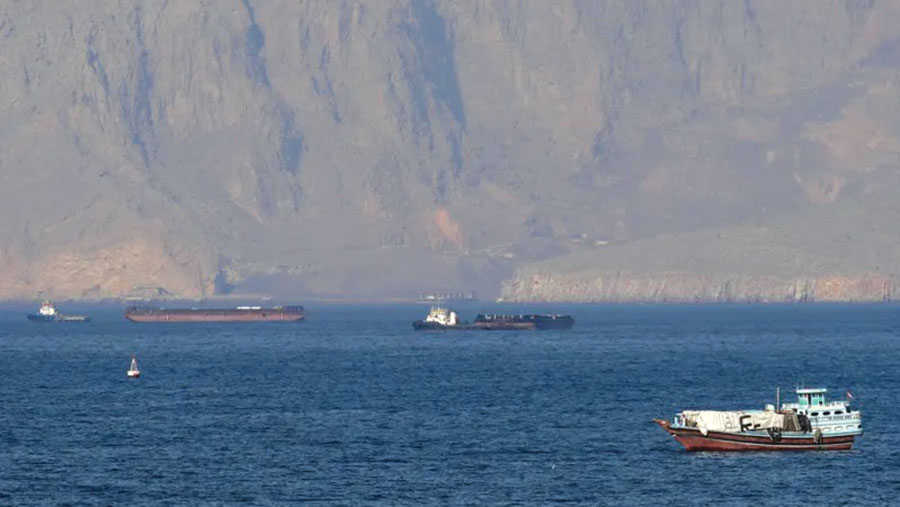
The Strait of Hormuz is one of the most important places in the world for shipping. It is a narrow stretch of water that connects oil producers in the Middle East to markets in Europe, Asia, and the Americas. If this path is blocked, the world loses a huge portion of its oil and natural gas. It is also a key route for moving fertilizer and humanitarian aid to countries like Afghanistan and Sudan. The US began blockading Iranian ports to force the Iranian government to agree to specific terms to end the ongoing war. Iran has responded by calling these actions illegal and threatening to stop all traffic through the strait.
Public or Industry Reaction
Iran has reacted strongly to the seizure of the Touska, calling the US action an act of "piracy." Iranian President Masoud Pezeshkian expressed deep distrust of the US government, suggesting that Washington cannot be trusted to keep its word in diplomatic talks. In the business world, energy analysts are worried. The uncertainty caused oil prices to spike almost immediately after the news of the ship seizure broke. Meanwhile, other countries in the region are trying to continue their own diplomacy. For example, Israel and Lebanon are planning to meet in Washington for talks, showing that some diplomatic efforts are still moving forward despite the US-Iran tension.
What This Means Going Forward
The next few days are critical. If the ceasefire expires on Wednesday without an extension, the US blockade will remain in full force. This likely means more military encounters at sea. Plans for US negotiators to meet with Iranian officials in Pakistan are now in doubt. If these talks do not happen, the chance of the war ending soon is very low. Shipping companies may continue to avoid the area, which will keep energy prices high and could lead to shortages of food and fuel in many parts of the world. The international community is watching closely to see if either side will back down before the Wednesday deadline.
Final Take
The seizure of the Iranian ship and the likely end of the ceasefire show that the standoff between the US and Iran is entering a more dangerous phase. With global energy security at risk and military actions increasing, the window for a peaceful resolution is closing fast. The world now waits to see if diplomacy can be saved or if the conflict will expand further.
Frequently Asked Questions
Why did the US seize the Iranian ship?
The US Navy seized the ship, called the Touska, because they say it tried to break a naval blockade. The US has blocked Iranian ports to pressure the country into a peace agreement.
When does the current ceasefire end?
The ceasefire is set to expire this Wednesday. President Trump has stated that he is highly unlikely to renew it unless a full agreement is reached.
How does this affect oil prices?
Because the Strait of Hormuz carries 20% of the world's oil, any conflict there makes investors nervous. This fear causes the price of oil to go up, which can lead to higher gas prices for consumers.



