
Summary
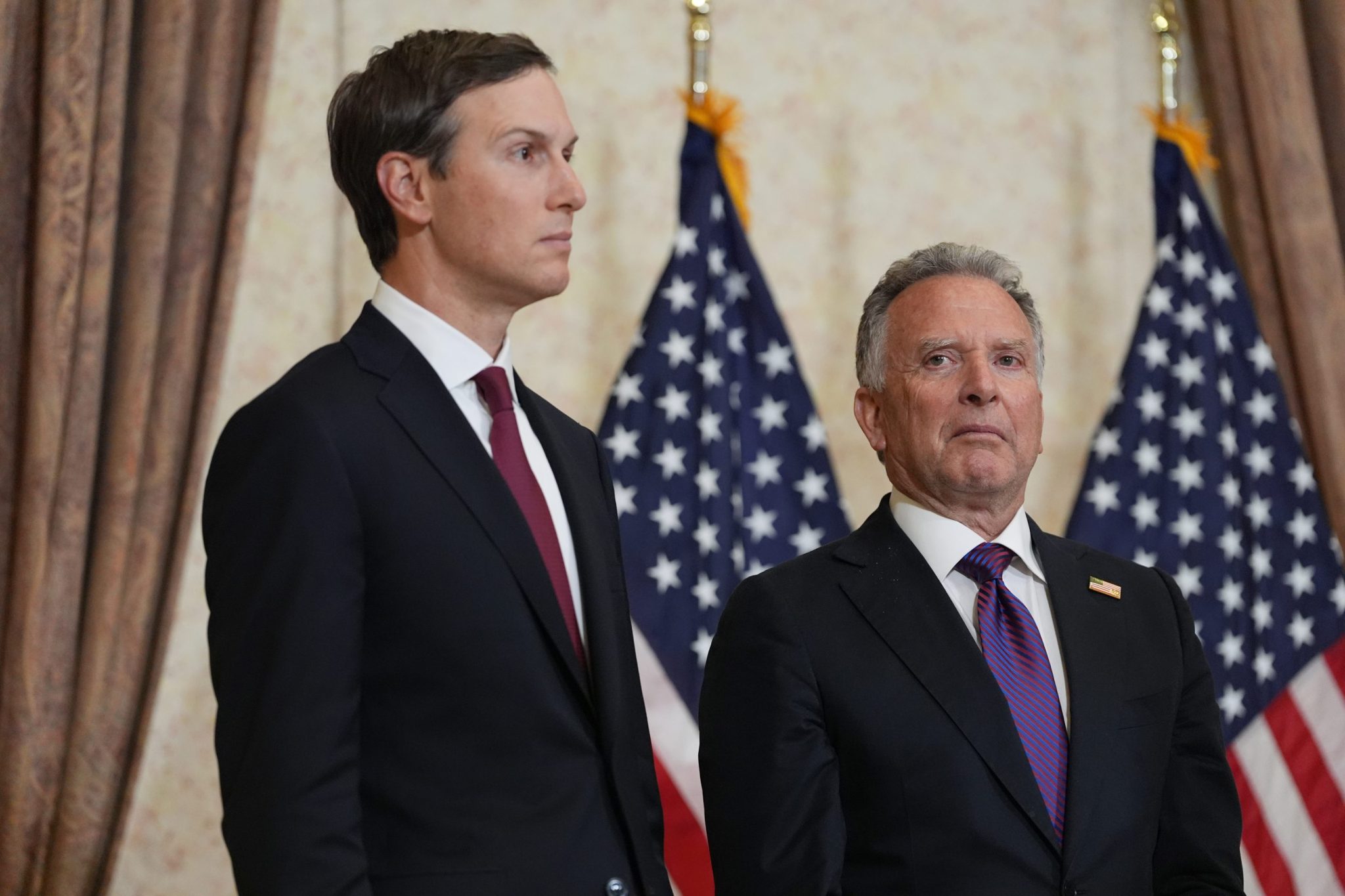
President Donald Trump has canceled a planned diplomatic mission to Pakistan that was intended to broker a ceasefire with Iran. Envoys Steve Witkoff and Jared Kushner were scheduled to travel to Islamabad for the talks, but the trip was called off after negotiations appeared to fail before they could begin. This development marks a significant setback in efforts to end the ongoing military conflict and reopen vital global shipping routes.
Main Impact
The cancellation of this high-level meeting means that the military standoff between the United States and Iran will likely continue without a clear path to peace. The most immediate impact is the continued closure of the Strait of Hormuz, a critical waterway for the world’s energy supply. Because a large portion of the world's oil passes through this area, the failure of these talks keeps energy prices high and creates uncertainty for the global economy. Furthermore, the lack of diplomatic progress increases the risk of further military clashes in the region.
Key Details
What Happened
The decision to stop the envoys from traveling came shortly after Iran’s top diplomat, Abbas Araghchi, left Pakistan. President Trump announced the change on social media, stating that traveling to the region was a waste of time and effort. He suggested that if Iranian leaders wanted to negotiate, they should simply call him directly. This move followed a period of intense tension where Iranian officials expressed doubt about U.S. intentions, especially as the U.S. military continues to blockade Iranian ports.
Important Numbers and Facts
The human and economic costs of this conflict are rising quickly. Reports indicate that at least 3,375 people have died in Iran and 2,496 have died in Lebanon since the fighting began. On the other side, 23 people in Israel and 13 U.S. service members have been killed. Economically, the price of Brent crude oil is now 50% higher than it was before the war started. This is largely because the Strait of Hormuz, which is currently restricted, usually carries 20% of the world’s oil supply.
Background and Context
The current war began two months ago with strikes involving the U.S., Israel, and Iran. Since then, the conflict has spread, involving groups like Hezbollah in Lebanon. A major point of contention is the Strait of Hormuz. Iran has used its military to control this narrow sea passage, while the U.S. has responded with a naval blockade to pressure the Iranian government. Earlier this month, Vice President JD Vance held direct talks with Iranian leaders, but those discussions did not lead to a lasting peace. Iran remains suspicious of the U.S. because previous diplomatic efforts regarding their nuclear program were followed by military attacks.
Public or Industry Reaction
Pakistan has been working hard to act as a neutral ground for both nations to talk. Prime Minister Shehbaz Sharif met with Iranian officials to discuss "red lines" that neither side should cross. However, the mood remains tense. Iran’s military command recently warned that they would provide a "strong response" if the U.S. continues its naval blockade. Meanwhile, international partners are preparing for the aftermath of the war. Germany’s Defense Minister announced that they are sending ships to help clear underwater mines from the sea once the fighting stops, highlighting how dangerous the region has become for commercial ships.
What This Means Going Forward
With formal talks canceled, the situation moves into a phase of "wait and see." President Trump’s demand for a direct phone call suggests he wants to move away from traditional meetings in favor of direct personal deals. However, Iran has stated they will only engage if the U.S. proves it is serious about ending the war and the blockade. In the short term, some commercial activity has resumed, such as flights leaving Tehran for the first time in two months. Despite this, the threat of more violence remains high as both militaries stay on high alert near the Iranian coast.
Final Take
The failure to start these talks in Pakistan shows how deep the lack of trust is between the U.S. and Iran. While a temporary ceasefire has slowed the fighting, the core issues of the blockade and the control of oil routes remain unsolved. Without a major change in strategy from either side, the world will continue to face high energy costs and the constant threat of a larger war.
Frequently Asked Questions
Why did Donald Trump cancel the trip to Pakistan?
Trump stated that traveling to Pakistan was a waste of time and that Iranian officials should call him directly if they want to negotiate a deal.
How has the war affected oil prices?
The price of international oil has increased by about 50% because the conflict has disrupted shipping through the Strait of Hormuz, a key route for global energy.
What is the current status of the fighting?
While a fragile ceasefire has paused some of the major combat, both the U.S. and Iran continue to make military threats, and the U.S. maintains a naval blockade on Iranian ports.



