Summary
President Donald Trump has announced an extension of the current ceasefire in the ongoing conflict between the United States, Israel, and Iran. This pause in military action will remain in place until the Iranian government submits a formal proposal for peace or negotiations. While the world waits for a response from Tehran, diplomatic efforts are moving behind the scenes, with Pakistan playing a major role as a mediator. However, Iran has made it clear that they will not return to the bargaining table until the U.S. removes the blockade currently affecting Iranian ports.
Main Impact
The decision to extend the ceasefire provides a much-needed break from active fighting, but the situation remains very tense. The main impact of this move is a shift from military strikes to a high-stakes diplomatic waiting game. By putting the ball in Iran's court, the U.S. is forcing Tehran to decide between continued economic pressure and a potential path to peace. For the global community, this extension offers a small window of hope that a larger regional war can be avoided, though the conditions set by both sides make a quick resolution difficult.
Key Details
What Happened
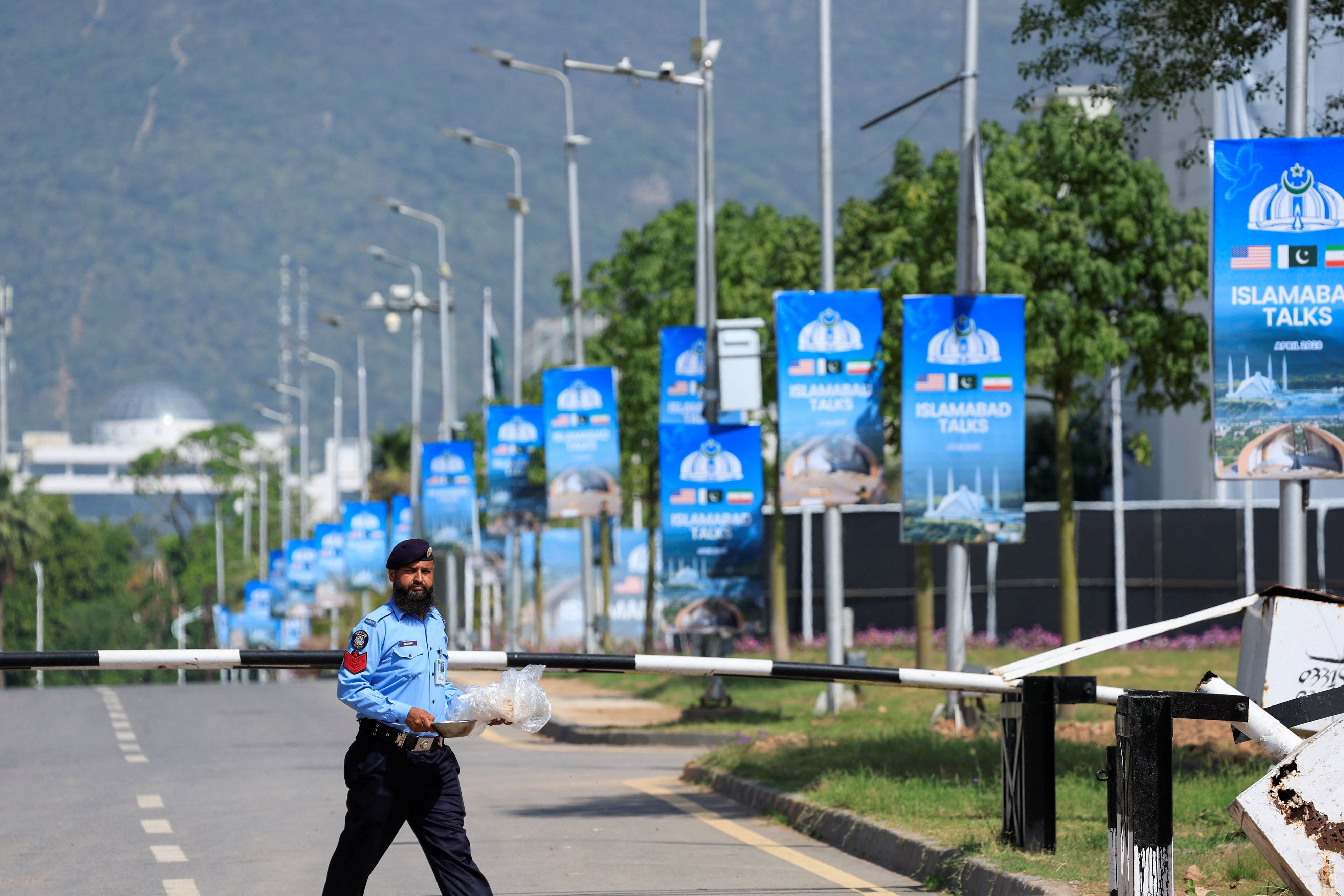
In a recent update regarding the Middle East crisis, the U.S. administration confirmed that military operations against Iranian targets will stay on hold for now. President Trump stated that the ceasefire is being stretched to give Iran time to come up with a serious offer. At the same time, the U.S. has paused a planned diplomatic trip to Islamabad. This trip was intended to coordinate with Pakistani leaders, who have been acting as a bridge between Washington and Tehran. The delay suggests that the U.S. is waiting for a clear signal from Iran before moving forward with more talks.
Important Numbers and Facts
According to reports from The Wall Street Journal, Iran’s position is firm. They have stated that negotiations are impossible as long as their ports are blocked. This blockade has severely limited Iran's ability to trade and bring in essential goods, putting a heavy strain on their economy. Pakistan is currently working to convince the Iranian leadership that attending these talks is in their best interest. So far, no specific deadline has been set for when the ceasefire might end if a proposal is not received, but the pressure is growing on all sides to find a solution before the fighting starts again.
Background and Context
The conflict between the U.S., Israel, and Iran has been building for a long time. It involves deep disagreements over nuclear programs, regional influence, and military alliances. Recently, the situation turned into direct military action, leading to fears of a massive war that could affect the entire world. Israel and the U.S. have worked closely together during this crisis, citing security concerns as the reason for their tough stance against Iran. The port blockade is one of the strongest tools the U.S. has used to pressure Iran without using bombs, but Iran views it as an act of war itself. Understanding this helps explain why Iran is demanding the blockade be lifted before they agree to talk about anything else.
Public or Industry Reaction
The international community has reacted with a mix of relief and caution. Many world leaders are glad to see the ceasefire extended, as it prevents further loss of life for the time being. However, shipping and oil industries remain worried. Because the blockade on Iranian ports is still active, trade routes in the region are not fully safe or open. Some political experts believe that Iran’s demand to lift the blockade is a "deal-breaker" for the U.S., which might lead to a stalemate. Meanwhile, the public in the region continues to live in fear that the ceasefire could break at any moment if a proposal is not accepted.
What This Means Going Forward
The next few days or weeks will be critical. If Iran presents a proposal that the U.S. finds acceptable, we could see the beginning of a long-term peace process. This would likely involve lifting some sanctions and opening up the ports. On the other hand, if Iran refuses to move or if the U.S. refuses to end the blockade, the ceasefire will likely expire. If that happens, military actions could resume, and the conflict could grow even larger. The role of Pakistan will be vital in the coming days, as they are the only ones currently talking to both sides with the goal of bringing them to the same table.
Final Take
The extension of the ceasefire is a positive step, but it is only a temporary fix for a very deep problem. The world is now waiting to see if Iran will offer a proposal or if the demand to lift the port blockade will stop the peace process before it even starts. For now, the guns are silent, but the path to a lasting peace is still blocked by heavy demands from both sides. The success of this pause depends entirely on whether diplomacy can move faster than the threat of renewed war.
Frequently Asked Questions
Why did Trump extend the ceasefire?
The ceasefire was extended to give Iran a chance to present a formal proposal for peace. It is a way to see if the conflict can be solved through talking instead of fighting.
What is Iran’s main condition for talking?
Iran has stated they will only return to negotiations if the United States lifts the blockade on Iranian ports, which currently stops them from trading freely.
What is Pakistan’s role in this conflict?
Pakistan is acting as a mediator. They are trying to talk to Iran and convince them to join the negotiations with the United States to prevent the war from getting worse.