Summary
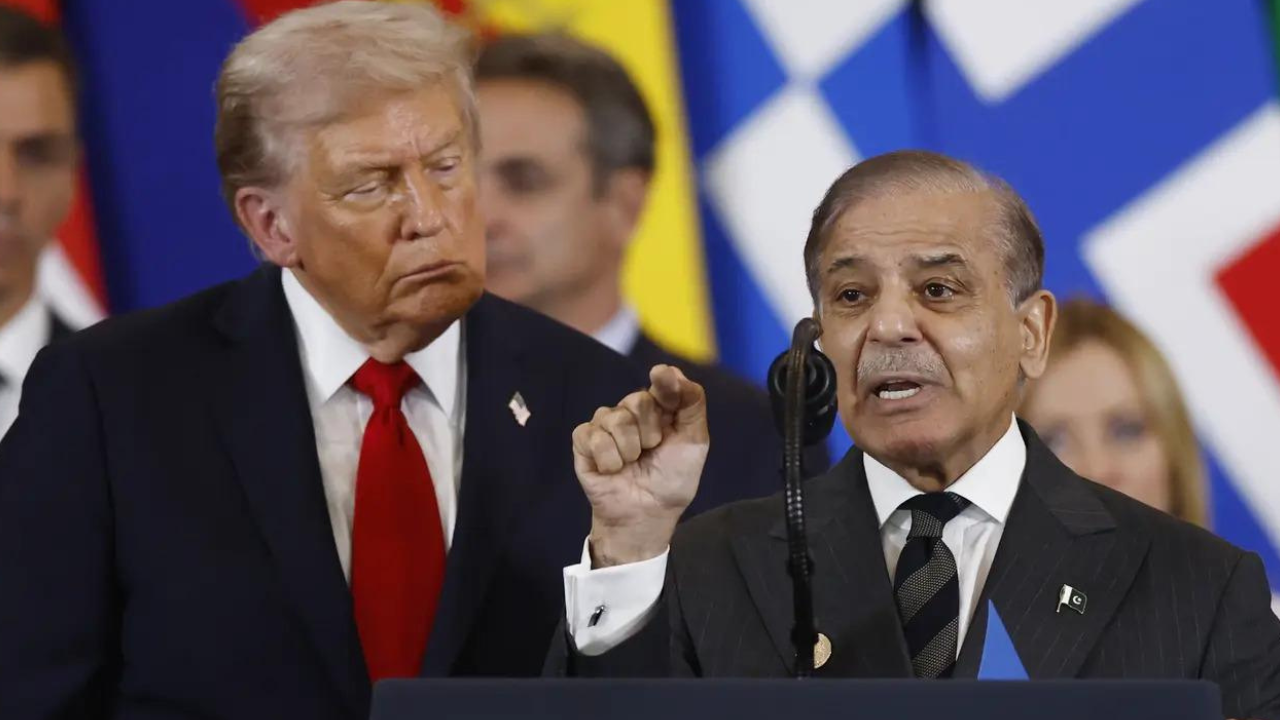
Pakistan’s Prime Minister Shehbaz Sharif has officially thanked U.S. President Donald Trump for his decision to extend the ceasefire in the ongoing Iran conflict. This move is seen as a vital step toward preventing a larger war and finding a diplomatic solution to regional tensions. Sharif highlighted the importance of the trust shown by the U.S. administration and expressed hope that upcoming peace talks in Islamabad will lead to a permanent agreement. Pakistan continues to play a central role as a mediator to help bring stability to the region.
Main Impact
The extension of the truce has an immediate and positive effect on global security. By pausing military actions, the United States and Iran have opened a window for dialogue that was previously closed. This decision reduces the immediate threat of a wider war, which has been a major concern for international leaders and economic markets. For Pakistan, this development reinforces its status as a key diplomatic bridge between the West and the Middle East. The move also suggests that the U.S. administration is currently prioritizing negotiation over direct military confrontation.
Key Details
What Happened
Prime Minister Shehbaz Sharif issued a formal statement of gratitude following the announcement that the ceasefire would be extended. He noted that the extension reflects a level of confidence in the diplomatic process that Pakistan is helping to lead. The Prime Minister is optimistic that this pause in fighting will create the right environment for a formal "Peace Deal." Preparations are now underway for high-level discussions between the involved parties to take place in the Pakistani capital.
Important Numbers and Facts
The upcoming peace talks are scheduled to be held in Islamabad, though the exact date for the final agreement remains under discussion. Despite the ceasefire extension, the U.S. naval blockade remains in effect. This blockade limits the movement of ships and goods in the waters near Iran, which continues to be a major point of contention. Iran has indicated that its willingness to stay at the negotiating table depends on certain conditions, including how the U.S. handles these economic and military pressures during the truce.
Background and Context
The conflict between the United States and Iran is rooted in decades of political and military tension. Issues such as nuclear development, regional influence, and economic sanctions have often brought the two nations to the brink of war. Pakistan finds itself in a delicate position because it shares a border with Iran but also maintains a long-standing security and economic relationship with the United States. Because of these ties, Pakistan has frequently acted as a middleman, trying to prevent local tensions from turning into a global crisis. The current ceasefire is seen as one of the most significant attempts in recent years to move away from violence and toward a structured peace process.
Public or Industry Reaction
Global leaders and international organizations have reacted to the news with cautious optimism. Many see the extension as a victory for diplomacy, but experts warn that the situation remains fragile. There is significant concern regarding the U.S. naval blockade, which many believe could cause the ceasefire to collapse if not addressed. Industry experts in the energy and shipping sectors are watching the situation closely, as any return to conflict could disrupt oil supplies and increase global prices. While the public response in Pakistan has been supportive of the government’s mediation efforts, there is a general understanding that the hardest part of the negotiations is yet to come.
What This Means Going Forward
The focus now shifts to the upcoming meetings in Islamabad. The success of these talks will depend on whether both sides are willing to make difficult concessions. The United States may need to address the naval blockade or offer some form of sanctions relief to keep Iran engaged. Conversely, Iran will likely be asked to provide guarantees regarding its military activities in the region. If these talks result in a formal "Peace Deal," it could lead to a new era of stability in the Middle East. However, if the talks fail to produce results, the ceasefire may not be extended again, leading to a potential return of military operations.
Final Take
The decision to extend the ceasefire is a positive sign that diplomacy is still possible even in the most tense situations. Prime Minister Sharif’s gratitude toward President Trump shows a shared interest in avoiding a costly war. While many challenges remain, the shift from the battlefield to the meeting room is a necessary step for long-term peace.
Frequently Asked Questions
Why is Pakistan involved in the peace talks?
Pakistan is a neighbor to Iran and a long-term partner of the United States. This unique position allows it to act as a neutral ground where both sides can meet and communicate more effectively.
What is a naval blockade?
A naval blockade is a military move where a country uses its ships to block access to another country's ports. This stops goods, supplies, and equipment from entering or leaving by sea.
What happens if the Islamabad talks fail?
If the talks do not lead to an agreement, the ceasefire may end. This could result in a return to military conflict, increased economic sanctions, and higher tensions across the entire region.