
Summary
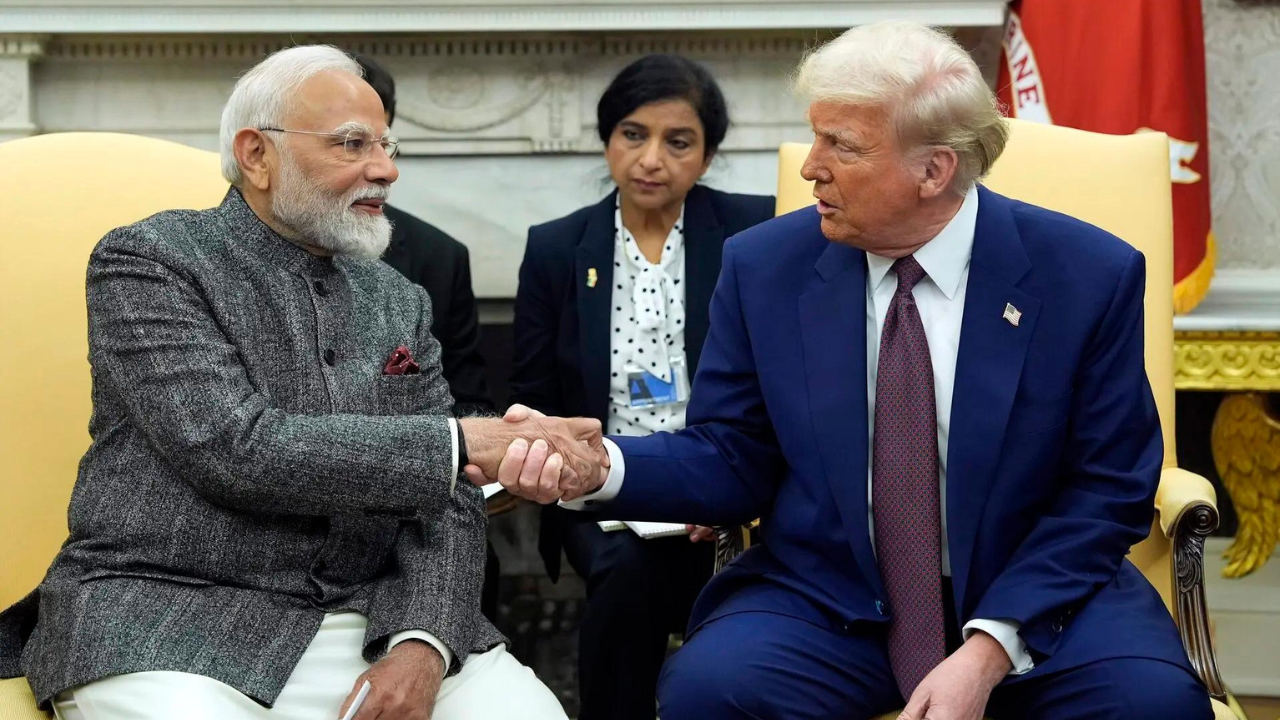
Recent comments made by Donald Trump have created a difficult situation for the public image of the relationship between the United States and India. While Trump and Prime Minister Narendra Modi have often shown a strong personal bond, these new remarks describe India in very negative terms. This shift in tone is surprising to many because the two leaders have spent years building a narrative of deep friendship and mutual respect. The situation now raises questions about how the two nations will handle their diplomatic and business ties if Trump returns to power.
Main Impact
The biggest impact of these remarks is the damage they do to the "optics" of the US-India alliance. In politics, optics refers to how things look to the public. For a long time, the world saw Modi and Trump as close allies who shared similar goals. By using harsh language like "hellhole" to describe the conditions in India, Trump has made it harder for the Indian government to maintain that image of a perfect partnership. This could lead to a more cautious approach from Indian officials who do not want to be seen as too close to a leader who speaks poorly of their country.
Key Details
What Happened
During recent discussions regarding trade, immigration, and global conditions, Donald Trump reportedly used the word "hellhole" when talking about India. This is not the first time he has used strong language to describe the country. In the past, he has also criticized India’s air quality and its high taxes on American goods. However, the timing of these latest remarks is sensitive because both countries are navigating complex political seasons. The comments suggest that behind the scenes, Trump’s view of India may be much more critical than his public appearances with Prime Minister Modi would suggest.
Important Numbers and Facts
To understand why this matters, we have to look at the history of their public events. In 2019, the "Howdy Modi" rally in Houston, Texas, brought together about 50,000 people. It was one of the largest gatherings for a foreign leader in the United States. A year later, the "Namaste Trump" event in India saw over 100,000 people fill a cricket stadium to welcome the American president. These events were meant to show a "limitless" friendship. Additionally, there are over 4 million Indian-Americans living in the US. This group is a powerful force in both business and voting, and they often pay close attention to how American leaders talk about their home country.
Background and Context
The relationship between the US and India is built on more than just friendship between leaders. It is based on shared interests. Both countries want to balance the growing power of China in Asia. They also want to grow their economies through technology and trade. However, Donald Trump has always followed an "America First" policy. This means he wants to protect American jobs and businesses above all else. Even when he was on stage with Modi, he often complained that India was a "tariff king," meaning it charged too much money to let American products into its markets. These complaints have now turned into more personal and harsh descriptions of the country itself.
Public or Industry Reaction
The reaction to these remarks has been mixed. Critics of the former president say that his words show a lack of respect for a key global partner. They argue that calling a democratic ally a "hellhole" is bad for diplomacy. On the other hand, some supporters believe this is just Trump's way of speaking and that it does not change the actual work being done between the two nations. In India, many people on social media have expressed disappointment. National pride is very strong in India right now, and hearing such words from a supposed friend is seen as an insult to the progress the country has made in recent years.
What This Means Going Forward
Looking ahead, the relationship might become more about business and less about personal feelings. If Trump wins another term as president, the Indian government will likely prepare for a more transactional relationship. This means every deal will be a tough negotiation. India may have to defend its trade policies more aggressively. At the same time, the US will still need India as a partner in security. The challenge will be moving past the insults to focus on the work that helps both sides. Leaders may still take photos together, but the trust that was built during the big rallies of 2019 and 2020 may be harder to find.
Final Take
While personal bonds between world leaders can help start big projects, they are often fragile. The shift from "great friends" to harsh critics shows that national interests and personal opinions can quickly change the mood of global politics. For India and the US, the long-term goals of security and economic growth are too important to ignore, but the path forward will likely be much more complicated than the public rallies once suggested.
Frequently Asked Questions
Why did Donald Trump use such harsh words about India?
Trump often uses strong language to describe countries that he feels have unfair trade rules or environmental standards. He has previously criticized India's air quality and its taxes on American products like motorcycles.
How does this affect Prime Minister Modi?
It creates a political challenge for Prime Minister Modi, who has spent a lot of time showing the Indian public that he has a special and strong friendship with American leaders. Harsh comments from Trump make that friendship look less effective.
Will this stop the US and India from working together?
It is unlikely to stop cooperation entirely because both countries need each other for security and trade. However, it might make future meetings more tense and focused strictly on business rather than personal friendship.



