Summary
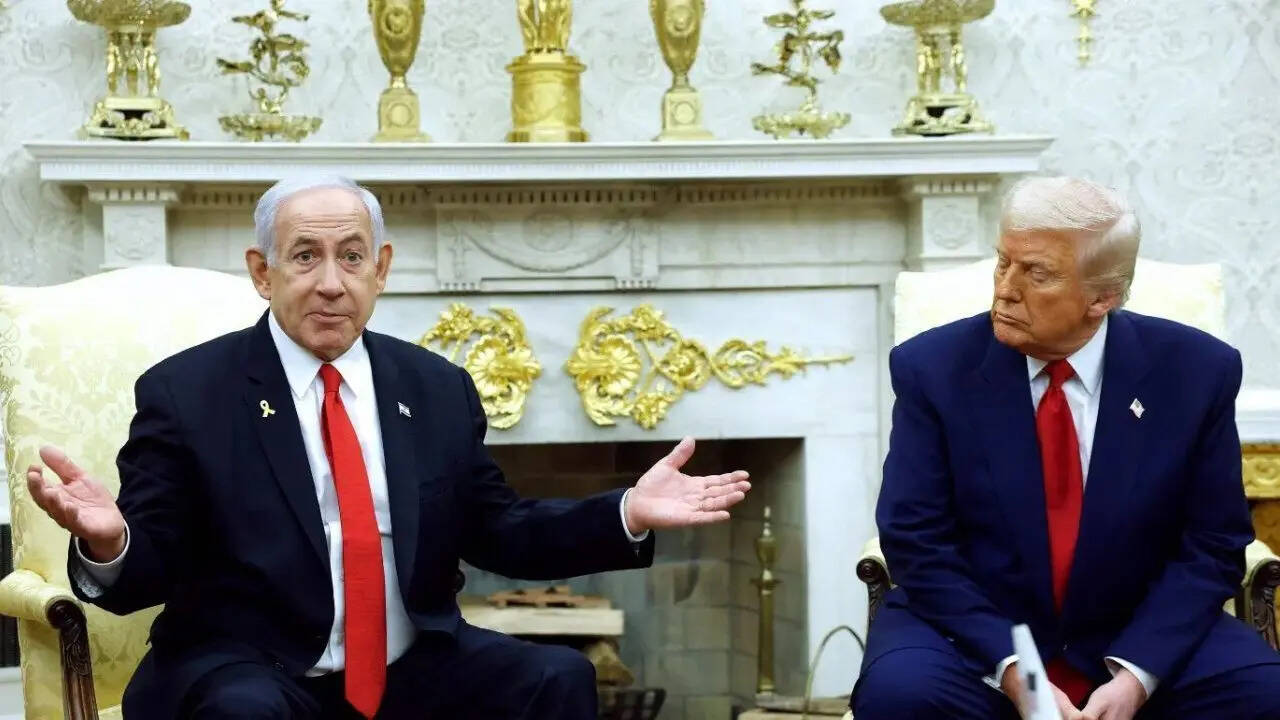
United States President Donald Trump has issued a new directive that stops Israel from launching further airstrikes in Lebanon. This sudden announcement has caused confusion and surprise within the Israeli government, led by Prime Minister Benjamin Netanyahu. In a related move, Iran has announced it will reopen the Strait of Hormuz to commercial shipping vessels. These events suggest a major shift in how the United States is handling its relationships in the Middle East. While a ceasefire is technically in place, the situation remains tense as both sides look for more information from Washington.
Main Impact
The biggest impact of this news is the visible change in the relationship between the United States and Israel. For many years, the U.S. has supported Israel’s military actions against threats in Lebanon. By publicly telling Israel to stop its airstrikes, President Trump is taking a much firmer hand in controlling regional fighting. This move could lead to a decrease in immediate violence, but it also creates uncertainty about how Israel will protect its borders. Additionally, the reopening of the Strait of Hormuz is a massive win for global trade, as it allows oil and goods to move more freely, potentially lowering energy costs around the world.
Key Details
What Happened
The situation began when President Trump made a public statement declaring that Israel is now prohibited from conducting any more air attacks on Lebanese territory. This statement was not expected by the Israeli leadership. Reports indicate that Prime Minister Netanyahu was "shocked" by the news, as there had been no prior warning of such a strict ban. In response, the Israeli government has officially asked the United States for a clear explanation of this new policy. They want to know if this is a permanent rule or if it only applies to specific types of military actions.
At the same time, Iran’s decision to open the Strait of Hormuz is seen as a sign that they are willing to talk with the U.S. government. The Strait is one of the most important water paths in the world for oil tankers. When it is closed or threatened, global oil prices usually go up. By opening it now, Iran is signaling that it might be ready for a more peaceful diplomatic path.
Important Numbers and Facts
The Strait of Hormuz is a vital link for the world's energy supply. About 20% to 30% of the world's total oil consumption passes through this narrow waterway every day. The reopening of this route is expected to affect global markets immediately. Regarding the conflict, while the ceasefire has been mentioned, military monitors have still noted small-scale activity on the ground. The U.S. directive specifically targets "airstrikes," which are the most common way Israel has targeted groups in Lebanon over the past several months.
Background and Context
To understand why this matters, it is important to look at the history of the region. Israel and groups in Lebanon have been in a state of conflict for decades. Recently, this fighting grew more intense, leading to frequent airstrikes and ground tension. The United States has traditionally been Israel's strongest ally, providing military aid and political support. However, the current U.S. administration under President Trump has often focused on "ending wars" and making deals rather than continuing long-term military support.
Iran’s role is also key. Iran supports several groups that oppose Israel. In the past, Iran has used its control over the Strait of Hormuz as a way to pressure the West. If the U.S. is successfully talking to Iran while also telling Israel to stop fighting, it could mean a very different Middle East is being planned by Washington. This approach is often called "deal-making diplomacy," where the U.S. tries to get all sides to stop fighting at the same time.
Public or Industry Reaction
In Israel, the reaction has been one of concern. Many political leaders are worried that without the ability to use airstrikes, they cannot stop threats before they reach Israeli soil. Some members of Netanyahu’s government have called for a meeting to discuss how to handle this new restriction. On the other hand, the shipping and oil industries have reacted with relief. The news that the Strait of Hormuz is open again means that insurance rates for ships will likely drop, and the flow of oil will become more stable. International diplomats are watching closely to see if this is the start of a much larger peace agreement between the U.S. and Iran.
What This Means Going Forward
The next few weeks will be critical for the region. Israel is waiting for a formal reply from the U.S. State Department. If the U.S. insists on the ban, Israel may have to find new ways to manage its security without using its air force. There is also the risk that groups in Lebanon might see the ban on airstrikes as an opportunity to increase their own activity. For the U.S. and Iran, the reopening of the Strait could lead to more formal meetings. If these talks go well, it could lead to a removal of trade sanctions on Iran, which would change the economy of the entire region. However, any small mistake or violation of the ceasefire could cause these plans to fall apart quickly.
Final Take
This development shows a new and direct style of American leadership that is not afraid to challenge its closest allies to achieve a broader goal. By stopping Israeli strikes and encouraging Iran to open trade routes, the U.S. is trying to force a period of calm in a very violent part of the world. Whether this leads to a lasting peace or more confusion depends on how clearly the U.S. communicates its plan to its partners in the coming days.
Frequently Asked Questions
Why did President Trump ban Israeli airstrikes?
The goal appears to be to reduce fighting in the region and create a better environment for diplomatic talks with Iran and other neighbors.
What is the Strait of Hormuz?
It is a narrow and very important waterway between the Persian Gulf and the Gulf of Oman. It is the main route for oil ships leaving the Middle East.
How did Israel react to the news?
Prime Minister Netanyahu and his government were surprised by the announcement and have asked the U.S. for more details and a clear explanation of the new policy.