
Summary
The "Trump Accounts" program is a new financial plan designed to help American children build wealth from a young age. By allowing parents to save money in special accounts, the program aims to provide young adults with a significant financial head start by the time they turn 18. With contributions from families, the government, and private donors, some children could see their accounts grow to over $270,000. This initiative is intended to help the next generation pay for education, buy homes, or start businesses.
Main Impact
The primary goal of this program is to change how American families save for the future. By creating a system similar to a retirement fund for children, the government is encouraging long-term investing. The impact is most visible for families who may not have had the means to save before. With initial cash from the government and extra help from major companies, even children from low-income homes can begin building a nest egg. This could potentially reduce the wealth gap by ensuring every child has some capital when they reach adulthood.
Key Details
What Happened
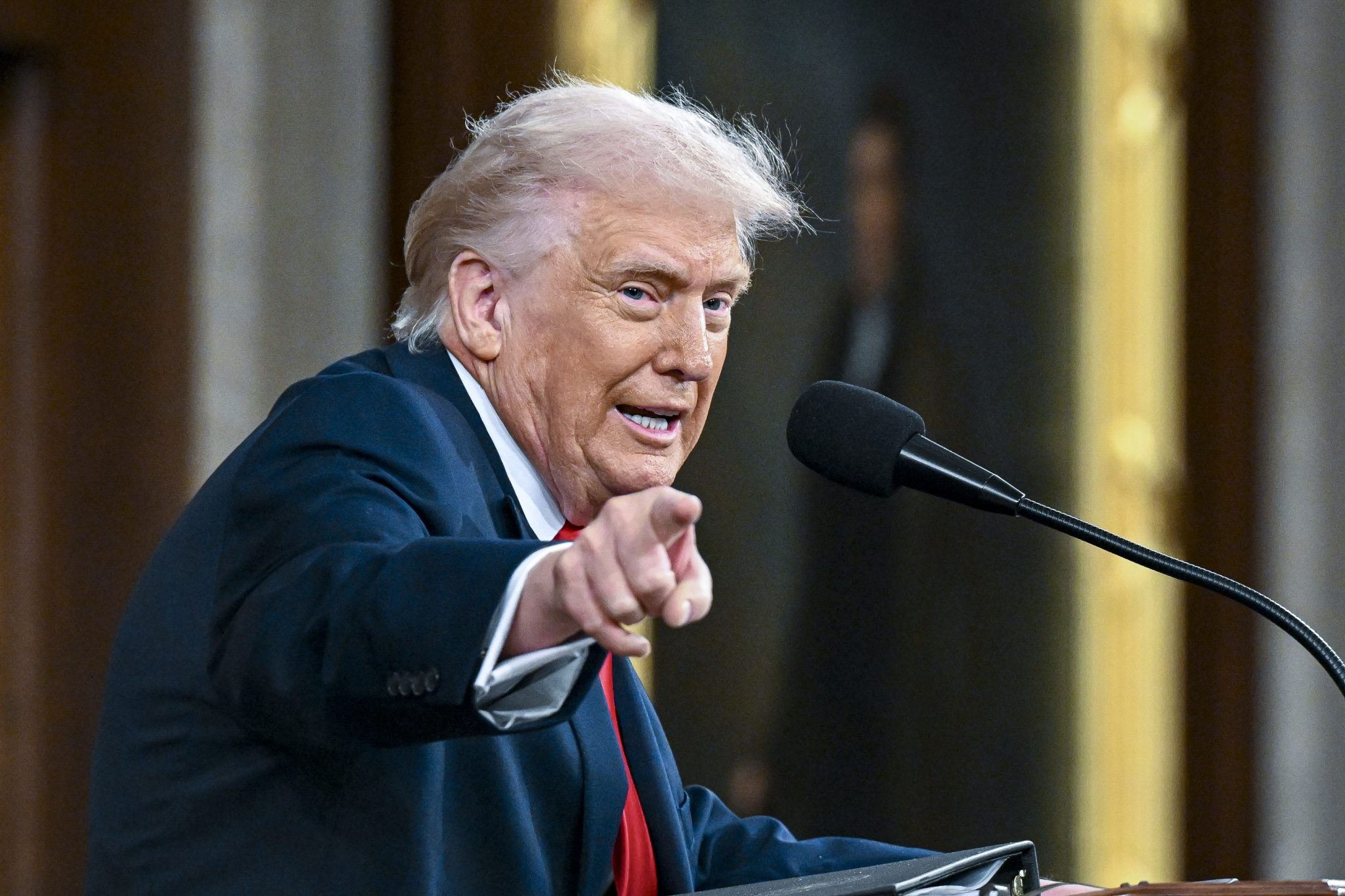
During a recent State of the Union address, the president highlighted the launch of these new savings accounts. The program is set to officially begin on July 5, 2026. These accounts are often called "baby bonds" or "Trump accounts." They allow parents to put money into a fund that grows over time through stock market investments. The government and several large corporations are also putting money into these accounts to help them grow faster.
Important Numbers and Facts
To qualify for an account, a child must be a U.S. citizen under the age of 18 and have a Social Security number. Parents can contribute a maximum of $5,000 every year. To help get things started, the Treasury Department will provide a one-time payment of $1,000 for babies born between the start of 2025 and the end of 2028.
The potential growth of these accounts depends on the stock market. Government experts estimate that if parents contribute the maximum amount, the account could grow to between $187,000 and $730,000 over 18 years. A more conservative estimate from the Securities and Exchange Commission (SEC) suggests the total might be closer to $162,000 to $674,000, depending on how the market performs.
Background and Context
Saving for the future has become increasingly difficult for many American families as the cost of living and education rises. This program was created to address those concerns by making it easier to save small amounts that grow over a long period. By using the power of compound interest—where your money earns interest, and then that interest earns more interest—the accounts can turn relatively small yearly additions into a large sum of money by the time a child becomes an adult.
Public or Industry Reaction
The program has received significant support from the private sector. Michael Dell, the CEO of Dell Technologies, and his wife Susan have donated $6.25 billion to support children in lower-income areas. This donation will provide an extra $250 to the accounts of the first 25 million eligible children. Additionally, major financial companies like JPMorgan Chase, BlackRock, and Intel have promised to match the government’s $1,000 starting contribution for many children. While the program is popular with many, some tax experts warn that the rules around how the money is taxed are still being finalized and may be more complex than they first appear.
What This Means Going Forward
As the program rolls out in July, families will need to understand the tax rules. While the president described the accounts as "tax-free," experts clarify that they are actually "tax-deferred." This means that while the money stays in the account and grows, you do not pay taxes on the profit. However, when the child eventually takes the money out at age 18 or later, they will likely have to pay income tax on the original government contributions and the gifts from companies. Parents should prepare for these future costs while taking advantage of the growth the accounts offer today.
Final Take
The Trump Accounts represent a major shift in national policy toward personal savings. By combining family contributions with government and corporate support, the program offers a clear path for young Americans to gain financial independence. While the final tax details are still being sorted out, the potential for a child to start their adult life with a six-figure sum is a powerful incentive for families to start saving as soon as possible.
Frequently Asked Questions
Who is eligible for a Trump Account?
Any child who is a U.S. citizen, is under the age of 18, and has a valid Social Security number can have an account opened for them.
How much money can be put into the account each year?
Parents or guardians can contribute up to $5,000 per year. The government also provides a one-time $1,000 payment for children born in specific years to help the account start growing.
Is the money in the account completely tax-free?
No. While the money grows without being taxed every year, the original gifts from the government and companies will be taxed as income when the money is finally withdrawn.



