
Summary
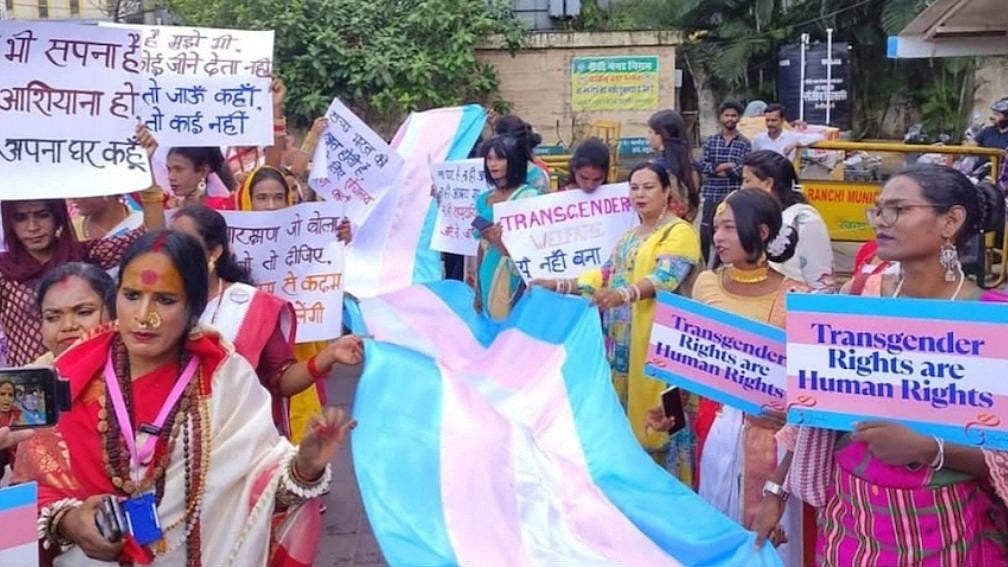
The Communist Party of India–Marxist (CPI(M)) has officially voiced its opposition to the Transgender Persons (Protection of Rights) Amendment Bill, 2026. The party claims that the new changes take away the right of individuals to decide their own gender identity. They are calling for the bill to be withdrawn immediately, arguing that it was created without talking to the people it affects most. Additionally, the party is pushing for a national policy on menstrual leave for working women, criticizing recent court comments that suggested such a policy could hurt women's job chances.
Main Impact
The main impact of this opposition is a growing debate over how the government handles personal identity and workplace rights. If the new bill passes, transgender individuals may no longer be able to simply state their gender. Instead, they would have to go through a medical and bureaucratic process to get legal recognition. This change could make it much harder for many people to access basic rights and services. At the same time, the demand for menstrual leave highlights a struggle for better health support for women in the workforce.
Key Details
What Happened
On Saturday, the CPI(M) released a statement criticizing the 2026 amendment bill. They believe the government is moving backward by requiring medical proof for gender identity. Under the proposed rules, a medical board led by a chief medical officer would have to certify a person's gender. After that, a district magistrate would review the certificate before any identity documents are issued. The party says this process is invasive and ignores the privacy of the individual.
Important Numbers and Facts
The party pointed out that the new bill contradicts a famous 2014 Supreme Court ruling known as the NALSA judgment. That ruling gave people the right to self-identify their gender. The CPI(M) also noted that the 2019 version of the law was much broader. It included trans men, trans women, and non-binary people. The new 2026 version narrows this definition significantly. It focuses mostly on specific social groups and people with intersex variations, potentially leaving many others without any legal protection at all.
Background and Context
For many years, the fight for transgender rights in India has focused on "self-determination." This means a person should have the power to decide who they are without needing a doctor to confirm it. The 2014 Supreme Court decision was a major victory for this idea. However, the government’s new proposal suggests a shift toward more control by doctors and officials. The CPI(M) argues that this reflects a very rigid and traditional view of society that does not fit the modern world.
Regarding menstrual leave, the issue came to light after the Supreme Court recently turned down a request for a nationwide policy. The court was worried that if women were given extra leave, employers might see them as more expensive or less reliable workers. The CPI(M) disagrees, saying that period pain is a real health issue that should not be ignored just to keep productivity high.
Public or Industry Reaction
The reaction from the legal community has been mixed. On one hand, the Supreme Court, led by Chief Justice Surya Kant, expressed concern that a mandatory leave policy could backfire. They suggested it might reinforce old stereotypes that women are "weaker" workers. On the other hand, social activists and the CPI(M) argue that this view is discriminatory. They believe that true equality means recognizing the biological differences of workers and providing the necessary support so everyone can work with dignity.
What This Means Going Forward
The next steps will likely involve more protests and debates in Parliament. If the government continues with the 2026 Amendment Bill, it may face legal challenges in court based on the right to privacy. For the issue of menstrual leave, the debate is moving toward how to balance worker rights with the concerns of business owners. There is a strong push to make sure that health needs are not sacrificed for the sake of corporate profit. We can expect more discussions on how to update labor laws to include these protections.
Final Take
The fight for these rights is about more than just paperwork or extra days off; it is about respect and dignity for all citizens. Whether it is the right to choose one's identity or the right to manage one's health at work, these issues show a need for laws that put people before systems. Moving forward, the government will need to listen more closely to the communities affected by these laws to ensure that no one is left behind or forced into a box they do not fit in.
Frequently Asked Questions
Why does the CPI(M) oppose the new transgender bill?
The party believes the bill takes away the right to self-identify gender and forces people to go through medical boards and government checks, which violates their privacy.
What did the Supreme Court say about menstrual leave?
The court declined to create a national policy, fearing that it might make employers less likely to hire women and could reinforce negative stereotypes in the workplace.
What is the NALSA judgment?
It is a 2014 Supreme Court ruling that recognized the right of transgender people to decide their own gender identity without needing medical intervention.

