
Summary
India has officially turned the Transgender Persons Bill into law, marking a major shift in how the state recognizes gender identity. While the law aims to provide protection and rights, it has caused significant worry within the community. The main concern centers on 32,000 identity certificates that were already issued based on a person's own sense of identity. Now that the new law is in place, it is unclear if these existing documents will remain valid or if thousands of people will have to re-apply under new rules.
Main Impact
The primary impact of this legal change is a sense of deep uncertainty for thousands of transgender individuals. These identity certificates are not just pieces of paper; they are essential for accessing government welfare, opening bank accounts, and applying for jobs. If the government decides that certificates issued under the old "self-identity" system are no longer valid, it could strip 32,000 people of their legal recognition overnight. This creates a massive administrative hurdle and a potential loss of access to basic civil rights.
Key Details
What Happened
Before this bill became a formal law, the government allowed transgender individuals to apply for identity cards through an online portal. This system was praised because it allowed people to declare their gender based on how they felt, rather than requiring medical proof or surgery. This is known as "self-perceived identity." However, the new law introduces a more formal process for recognition. Because the law does not clearly state what happens to those who already have their cards, the community is left waiting for an official explanation from the Ministry of Social Justice and Empowerment.
Important Numbers and Facts
The scale of this issue is significant, as over 32,000 individuals have successfully received their certificates through the national portal over the last few years. These individuals used these documents to update their names and gender markers on other official IDs like Aadhaar cards and voter lists. The new law now sets a standard for how these certificates should be issued moving forward, but it remains silent on the legal status of the 32,000 people who finished the process before the law was finalized.
Background and Context
For decades, the transgender community in India fought for the right to be recognized by the state. In 2014, a landmark Supreme Court judgment ruled that gender identity is a personal choice and that the government must respect "self-identification." Following this, the government created a digital portal to make the process easier and more private. The goal was to remove the need for people to visit government offices where they often faced harassment. The new law is meant to codify these protections, but the transition from a flexible portal system to a strict legal framework has created these unexpected gaps in the rules.
Public or Industry Reaction
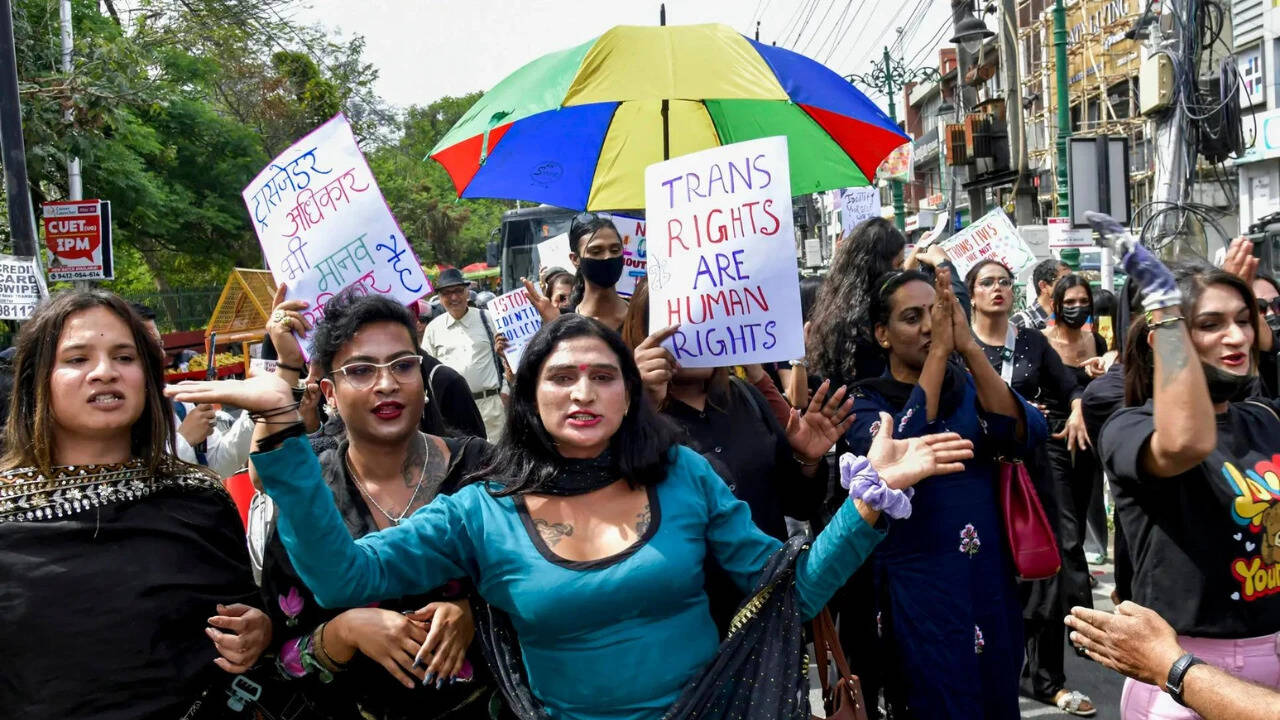
Human rights activists and community leaders have raised their voices in protest against the lack of clarity. Many argue that forcing people to re-verify their gender would be a violation of their dignity and a step backward. Activists point out that the 32,000 people who already have certificates followed the rules that were in place at the time. They believe the government should "grandfather in" these existing documents, meaning they should stay valid forever. There is also a fear that the new process might involve more medical checks, which many in the community find invasive and unnecessary.
What This Means Going Forward
The next step depends entirely on the government’s willingness to issue a clear set of guidelines. If the government confirms that the 32,000 certificates are still valid, the community can move forward with confidence. However, if the government stays silent or asks for re-verification, it could lead to a wave of legal challenges in the courts. For the individuals affected, the immediate future involves a lot of stress. They must wait to see if their current IDs will still be accepted at banks, hospitals, and government offices in the coming months.
Final Take
A law meant to protect a community should not leave its members in a state of fear. The 32,000 people who took the step to get officially recognized did so in good faith, trusting the government's system. To ensure the success of this new law, the government must act quickly to protect those who already hold valid certificates. Clear communication is the only way to ensure that the progress made over the last decade is not lost to administrative confusion.
Frequently Asked Questions
What is a self-perceived identity certificate?
It is an official document that allows a transgender person to choose their gender identity based on their own personal sense of self, without needing to show proof of medical surgery or a doctor's note.
Why is there confusion about the 32,000 certificates?
The confusion exists because a new law has been passed that changes the rules for getting these certificates. The law does not clearly say if the old certificates issued before the law started will still be accepted.
Will people have to apply for new identity cards?
Currently, there is no official order saying people must re-apply. However, the lack of a clear statement from the government has made people worry that their current cards might be rejected by officials in the future.



