
Summary
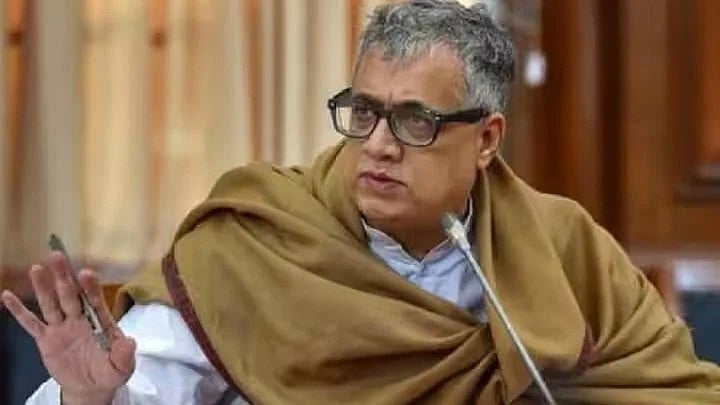
Derek O'Brien, a prominent leader of the Trinamool Congress (TMC), has voiced strong opposition to the Transgender Persons (Protection of Rights) Amendment Bill, 2026. He described the new legislation as "draconian," a term used to describe laws that are unnecessarily harsh or severe. O'Brien, who serves as a Member of Parliament in the Rajya Sabha, accused the government of rushing the bill through the legislative process without allowing for proper debate or expert review. This criticism comes at a time when transgender rights activists are also expressing deep concerns about how the law defines gender identity.
Main Impact
The introduction of this bill has sparked a heated debate regarding the rights of the transgender community in India. The most significant impact of the proposed law is its shift away from the principle of self-identification. For years, activists have argued that individuals should have the right to decide their own gender identity. However, this new bill suggests that the government will have more control over how a person is legally classified. This change could affect how transgender people access healthcare, education, and legal documents, leading to fears of increased discrimination and a loss of personal autonomy.
Key Details
What Happened
The Transgender Persons (Protection of Rights) Amendment Bill, 2026, was recently introduced in the Lok Sabha. According to Derek O'Brien, the government "sneakily" brought the bill to the floor, meaning it was done quickly and without much prior notice. The bill aims to update the existing laws from 2019. While the government claims the bill will provide better protection, critics argue that the way it was introduced shows a lack of respect for the democratic process. O'Brien highlighted that the government is increasingly avoiding the use of parliamentary committees, which are groups of lawmakers who study bills in detail before they become law.
Important Numbers and Facts
Derek O'Brien shared some striking statistics to support his claim that the government is bypassing oversight. He noted that twenty years ago, about 60% of all bills introduced in Parliament were sent to committees for careful examination. Today, that number has dropped significantly, with only about 20% of bills receiving that level of scrutiny. The 2026 Bill also introduces a "graded" system for punishments. This means that the penalty for a crime against a transgender person would depend on how much harm was caused, rather than having a single standard punishment for all such offenses.
Background and Context
To understand why this bill is so controversial, it is important to know the history of transgender rights in India. In the past, the Supreme Court of India has recognized the right of individuals to choose their own gender identity. This is known as the right to self-determination. The 2019 law was already criticized by many for not going far enough to protect these rights. The 2026 amendment goes a step further by explicitly stating that gender identity cannot be based on "personal choice" or "self-perceived identity." In simple terms, the bill says that just because a person feels they are a certain gender, the law will not automatically recognize it. This is a major change from previous legal understandings and has caused a rift between the government and the community it intends to protect.
Public or Industry Reaction
The reaction from the public and rights groups has been largely negative. Transgender rights activists have called for the government to withdraw the bill entirely. They argue that the law treats transgender people as if they cannot be trusted to know their own identities. Many groups believe the bill will institutionalize discrimination, meaning it will make unfair treatment a part of the legal system. On social media, the hashtag campaigns and public statements from leaders like O'Brien have brought national attention to the issue. Critics feel that the government is mocking the parliamentary system by not listening to the people who will be most affected by the law.
What This Means Going Forward
As the bill moves through the different stages of Parliament, the tension is expected to grow. Opposition parties are likely to demand that the bill be sent to a standing committee for a more thorough review. If the bill passes in its current form, it could lead to legal challenges in the courts. Lawyers and activists may argue that the law violates the fundamental rights guaranteed by the Constitution. For the transgender community, the future remains uncertain. They face the possibility of a legal system that requires them to meet government standards to prove who they are, which many see as a step backward for human rights in the country.
Final Take
The debate over the Transgender Persons Amendment Bill, 2026, is about more than just legal definitions; it is about the right to live with dignity and respect. While the government says it wants to provide protection, the methods it is using have created a deep sense of distrust. By ignoring the importance of self-identity and bypassing parliamentary checks, the government risks passing a law that causes more harm than good. The coming weeks in Parliament will show whether the voices of the community and the opposition will be heard or if the bill will move forward despite the widespread protests.
Frequently Asked Questions
What does "draconian" mean in this context?
In this context, Derek O'Brien used the word "draconian" to describe the bill as being very harsh, strict, and unfair toward the transgender community.
Why is "self-identification" important?
Self-identification is the idea that a person should have the right to decide their own gender identity without needing approval from a doctor or a government official. Activists believe this is essential for personal dignity.
What is a parliamentary committee?
A parliamentary committee is a small group of lawmakers from different parties. Their job is to study a proposed law in detail, listen to experts, and suggest changes before the whole Parliament votes on it.

