
Summary
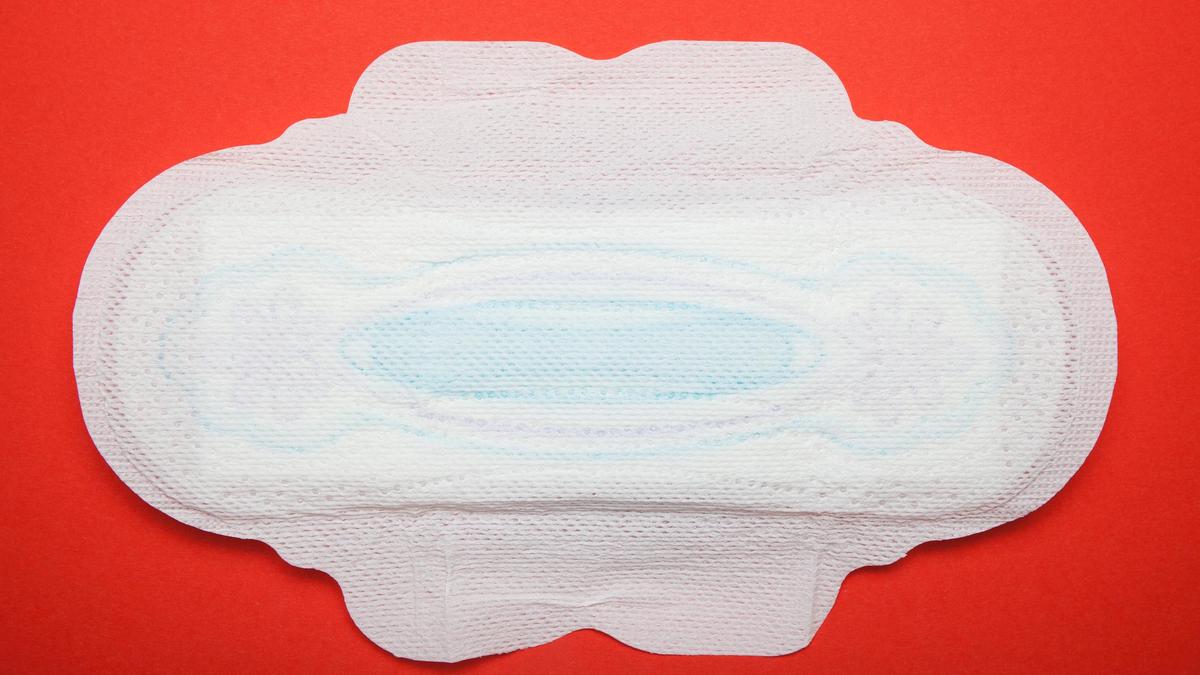
The Madras High Court has taken a significant step toward ensuring the safety of personal hygiene products used by millions of people. A Public Interest Litigation (PIL) was recently filed to ban the use of toxic chemicals in sanitary pads and baby diapers. The court has asked the central government to explain how these products are regulated and monitored. This legal move aims to protect the health of women and infants from potentially harmful substances found in everyday items.
Main Impact
This legal action could change how hygiene products are made and sold in India. If the court finds that these products contain dangerous toxins, it may lead to much stricter safety rules. Manufacturers might be forced to remove certain chemicals and provide clear labels showing every ingredient used. For consumers, this means better protection against skin issues, hormonal problems, and other long-term health risks associated with chemical exposure.
Key Details
What Happened
A petition was brought before the Madras High Court raising concerns about the materials used in sanitary napkins and diapers. The petitioner argued that many of these products contain chemicals that can be absorbed through the skin. In response, a bench consisting of Chief Justice Sushrut Arvind Dharmadhikari and Justice G. Arul Murugan decided to look into the matter. They have officially called for a response from two major government departments: the Ministry of Health and Family Welfare and the Ministry of Textiles.
Important Numbers and Facts
The court is focusing on the presence of substances like phthalates, volatile organic compounds (VOCs), and dioxins. These are often used to make pads and diapers softer, more absorbent, or white in color. While there are no specific numbers yet on how many brands are affected, the legal challenge covers a massive market. Millions of babies wear diapers for several years, and women use sanitary pads for decades. The court wants to know if the current standards set by the government are enough to keep these users safe from toxic buildup over time.
Background and Context
Personal hygiene products are essential for daily life, but they are often treated differently than food or medicine. In many places, companies do not have to list every chemical used in a pad or diaper. However, these products stay in close contact with sensitive skin for many hours every day. Scientists have warned that some chemicals used in the manufacturing process can interfere with the body's natural hormones. For babies, whose skin is much thinner than adults, the risk of absorbing these toxins is even higher. This case highlights a growing global concern about "forever chemicals" and plastic-based materials used in disposable hygiene items.
Public or Industry Reaction
Health advocates and parents have welcomed the court's decision to question the government. Many consumer groups have been asking for more transparency regarding what goes into these products. On the other hand, the manufacturing industry may face challenges if new rules are put in place. Changing production methods to remove certain chemicals can be expensive. However, many experts argue that the cost of health problems caused by these toxins is much higher for society in the long run. The response from the Ministry of Health will be vital in deciding the next steps for the industry.
What This Means Going Forward
The next few months will be critical as the government prepares its report for the court. The Ministry of Textiles will likely explain the manufacturing standards, while the Ministry of Health will address the safety concerns. If the court is not satisfied with the current rules, it could order a ban on specific chemicals or demand new testing procedures. This could also encourage the growth of organic and chemical-free alternatives, which are currently more expensive and harder to find. The goal is to create a market where safety is guaranteed for every family, regardless of which brand they choose.
Final Take
The safety of women and children should always be a top priority for any government. By looking into the hidden chemicals in pads and diapers, the Madras High Court is addressing a silent health issue that affects almost every household. Clearer laws and better testing will ensure that these essential products do more than just provide convenience—they will also provide peace of mind. Ensuring that hygiene does not come at the cost of health is a necessary step for public safety.
Frequently Asked Questions
Why are there chemicals in pads and diapers?
Chemicals are often used to bleach the materials white, add artificial scents, or increase how much liquid the product can hold. Some are also used to make the plastic parts more flexible.
What are the health risks of these toxins?
Exposure to certain chemicals in these products can cause skin irritation, severe rashes, and allergic reactions. Some studies also suggest they may cause hormonal imbalances or reproductive issues over long periods of use.
Which government departments are involved in this case?
The Madras High Court has asked for responses from the Ministry of Health and Family Welfare and the Ministry of Textiles to understand how these products are regulated and manufactured.



