
Summary
The global oil market is heading toward a major crisis that may be impossible to avoid. Even if key shipping routes were to open immediately, experts warn that a massive supply shortage is already "locked in" for the coming months. This situation is caused by a long delay in the oil supply chain and a significant drop in global oil reserves. As the gap between supply and demand grows, the world could see a sharp and painful increase in energy prices very soon.
Main Impact
The primary impact of this crisis is a total disconnect between the stock market and the physical reality of oil supplies. While investors have remained hopeful due to talk of peace, the actual amount of oil available is dropping to dangerous levels. This shortage will likely lead to "exponential" price hikes, meaning prices will not just go up slowly but could jump very high in a very short time. Industries that rely on specific oil products, such as airlines and technology manufacturers, are already starting to feel the pressure as their supply chains begin to break down.
Key Details
What Happened
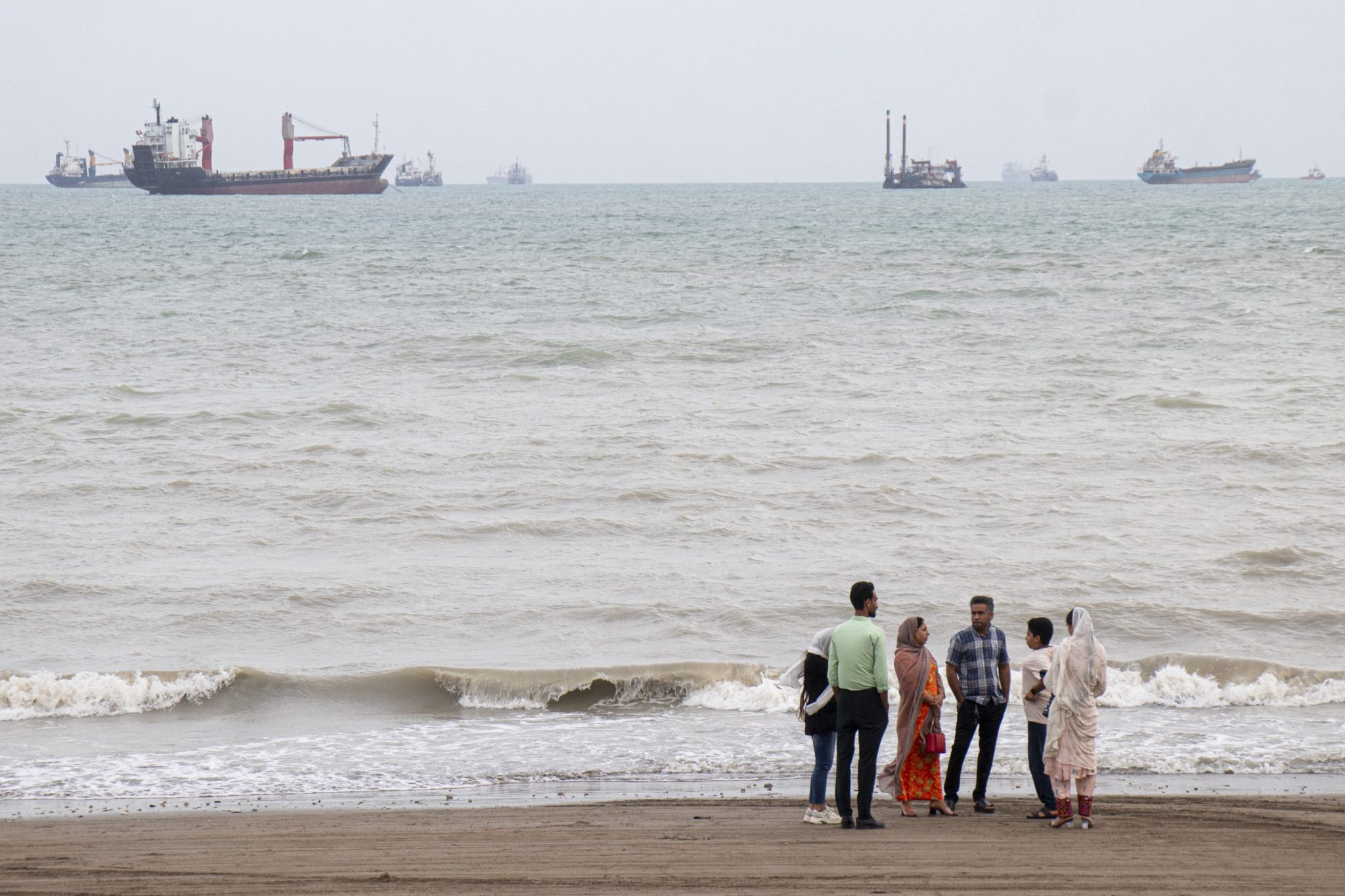
For more than 40 days, the Strait of Hormuz has been largely closed. This narrow waterway is one of the most important paths for oil tankers in the world. Because it takes several weeks for a tanker to travel from the Middle East to its destination, the world is only now starting to feel the effects of the closure. The oil that is arriving today was shipped before the fighting began. Since no new ships have been sent for over a month, a massive "hole" in the supply is about to arrive at ports across the globe.
Important Numbers and Facts
Several data points highlight the severity of the situation. West Texas Intermediate (WTI) oil has stayed under $100 a barrel for a while, but Brent crude has already climbed back above that mark. Experts from Trafigura Group estimate that 1 billion barrels of oil supply have already vanished from the market. If the conflict continues, that number could rise to 1.5 billion barrels. Furthermore, JPMorgan analysts predict that oil inventories in developed countries will hit "operational minimums" between May 9 and May 30. This is the lowest level of oil needed to keep systems running, and hitting this floor usually triggers a massive price spike.
Background and Context
To understand why this is happening, it is important to look at how oil moves around the world. Oil is not delivered instantly; it moves on massive ships that take a long time to reach their destinations. When a major shipping route like the Strait of Hormuz closes, the world does not run out of oil the next day. Instead, countries use the oil they have stored in large tanks, known as reserves. However, these reserves are not bottomless. For the last several weeks, countries like the United States and Japan have been using these emergency stocks to keep things moving. Now, those tanks are getting empty, and the "new" oil that should be replacing them is not coming because the ships were never sent.
Public or Industry Reaction
Energy analysts are sounding the alarm, but they feel the general public and the stock market are not listening. Paul Sankey, a leading oil analyst, described the upcoming months as an "absolute disaster." He noted that even if the shipping lanes opened tomorrow, the tankers are currently in the wrong places to help. Other industry leaders, such as those at Gunvor Group, agree that the market is about to hit "tank bottoms." There is a shared concern among experts that people are being too optimistic about peace talks and are ignoring the physical reality that there is simply not enough oil in the system to meet current needs.
What This Means Going Forward
The road to recovery will be long, even after the conflict ends. It is not as simple as turning on a faucet. Experts estimate it will take at least two months for ports to fully reopen and for shipping schedules to return to normal. Tanker crews will also need time to feel safe before they agree to sail through dangerous waters again, which could add several weeks of delay. On the production side, it could take up to four months for oil fields to reach their full capacity again. This means that even in a best-case scenario where peace is reached today, the energy market will face a very difficult summer with high prices and limited supply.
Final Take
The global energy market is currently living on borrowed time. The safety net provided by oil reserves is almost gone, and the physical shortage caused by weeks of blocked shipping is finally reaching the shore. While many hope for a quick resolution to the conflict, the logistical reality suggests that the next few months will be a period of extreme instability for oil prices and global supply chains. The world must prepare for a period where energy is both more expensive and harder to find.
Frequently Asked Questions
Why won't opening the Strait of Hormuz fix the problem immediately?
It takes weeks for oil tankers to travel from the Middle East to other parts of the world. Because the route has been closed for over 40 days, there is a massive gap in the delivery schedule that cannot be filled instantly. The ships are currently not in the right locations to start deliveries right away.
When will oil prices likely start to rise sharply?
Analysts expect the biggest price increases to happen in May. This is when global oil inventories are expected to hit their lowest safe levels. When reserves get that low, prices often jump very quickly because there is no extra supply to handle demand.
How long will it take for the oil supply to return to normal?
Even after the war ends, it could take several months. Ports need about two months to restart, and it may take up to four months for oil production to reach 99% of its normal capacity. Safety concerns for shipping crews may also cause further delays.



