Summary
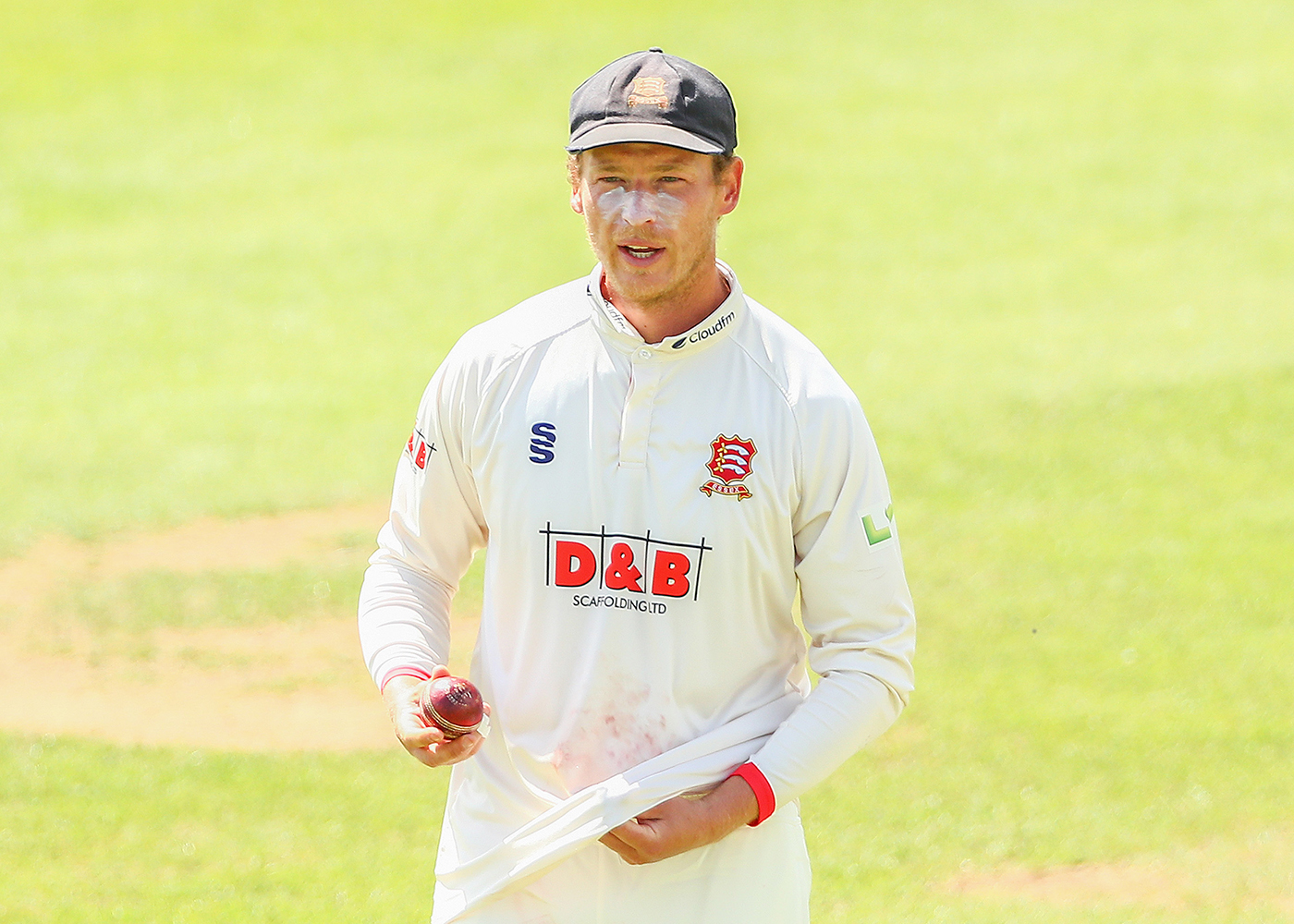
Essex captain Tom Westley has made history in a way he likely never intended. During a recent match, Westley suffered a broken finger that forced him out of the game. This injury led to the first-ever use of a full injury substitute in English county cricket. Charlie Thain was brought in to replace the captain under a new trial rule being tested this season. While Thain can bat in Westley's place, the rules of the trial prevent him from taking over any bowling duties during the remainder of the match.
Main Impact
The use of an injury substitute marks a major change in how cricket matches are played and managed. For over a century, if a player was injured during a game, the team simply had to continue with ten players or use a fielder who was not allowed to bat or bowl. This new trial by the England and Wales Cricket Board (ECB) aims to keep matches competitive even when accidents happen. By allowing Charlie Thain to step in, Essex can maintain a full batting lineup, which could be the difference between winning and losing a vital game.
Key Details
What Happened
The incident occurred while Essex was fielding. Tom Westley, a key player and the team leader, attempted to stop a ball or take a catch when he felt a sharp pain in his hand. After being checked by the medical team, it was confirmed that his finger was broken. Under the old rules, Essex would have lost their best batter for the rest of the game. However, because of the new trial rules, the team was able to officially name Charlie Thain as a replacement. Thain is now the first player to ever enter a county match in this specific role.
Important Numbers and Facts
The trial rule is being monitored closely by officials throughout the 2026 season. To qualify for a substitute, the injury must be serious enough that the player cannot return to the field. In this case, a broken finger is a clear-cut medical emergency. The rule states that the replacement must be a "like-for-like" player. This means a team cannot replace a bowler with a specialist batter to gain an unfair advantage. Because Westley is primarily a top-order batter, Thain was deemed a suitable match. However, the match officials decided that Thain would not be allowed to bowl, ensuring the balance of the game remained fair.
Background and Context
Cricket has traditionally been very strict about player changes. For a long time, the only substitutes allowed were "twelfth men" who could only field. They were not allowed to bat, bowl, or act as captain. A few years ago, the sport introduced concussion substitutes. This allowed a player to be replaced if they suffered a head injury, which was a big step for player safety. This new trial goes a step further by including other types of physical injuries, such as broken bones or severe muscle tears. The goal is to modernize the sport and ensure that a freak accident does not ruin a four-day match for a team and its fans.
Public or Industry Reaction
The reaction from the cricket community has been mostly positive, though some traditionalists have concerns. Many coaches and players feel that this change is long overdue. They argue that it is unfair for a team to lose a game just because one player gets hurt in the first hour of a multi-day match. On the other hand, some critics worry that teams might try to fake injuries to bring in a different type of player if the pitch conditions change. To prevent this, the ECB requires independent medical proof before a substitute is allowed to take the field. The Essex situation is seen as a perfect example of why the rule is needed, as Westley’s injury was clear and undeniable.
What This Means Going Forward
This event will serve as a test case for the ECB. Officials will look at how Thain’s inclusion affected the flow of the game and whether it created any unfair advantages. If the trial is successful, we could see injury substitutes become a permanent part of all professional cricket. It also raises questions about how teams will build their squads. In the future, having a versatile "substitute" player ready on the sidelines might become a standard strategy. For Essex, the immediate focus is on how they will perform without their captain's leadership on the field, even if they have a full batting order.
Final Take
The injury to Tom Westley is a blow for Essex, but it has provided a historic moment for the sport. By allowing Charlie Thain to step in, the game remains a fair contest between two full sides. This shift shows that cricket is willing to adapt its oldest traditions to protect the health of players and the integrity of the competition. As the season continues, all eyes will be on how this trial rule handles more complicated injury scenarios.
Frequently Asked Questions
What is a like-for-like substitute in cricket?
A like-for-like substitute is a replacement player who has similar skills to the person they are replacing. For example, a specialist batter should be replaced by another batter, not a fast bowler.
Can the injury substitute bowl in the match?
It depends on the specific ruling by the match officials. In the case of Charlie Thain replacing Tom Westley, the officials decided that Thain is allowed to bat but is not permitted to bowl.
Why did cricket introduce this new trial rule?
The rule was introduced to ensure that teams are not unfairly punished when a player suffers a serious injury. It follows the success of concussion substitutes and aims to keep matches competitive and safe.