
Summary
The Trinamool Congress (TMC) has expressed strong disapproval over the appointment of a senior police officer from Uttar Pradesh as an election observer in West Bengal. The party has formally reached out to the Election Commission to voice its concerns about the officer's neutrality. This move comes as the state prepares for a high-stakes election where security and fairness are top priorities for all political groups involved.
Main Impact
The primary impact of this protest is a growing tension between the ruling party in West Bengal and the Election Commission of India. By targeting a specific officer from a state governed by a rival political party, the TMC is highlighting its fears of outside interference. This situation could lead to increased scrutiny of all external officials sent to monitor the voting process, potentially slowing down administrative decisions during the election period.
Key Details
What Happened
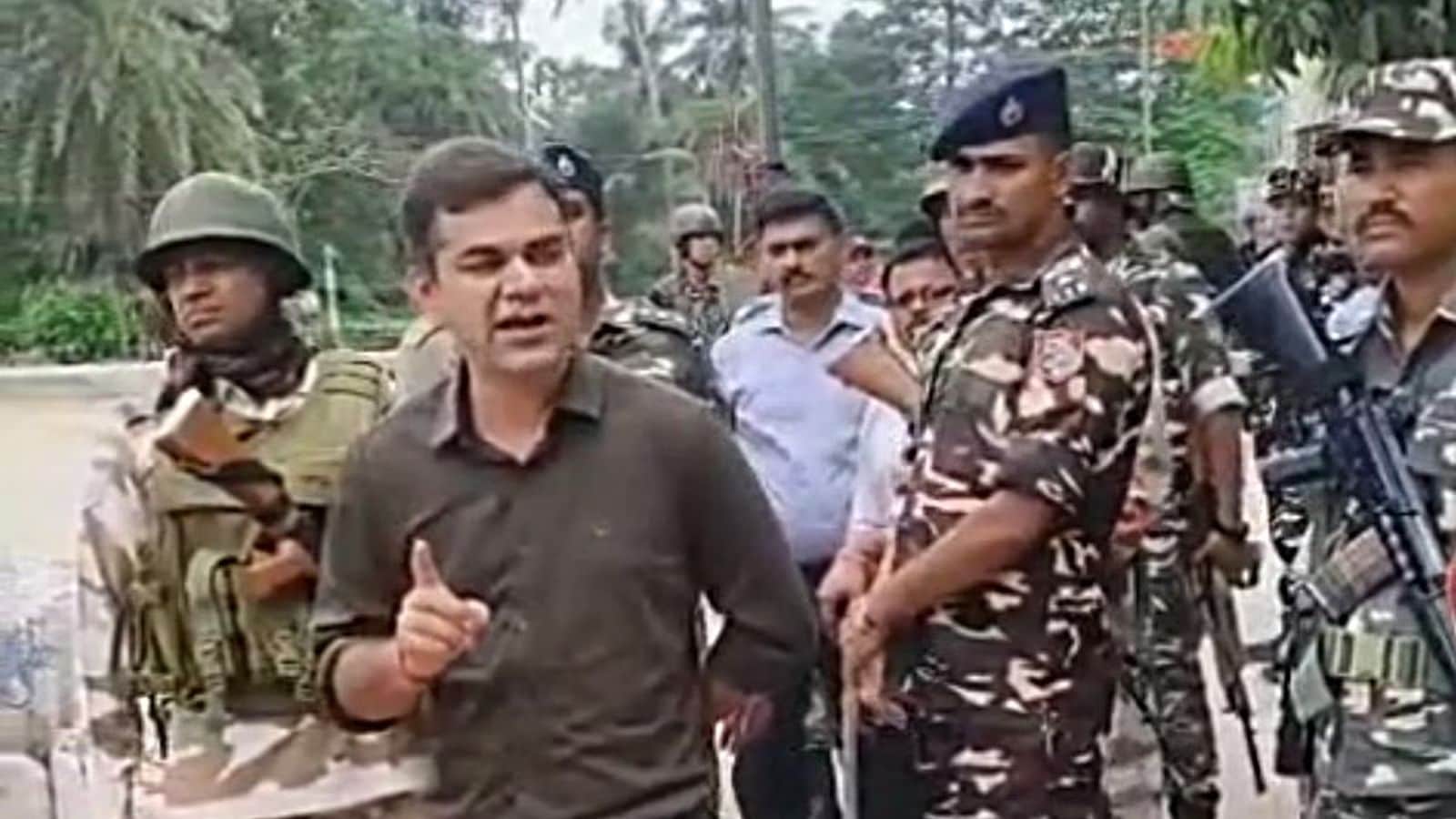
The Election Commission recently named Prashant Kumar, a senior Indian Police Service (IPS) officer from the Uttar Pradesh cadre, as a police observer for the upcoming polls in West Bengal. Shortly after the announcement, the TMC leadership raised objections. They argued that bringing in a high-ranking official from Uttar Pradesh might lead to a biased oversight of the local police and security forces. The party believes that the political climate in Uttar Pradesh is vastly different from West Bengal, making an officer from that region an unsuitable choice for this specific role.
Important Numbers and Facts
The dispute centers on Prashant Kumar, who has held significant positions in the Uttar Pradesh police department. In West Bengal, election observers play a critical role in managing thousands of polling booths and overseeing the deployment of central security forces. The Election Commission typically appoints hundreds of such observers from various states to ensure that no local influence affects the outcome of the vote. The TMC has requested the commission to reconsider this specific appointment to maintain the "sanctity" of the democratic process.
Background and Context
West Bengal has a long history of intense political competition, often accompanied by reports of violence during election cycles. To prevent local bias, the Election Commission of India uses a system where officers from one state are sent to another to act as "eyes and ears." These observers are supposed to be neutral and report directly to the commission rather than the state government. However, the relationship between the TMC and the central government has been strained for years. The TMC often views officials from BJP-led states like Uttar Pradesh with suspicion, fearing they may carry a political agenda that favors the opposition in Bengal.
Public or Industry Reaction
Political experts and rival parties have reacted quickly to the TMC's complaints. Leaders from the Bharatiya Janata Party (BJP) have dismissed the TMC's concerns, calling them an attempt to intimidate election officials. They argue that the TMC is worried about a fair election and is trying to find excuses before the voting even begins. Meanwhile, some civil society groups have called for transparency, suggesting that the Election Commission should clearly explain the criteria used for selecting observers to avoid such controversies. The commission itself has remained firm, stating that its selection process is based on merit and seniority, not political affiliation.
What This Means Going Forward
In the coming weeks, the focus will be on whether the Election Commission decides to keep Prashant Kumar in his role or replace him to avoid further conflict. If he stays, the TMC is likely to keep a very close watch on every decision he makes, which could lead to more formal complaints. This situation also sets a precedent for other states. If a party successfully blocks an observer based on their home state, it could change how the Election Commission plans for future elections across India. The goal remains to have a peaceful and fair voting environment, but these administrative battles make that goal harder to achieve.
Final Take
The dispute over the police observer shows how deeply political mistrust can affect the mechanics of an election. While the Election Commission aims for neutrality by bringing in outside officers, the political identity of those officers' home states has now become a point of contention. For a smooth election, it is vital that all parties trust the officials in charge. Without that trust, the results of the election may be questioned, leading to further instability in the region.
Frequently Asked Questions
Why does the Election Commission use observers from other states?
Observers are brought from different states to ensure they have no local political ties or personal interests. This helps them stay neutral and make fair decisions during the election process.
What is the specific role of a police observer?
A police observer monitors the security arrangements, ensures that the local police are acting fairly, and oversees the deployment of central paramilitary forces at polling stations.
Can a political party legally remove an election observer?
A political party cannot remove an observer directly. They can only file a formal complaint or request with the Election Commission, which then decides whether or not to change the appointment.



