
Summary
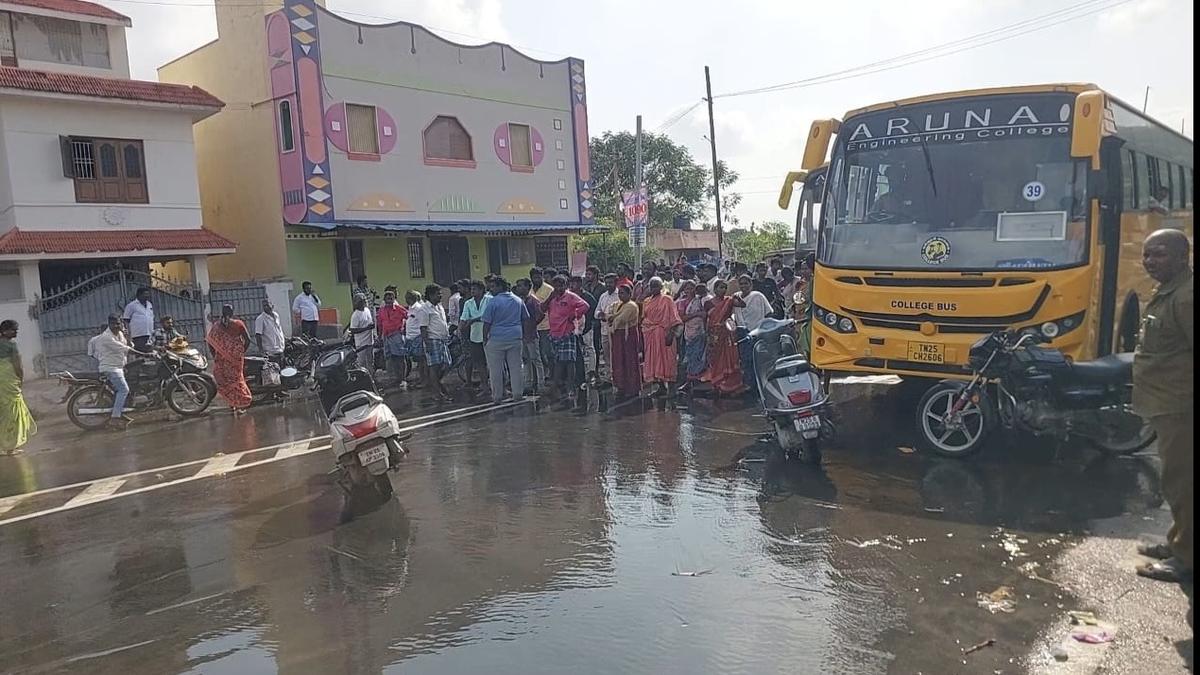
Residents living near the Tiruvannamalai Collectorate staged a road blockade to protest against persistent sewage seepage in their neighborhood. The protest was sparked by long-standing drainage issues that have caused dirty water to overflow onto public streets and into residential areas. This demonstration led to significant traffic delays and forced local officials to address the community's concerns regarding health and sanitation. The residents are demanding a permanent fix to the drainage system to prevent further environmental and health hazards.
Main Impact
The primary impact of this protest was the immediate disruption of daily life and transport near one of the city's most important administrative hubs. By blocking the road leading to the Collectorate, the residents ensured that their grievances could not be ignored by the district leadership. Beyond the traffic jams, the protest highlighted a growing crisis in urban infrastructure. For the people living in the affected area, the sewage overflow is not just an eyesore but a direct threat to their well-being, leading to fears of disease outbreaks and a decrease in the quality of life.
Key Details
What Happened
Early in the morning, a large group of residents gathered on the main road near the District Collector’s office. They used their physical presence to stop the flow of vehicles, including government buses and private cars. The protesters shouted slogans against the local municipal body, claiming that their repeated complaints about broken pipes and blocked drains had fallen on deaf ears. The situation remained tense for several hours as the crowd refused to move until a senior official arrived to give them a concrete timeline for repairs.
Important Numbers and Facts
The protest involved dozens of families from the nearby streets who have been dealing with sewage issues for several months. Traffic was held up for over two hours, affecting hundreds of commuters. Local reports suggest that the drainage pipes in this area are decades old and were never designed to handle the current population density. During the protest, police officers were deployed to manage the crowd and prevent any violence, while municipal engineers were eventually called to the site to inspect the damage.
Background and Context
Tiruvannamalai is a city that sees a high volume of visitors and rapid residential growth. However, the underground infrastructure, specifically the sewage and waste management systems, has not kept pace with this expansion. In many parts of the city, old pipes frequently burst or become clogged with plastic waste. When sewage seeps into the streets, it creates a breeding ground for mosquitoes and spreads foul odors. For the residents near the Collectorate, the problem became unbearable after recent light rains caused the drains to back up even further, pushing waste into the entrances of their homes.
Public or Industry Reaction
The reaction from the public has been one of shared frustration. Many people who were stuck in the traffic jam expressed sympathy for the protesters, noting that drainage problems are common across the city. On social media, local activists pointed out that while the city spends money on beautification projects, basic needs like clean streets and working toilets are often neglected. Government officials, on the other hand, urged the public not to block roads, stating that such actions hinder emergency services. They promised that a new project to upgrade the city's drainage network is in the planning stages, though residents remain skeptical of these claims.
What This Means Going Forward
This protest serves as a warning to local authorities that the public's patience is running thin. If the sewage seepage is not fixed permanently, more protests are likely to occur, potentially on a larger scale. The immediate next step for the municipality is to conduct emergency cleaning and repair of the blocked lines. In the long term, the city needs a complete overhaul of its waste management system. This includes installing larger pipes and ensuring that waste is treated properly before being discharged. Failure to act could lead to a serious public health crisis, especially as the warmer months approach and the risk of waterborne diseases increases.
Final Take
The road blockade in Tiruvannamalai is a clear sign that basic infrastructure is a top priority for citizens. While blocking a road causes temporary trouble for travelers, it is often the only way for neglected communities to get the attention of the government. For the residents, the fight is about more than just a broken pipe; it is about the right to live in a clean and safe environment. The government must now move beyond temporary fixes and invest in a modern drainage system that can support the city's future growth.
Frequently Asked Questions
Why did the residents block the road?
Residents blocked the road to protest against constant sewage leaks and overflows in their neighborhood that the local government had failed to fix despite many complaints.
Where exactly did the protest take place?
The protest happened on the main road near the Tiruvannamalai Collectorate, which is the central administrative office for the district.
What are the health risks of sewage seepage?
Sewage seepage can lead to the spread of diseases like cholera and typhoid. It also attracts mosquitoes, which can spread fever, and causes skin irritation for those who come into contact with the dirty water.



