
Summary
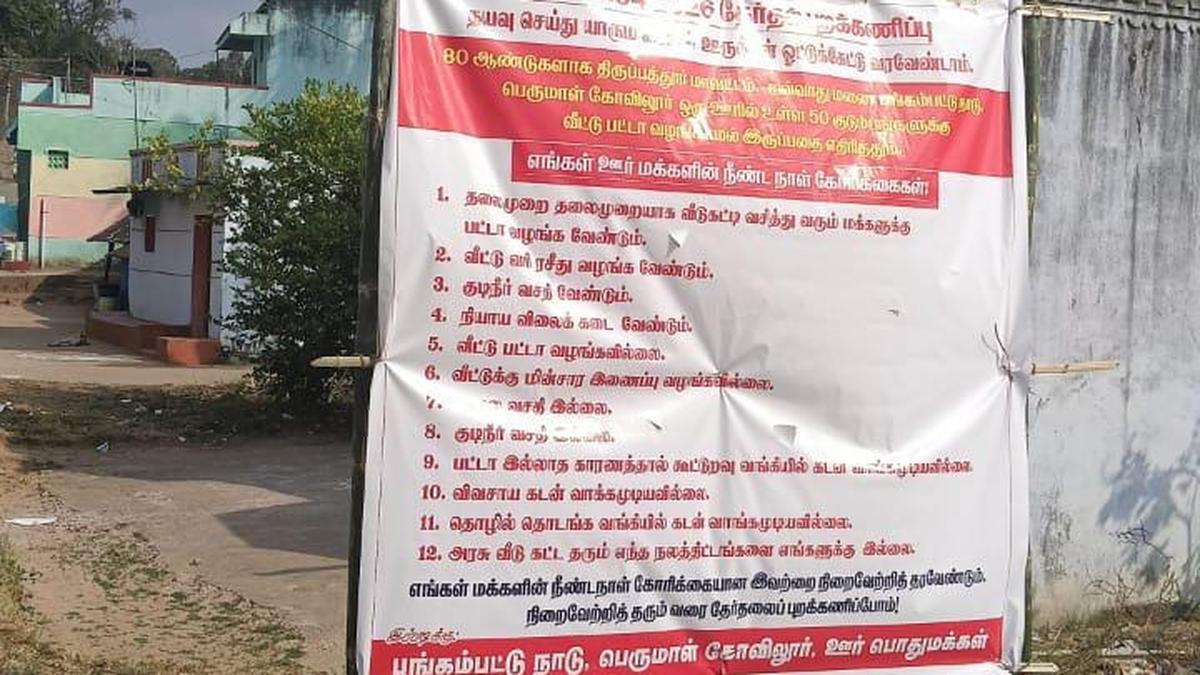
Tribal residents living near Tirupattur town have announced their intention to boycott the upcoming elections. The community is protesting against the long-term neglect of their basic infrastructure needs, specifically the lack of proper roads. They state that without functional roads, they are cut off from essential services like healthcare and public transport. This decision comes after years of unfulfilled promises from local authorities and political leaders.
Main Impact
The decision to stay away from the polling booths could significantly lower voter turnout in the Tirupattur region. This protest highlights a major gap in rural development where tribal communities feel ignored by the government. The lack of infrastructure does more than just make travel difficult; it creates a life-threatening situation for residents who cannot access emergency medical care. By refusing to vote, the villagers hope to force officials to take immediate action rather than offering more verbal assurances.
Key Details
What Happened
Residents from several tribal hamlets located in the hills near Tirupattur gathered to voice their frustrations. They explained that for decades, they have asked for a simple paved road to connect their villages to the main town. Because the paths are rocky and uneven, government buses refuse to operate in the area. This leaves the community isolated. After a recent meeting, the village elders and youth decided that "no road means no vote." They have started placing banners and informing local officials about their collective decision to skip the election process.
Important Numbers and Facts
The protest involves hundreds of families across multiple small settlements. Some residents have to trek over five to eight kilometers just to reach the nearest point where a vehicle can pick them up. In the last five years, several petitions were submitted to the district administration, but no budget was allocated for the road work. Local reports suggest that at least three different tribal habitations are joining this boycott, which could account for thousands of missing votes on election day.
Background and Context
In many parts of the country, tribal communities live in remote areas that are difficult to reach. While urban centers see constant growth, these hilly regions often fall behind. Roads are the most basic requirement for any form of progress. Without them, children cannot reach schools easily, and farmers cannot transport their crops to the market to earn a fair price. In Tirupattur, the situation has reached a breaking point because the lack of roads is now directly linked to a lack of safety and survival.
Public or Industry Reaction
The local community is firm in its stance. Many residents expressed that they feel like they are only important to politicians during the weeks leading up to an election. Once the voting is over, the leaders disappear, and the problems remain. Social activists in the region have supported the tribal groups, noting that the right to a road is a basic human right. On the other hand, district officials have reportedly reached out to the village heads, asking them to reconsider the boycott and promising that the road projects will be looked into after the election cycle.
What This Means Going Forward
If the government does not provide a written guarantee or begin visible work, the boycott is likely to proceed. This puts pressure on the district administration to find emergency funds or fast-track approvals. For the residents, this is a final attempt to get the help they need. If the protest succeeds in getting a road built, it may inspire other neglected communities to use their voting power as a tool for negotiation. However, if the boycott happens and nothing changes, it could lead to a deeper sense of distrust between the tribal population and the government.
Final Take
The situation in Tirupattur is a clear reminder that democracy feels incomplete to those who lack basic survival tools like roads and healthcare. When a community chooses to give up its right to vote, it is a sign of deep desperation. The government must move beyond temporary promises and provide real, physical improvements to ensure these citizens feel included in the nation's progress. Only by fixing the roads can the authorities hope to fix the broken trust with the tribal people.
Frequently Asked Questions
Why are the tribal residents boycotting the election?
They are boycotting because their villages lack basic facilities, especially proper roads. This makes it impossible for buses and ambulances to reach them, leaving them isolated from healthcare and education.
How does the lack of roads affect their daily lives?
Without roads, residents must carry sick people by hand or on makeshift stretchers to reach a hospital. It also prevents children from attending school regularly and makes it hard for farmers to sell their goods.
Has the government responded to their demands?
While officials have asked the residents to vote and promised to look into the matter, the community says they have heard these promises before and will not vote until they see real progress on the road construction.



